 SAPPHIRE BANK
Royal Blue Sapphire
Only ~5% of sapphires qualify for GRS royal blue — the most commercially significant colour designation in the sapphire market. GRS, Gübelin, and SSEF award it only to stones where hue, tone, and saturation simultaneously meet the highest standard. Unheated royal blue commands a 3–8× premium over equivalent heated stones of the same visual quality.
What Is Royal Blue?
The Colour Grade
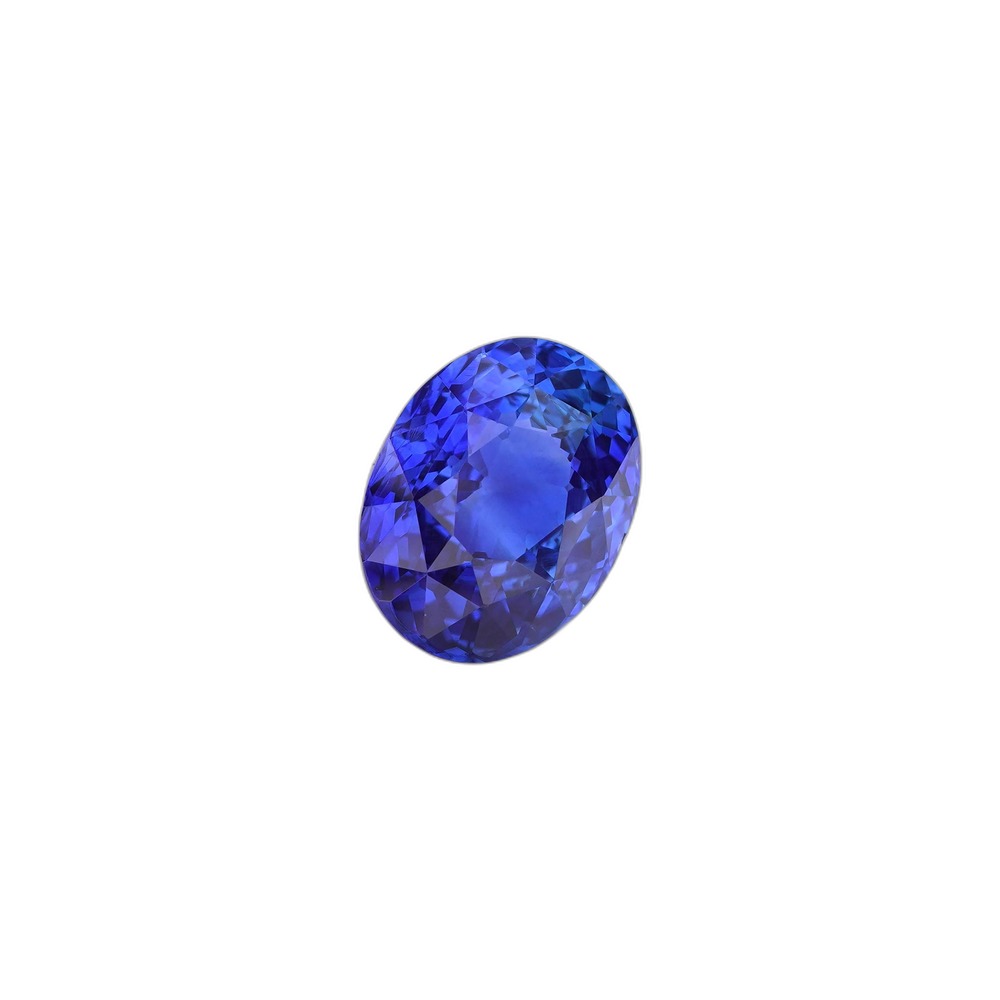
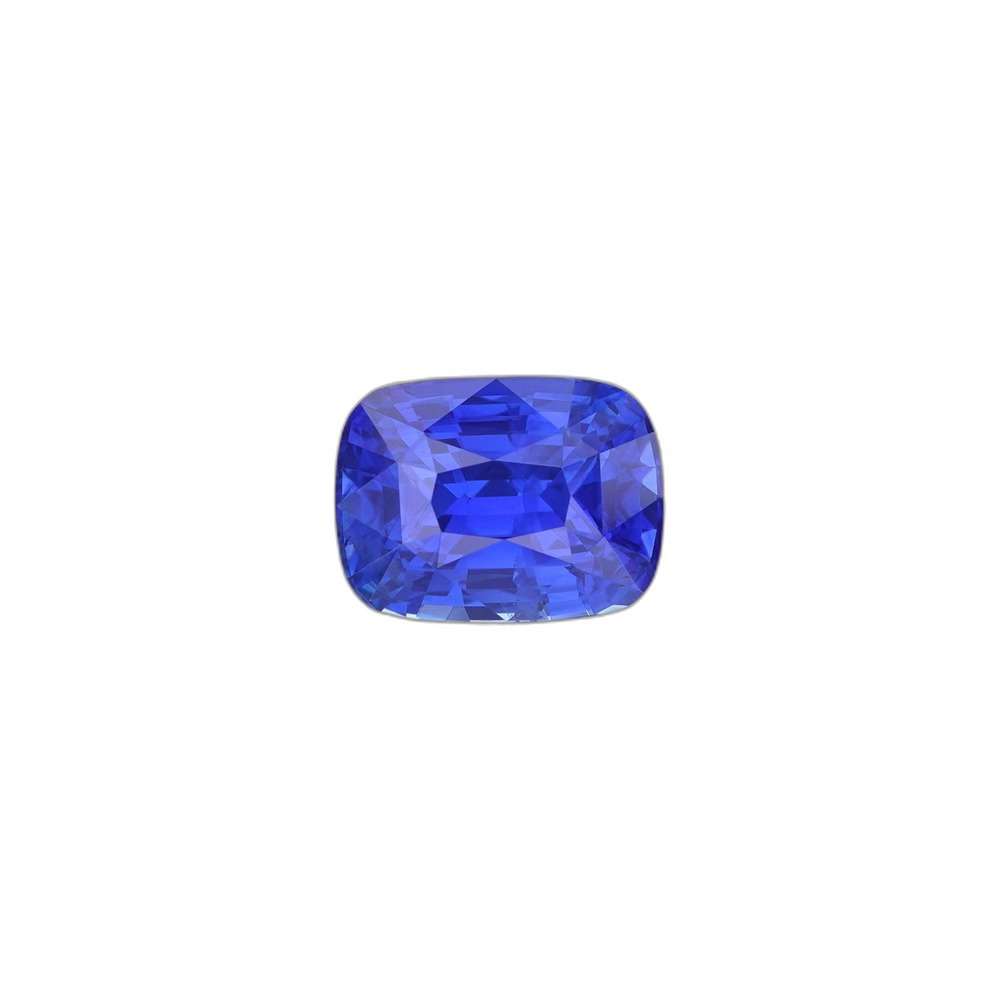
Royal blue is GRS's proprietary colour designation for sapphires where hue, tone, and saturation simultaneously achieve the highest grade. Assessors compare the stone against GRS colour reference swatches under D65 standard daylight illumination — all three dimensions must match simultaneously. The designation appears on the GRS certificate under "Colour" and is the benchmark auction houses and buyers use to set prices.
Royal Blue vs. Cornflower Blue
Cornflower blue — primarily a Ceylon designation — sits a step below royal blue in tone depth. It is brighter, lighter, and more transparent in appearance. Royal blue is deeper and richer — the blue you associate with fine sapphire jewellery photographs. Kashmir sapphires are typically graded royal blue in colour, but their defining velvety appearance places them in an entirely different investment category above Ceylon royal blue.
The Unheated Premium
Heat treatment can shift a cornflower blue stone into royal blue territory — which is precisely why the no-heat premium exists. An unheated royal blue sapphire proves its colour was achieved entirely naturally, without optimisation. The market rewards this with a 3–8× premium over visually identical heated stones. "No indications of heating" on the certificate is the defining qualifier.
Lab Standards
GRS, Gübelin, and SSEF are all accepted by Sotheby's, Christie's, and Bonhams for major auction lots. GIA does not use "Royal Blue" as a standard colour descriptor — their terminology differs. For sapphires intended for auction or resale in Asian markets, prioritise GRS, Gübelin, or SSEF — the royal blue designation carries the most market weight in Asia.
Why Royal Blue Sapphires
The GRS "Royal Blue" designation places a sapphire in a separate pricing tier. Visually equivalent heated stones typically trade at 15–30% of royal blue prices. The colour certification itself is a value event.
Only ~5% of Ceylon sapphires submitted for grading receive the royal blue designation. Among unheated stones, the percentage is lower still — heating can shift cornflower blue into royal blue territory, making natural royal blue colour genuinely rare.
Chinese, Singaporean, and Hong Kong buyers specifically seek GRS royal blue certification. As the Asian high-net-worth buyer pool expands, structural demand for certified stones continues to grow against a supply that cannot increase.
Royal blue sapphires are a standing auction house category with documented price history. Unlike most alternative assets, there is a transparent price discovery mechanism — the stone's true value is on record.
Auction data for top unheated Ceylon royal blue shows compound annual growth of approximately 8–12% over three decades. Kashmir material, with permanently exhausted supply, has appreciated substantially more.
The Sapphire Bank offers a 12-month buyback guarantee at 80% of purchase price on any stone in our collection — giving your sapphire investment a defined liquidity exit.
The Royal Blue Spectrum
Approaches royal blue standard with slightly lighter tone or lower saturation. Strong value proposition for budget-conscious buyers.
GRS-certified royal blue — hue, saturation, and tone all simultaneously at grade. The primary investment tier.
Extremely deep tone approaching the velvety Kashmir quality. Typical of larger Burma and Kashmir stones.
2026 Price Reference
GRS-certified royal blue sapphires, reference prices per stone, unheated
Ceylon origin, GRS royal blue, unheated. Entry-level investment tier.
Ceylon or Burma, GRS royal blue, unheated. Most liquid market tier.
Ceylon, top clarity, GRS royal blue, unheated. Auction-grade stones.
Trophy material, Sotheby's / Christie's grade. Kashmir origin can exceed $200,000/ct.
* Prices vary significantly by clarity, cut, and origin. Heated royal blue trades at approximately 15–30% of unheated equivalent.
Royal Blue by Origin
1 Available Now
Further Reading
How labs grade royal blue, what to check when buying, and the investment case.
Royal blue vs. cornflower blue vs. Kashmir — the full colour grade comparison.
Selection criteria, what to pay, and how to evaluate the investment case.