 SAPPHIRE BANK
RELATED GUIDES
WHY UNHEATED SAPPHIRES COMMAND A PREMIUM
In a market where 90-95% of sapphires are heat-treated, finding a stone with exceptional natural color is increasingly rare. This rarity — combined with collector demand — drives significant premiums for unheated stones.
WHAT IS HEAT TREATMENT?
Heat treatment involves heating sapphires to high temperatures (1,400-1,900°C) to improve their color and clarity. This process:
- Dissolves silk (rutile inclusions) to improve clarity
- Intensifies or modifies color
- Removes unwanted color zones
- Can turn pale stones into vivid ones
Heat treatment is permanent and stable. It's been practiced for centuries and is accepted by the trade. However, it fundamentally changes the stone from its natural state.
For a deeper dive on treatments, see our guide on heated vs unheated gemstones.
WHY UNHEATED SAPPHIRES ARE RARE
Nature rarely produces sapphires with ideal color straight from the ground. Most rough sapphires have:
- Color that's too light, too dark, or unevenly distributed
- Silk that creates haziness
- Secondary color tones (green in blue sapphires, brown in pink)
Heat treatment can fix these issues, so the vast majority of rough is treated. Only the finest 5-10% of sapphires emerge from the earth with color and clarity good enough to sell without enhancement.
This natural scarcity — combined with increasing demand from collectors who value "as nature made it" — creates the premium.
UNHEATED PREMIUMS BY ORIGIN
The premium for unheated varies significantly by origin:
Note: Premiums vary based on quality, size, and market conditions. Exceptional stones can command even higher premiums.
HOW TO VERIFY A SAPPHIRE IS UNHEATED
You cannot determine heat treatment by looking at a stone. Lab certification is essential.
Gemological labs examine internal features under magnification and spectroscopy:
- Intact silk: Rutile needles that would dissolve with heating
- Natural inclusions: Certain inclusions change or disappear with heat
- Spectroscopic signatures: Heat alters the chemical structure in detectable ways
Trusted labs for unheated verification include GRS, Gübelin, SSEF, GIA, and similar accredited institutions. The certificate should explicitly state "No indication of thermal treatment" or "No heat."
Learn more about reading gemstone certificates.
INVESTMENT VALUE OF UNHEATED SAPPHIRES
For investment purposes, unheated sapphires offer several advantages:
- Increasing scarcity: As deposits deplete, unheated stones become proportionally rarer
- Collector demand: Sophisticated buyers increasingly prefer "natural" stones
- Auction performance: Unheated stones consistently outperform heated equivalents at major auctions
- Future-proofing: Treatment preferences may shift; natural is always natural
Historical data shows unheated sapphire premiums have increased over time as awareness grows and supply diminishes.
WHEN HEATED SAPPHIRES MAKE SENSE
Unheated isn't always the right choice:
- Budget constraints: A beautiful heated sapphire may be preferable to a mediocre unheated one at the same price
- Jewelry use: If you're buying for a ring you'll wear daily, visual beauty matters more than treatment status
- Specific colors: Some colors (like vivid yellow) are extremely rare unheated
Heat treatment is accepted, permanent, and doesn't diminish a stone's beauty. The premium for unheated reflects rarity and collector preference, not necessarily superior appearance.
UNHEATED RUBIES: EVEN RARER
Everything above applies to rubies as well — with even higher premiums. Fine unheated Burmese rubies with "pigeon blood" color are among the rarest gemstones on Earth.
Unheated ruby premiums can reach 100-200% over heated equivalents for top-quality stones. At auction, the world's most valuable rubies are invariably unheated.
See our Ruby Buying Guide for more on ruby treatments and value.
EXPLORE UNHEATED SAPPHIRES
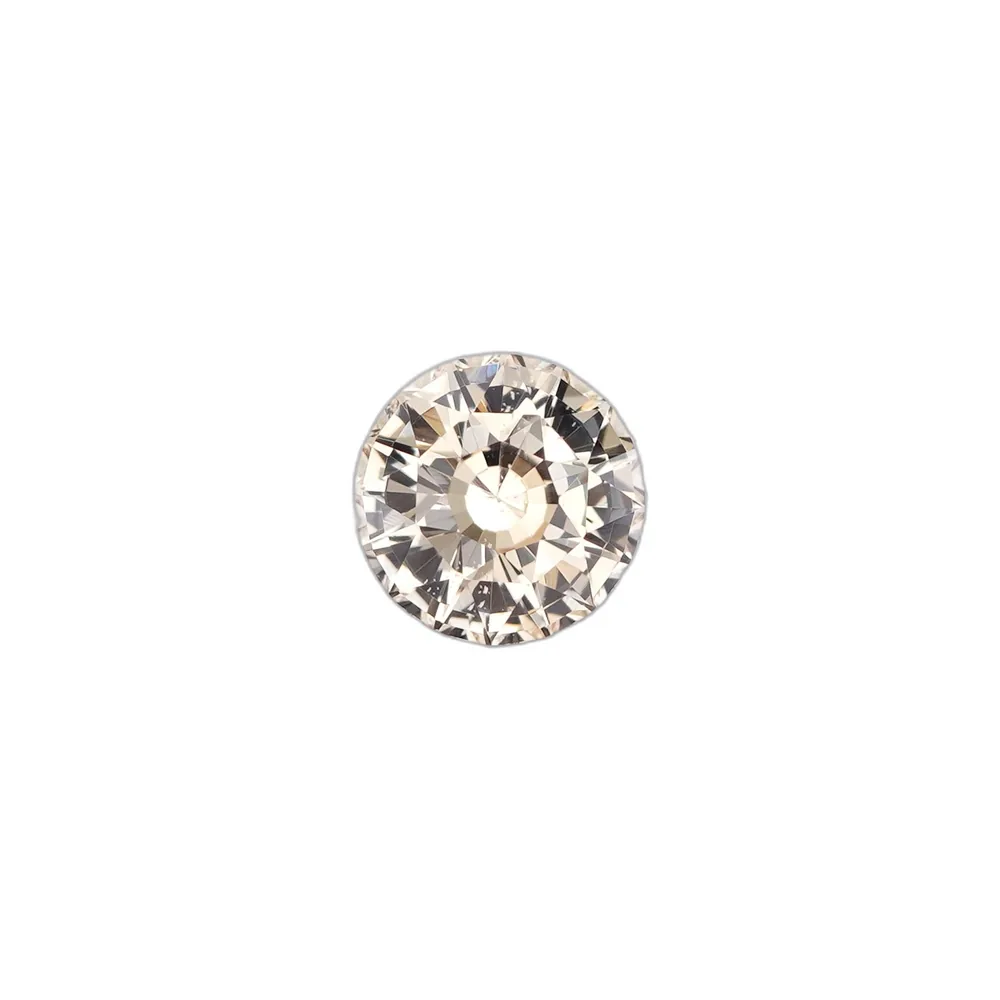
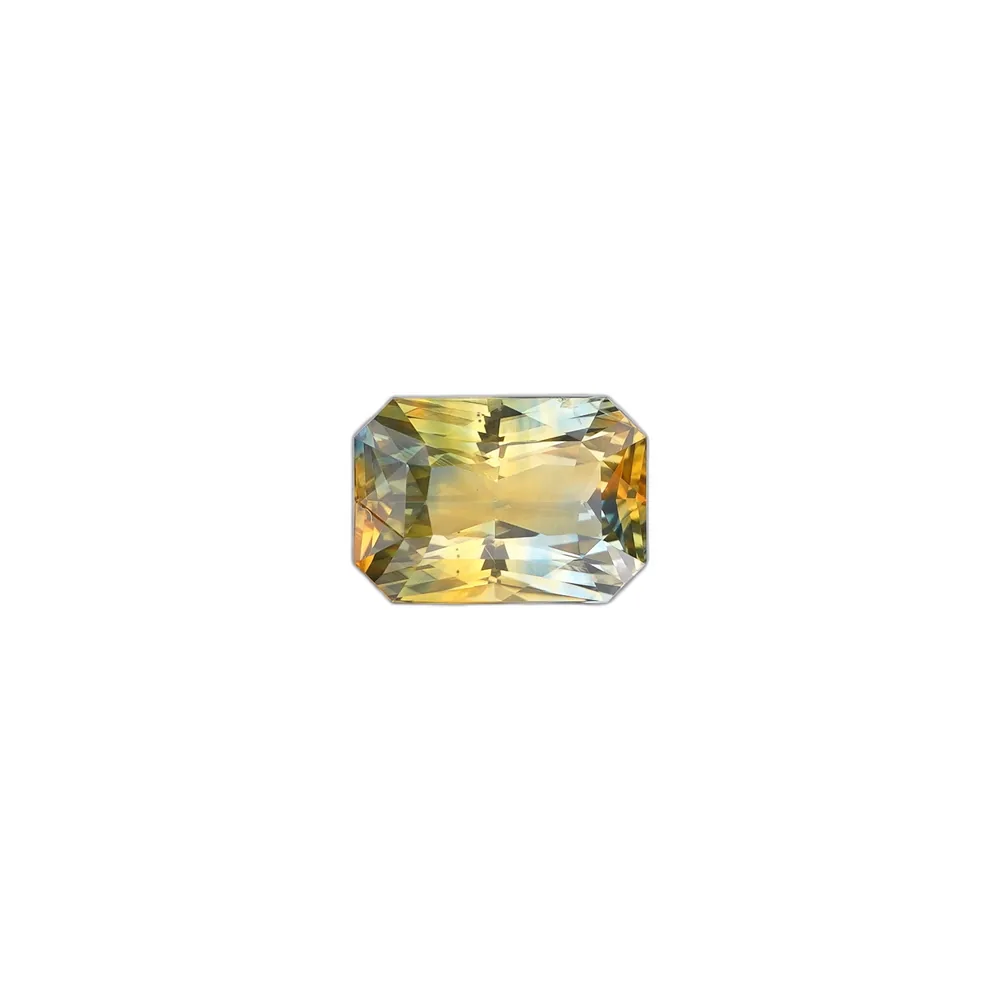
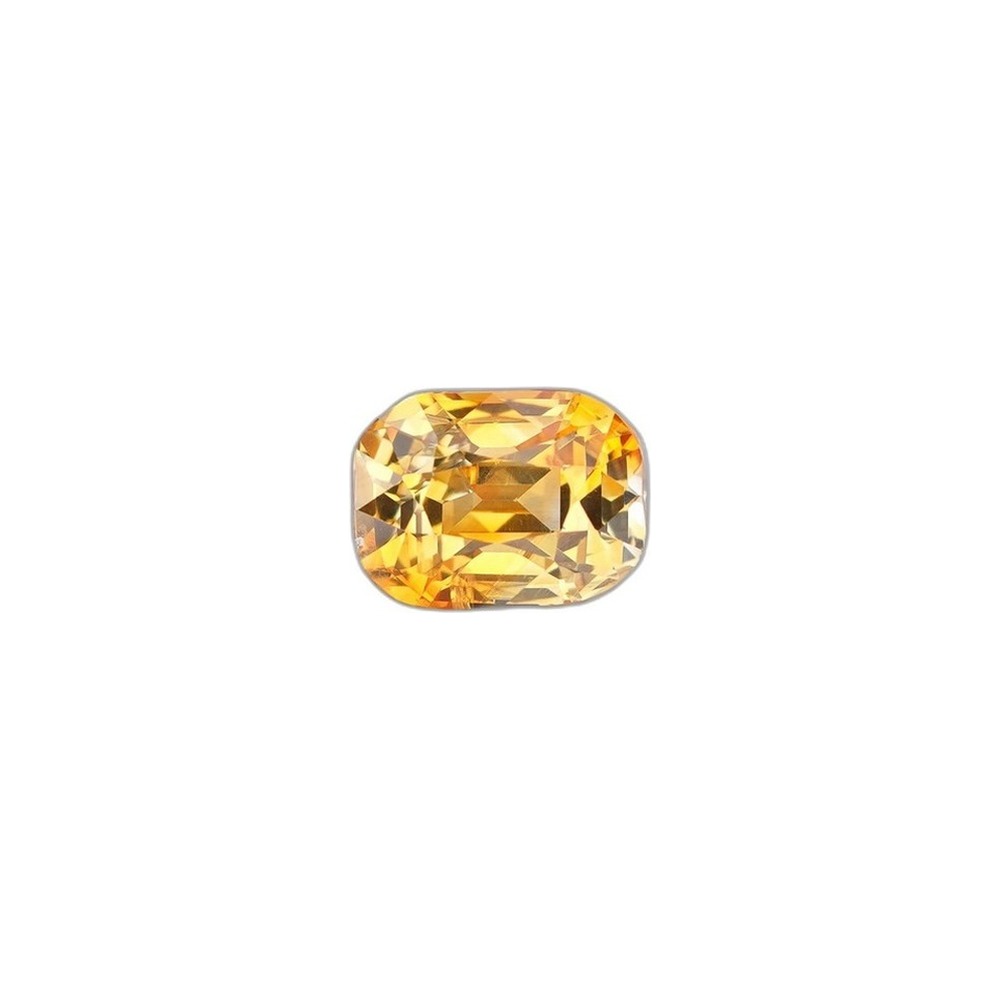
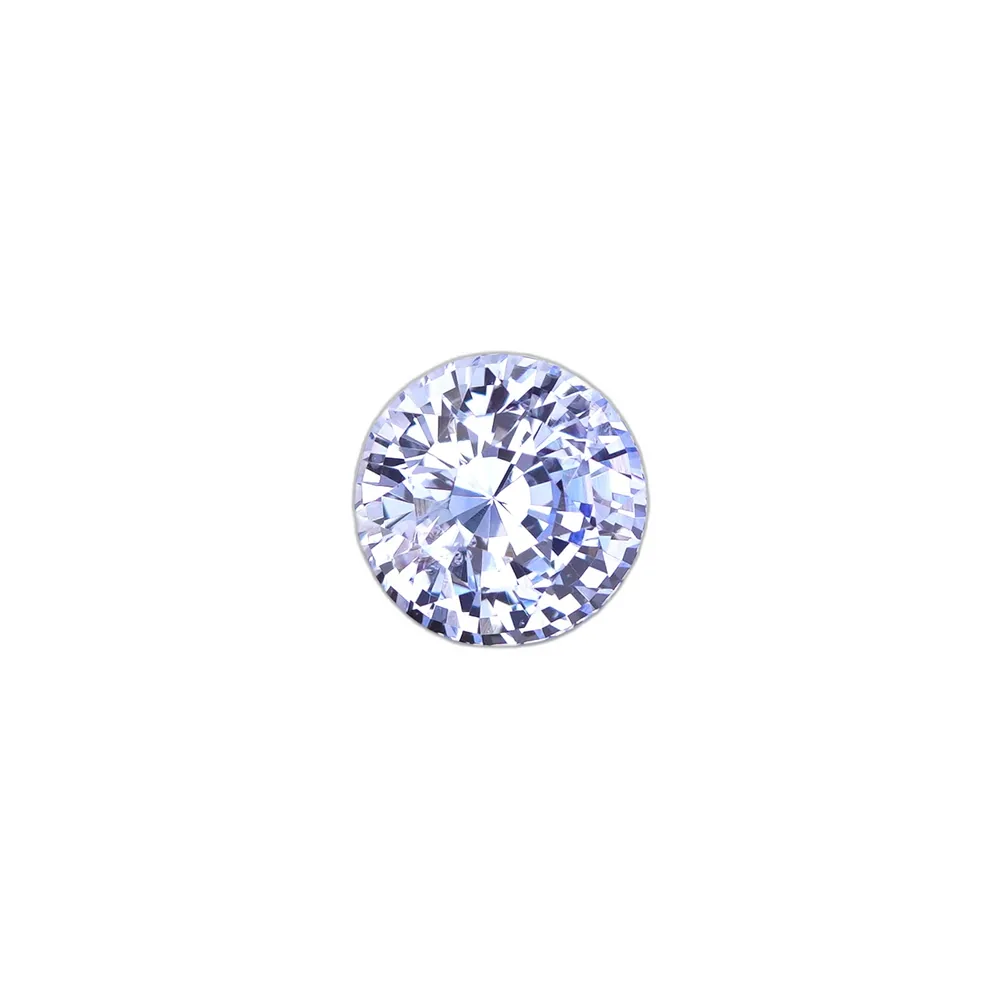
Our collection features unheated sapphires from premier origins. Independent lab certification verifying treatment status is arranged on request at purchase.
FREQUENTLY ASKED QUESTIONS
How much more does an unheated sapphire cost?
Unheated sapphires typically command 2–5x the price of equivalent heated material. A heated cornflower blue Ceylon sapphire might sell for $3,000 per carat; an unheated equivalent with GRS no-heat certification could reach $10,000–$18,000 per carat. The premium grows with size and quality.
Why do unheated sapphires cost more?
Roughly 95% of all sapphires sold commercially are heat treated to improve color and clarity. The 5% that achieve their color naturally are genuinely scarce. Unheated status is permanent, verifiable by top laboratories, and cannot be replicated — which is the foundation of the premium.
Has the unheated premium always existed?
No. It became significant in the 1980s as laboratory technology (spectroscopy, microscopy) improved enough to reliably detect heat treatment. Before then, treatment status was unverifiable. As GRS and Guebelin developed precise methods, buyers began paying for confirmed natural color, and the premium has grown steadily since.
Does the unheated premium hold at resale?
Yes — and it tends to strengthen over time. Auction houses explicitly advertise unheated status and consistently achieve higher hammer prices for certified no-heat stones. The premium is recognized globally, from Sotheby's Geneva to Asian private sales, providing liquidity support across markets.