 SAPPHIRE BANK
KASHMIR SAPPHIRE PRICE PER CARAT
No sapphire commands higher prices than Kashmir. A fine, unheated Kashmir sapphire with a credible origin certificate can sell for $50,000 to $200,000 per carat at auction — multiples above the finest Ceylon or Burma stones. Understanding why requires understanding what Kashmir means geologically, historically, and aesthetically.
WHY KASHMIR SAPPHIRES ARE IN A CLASS OF THEIR OWN
Kashmir sapphires come from a single remote deposit in the Zanskar Range of the Himalayas, at elevations above 5,000 meters. The deposit was discovered in 1881 and produced its most significant output between roughly 1882 and 1887. By the early 1900s, the primary deposit was essentially exhausted. There has been no meaningful commercial production since.
This geological fact — a deposit that produced intensely fine sapphires for a period of approximately five to fifteen years and then effectively stopped — is the foundation of Kashmir's value. Every Kashmir sapphire in existence today was mined over a century ago. Supply is permanently fixed. No new Kashmir sapphires are entering the market.
The color produced by the Kashmir deposit is unlike that of any other origin. Gemologists describe it as "velvety" — a deep, saturated blue that appears to glow with an internal light rather than reflecting surface brilliance. This quality is attributed to the unique combination of iron and titanium impurities alongside a high concentration of microscopic silk inclusions that scatter light internally, softening the stone's appearance and giving it an almost milky, luminous depth.
GRS describes the finest Kashmir color as "royal blue" — the same term used for top Ceylon and Burma stones — but veteran gemologists and collectors recognize Kashmir's specific quality as distinct: a blue that is simultaneously deeper and softer than other origins achieve.
PRICE RANGES BY QUALITY
Kashmir sapphire prices span an enormous range depending on color quality, clarity, heat treatment status, carat weight, and certification. The following table reflects auction and private market data:
These ranges are approximations. The colored stone market is not publicly traded, and prices fluctuate based on demand cycles, major auction results, and broader economic conditions. A single exceptional Kashmir stone sold at Sotheby's can reset price expectations across the category.
NOTABLE AUCTION RECORDS
Kashmir sapphires have produced some of the highest per-carat prices ever recorded for colored gemstones at auction:
The “Blue Belle of Asia” — a 392.52-carat Kashmir sapphire — sold at Christie's Geneva in 2014 for approximately $17.3 million, establishing a world record at the time for a sapphire at auction.
More instructive for investors are smaller stones. A 10-carat unheated Kashmir sapphire with GRS “royal blue” certification regularly achieves $80,000–$120,000 per carat at major houses. Stones in the 3–5 carat range with ideal color and no-heat certification frequently sell for $40,000–$80,000 per carat.
The trend since 2010 has been consistent price appreciation at the top of the Kashmir market. As high-net-worth buyers from Asia — particularly China and Singapore — have entered the colored stone market, demand for the finest Kashmir material has grown while supply remains permanently constrained.
KASHMIR SAPPHIRE PRICE BY CARAT WEIGHT (2026)
Price per carat escalates sharply with size in the Kashmir category. Larger stones are disproportionately rare — a 5-carat unheated Kashmir is not simply five times a 1-carat stone; it commands a per-carat multiple that reflects the exponentially lower probability of a gem-quality stone existing at that size. The table below reflects 2026 private market and auction data for unheated, GRS-certified Kashmir sapphires with royal blue color:
A 1-carat Kashmir sapphire with GRS certification and royal blue color is already a rare find; the supply of clean, unheated 1-carat Kashmirs reaching the market in any given year is extremely limited. For buyers entering the category, 1–2 carat stones represent the most accessible entry point while still capturing Kashmir's fundamental scarcity premium. Heated stones at each weight bracket typically price 50–70% below the unheated equivalents shown above.
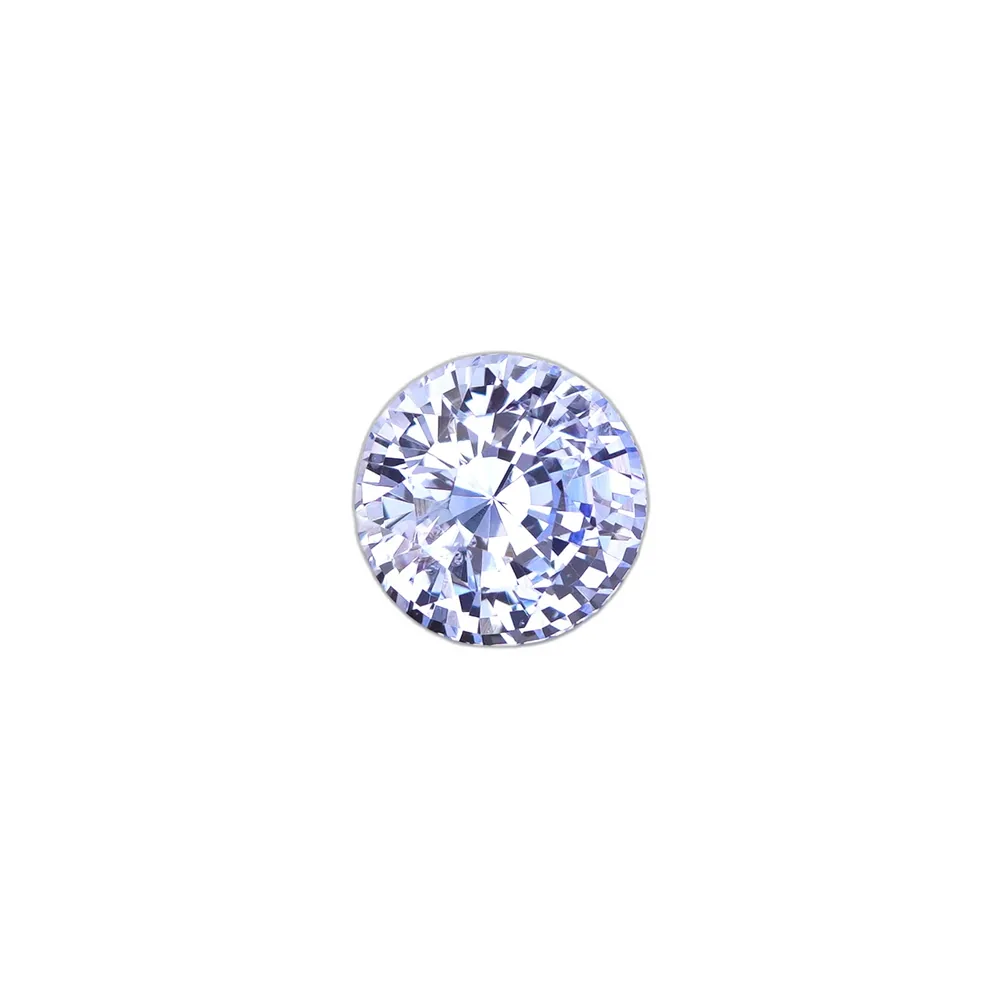
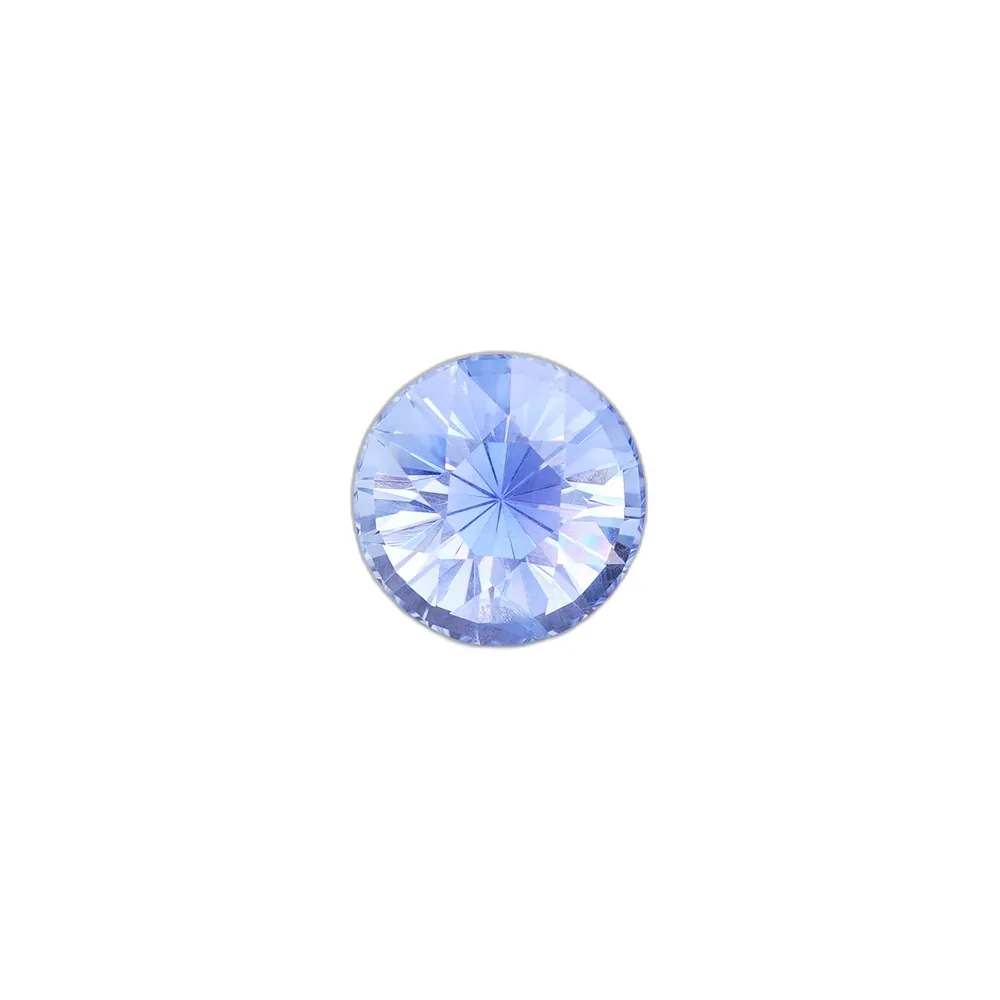
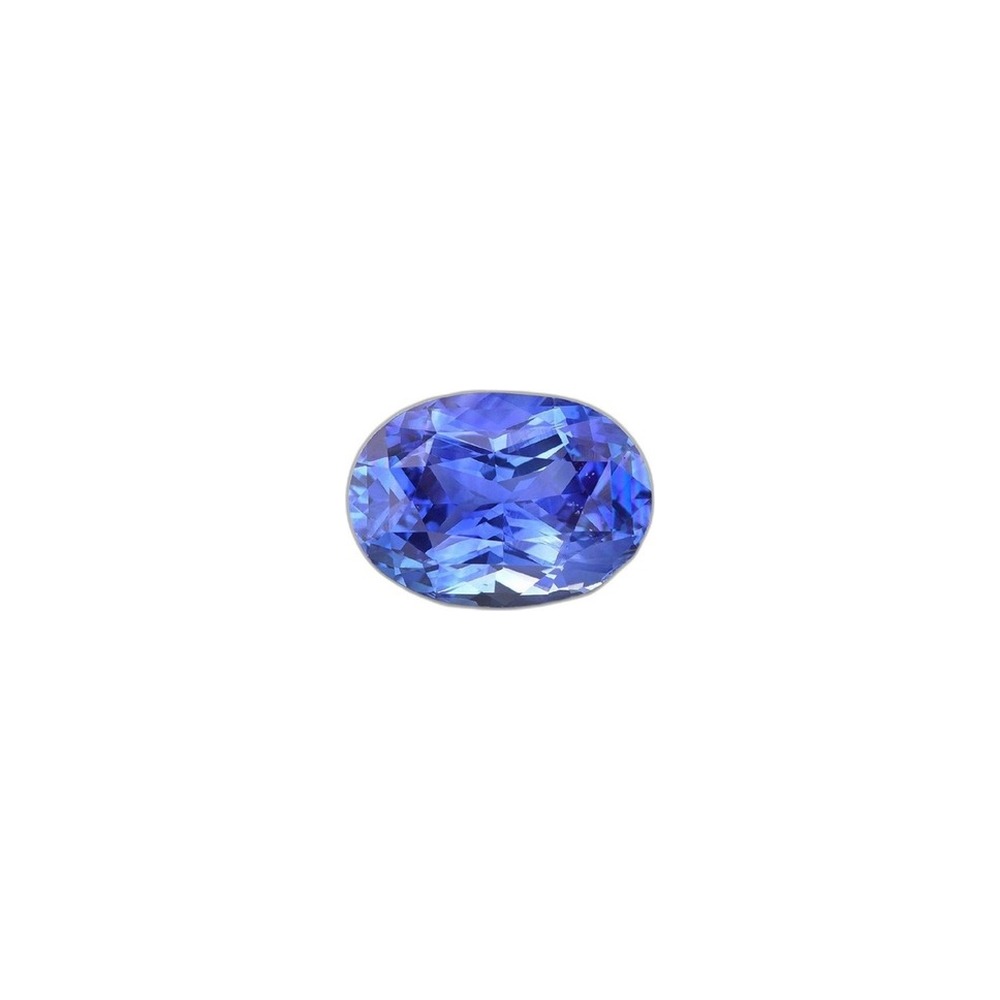
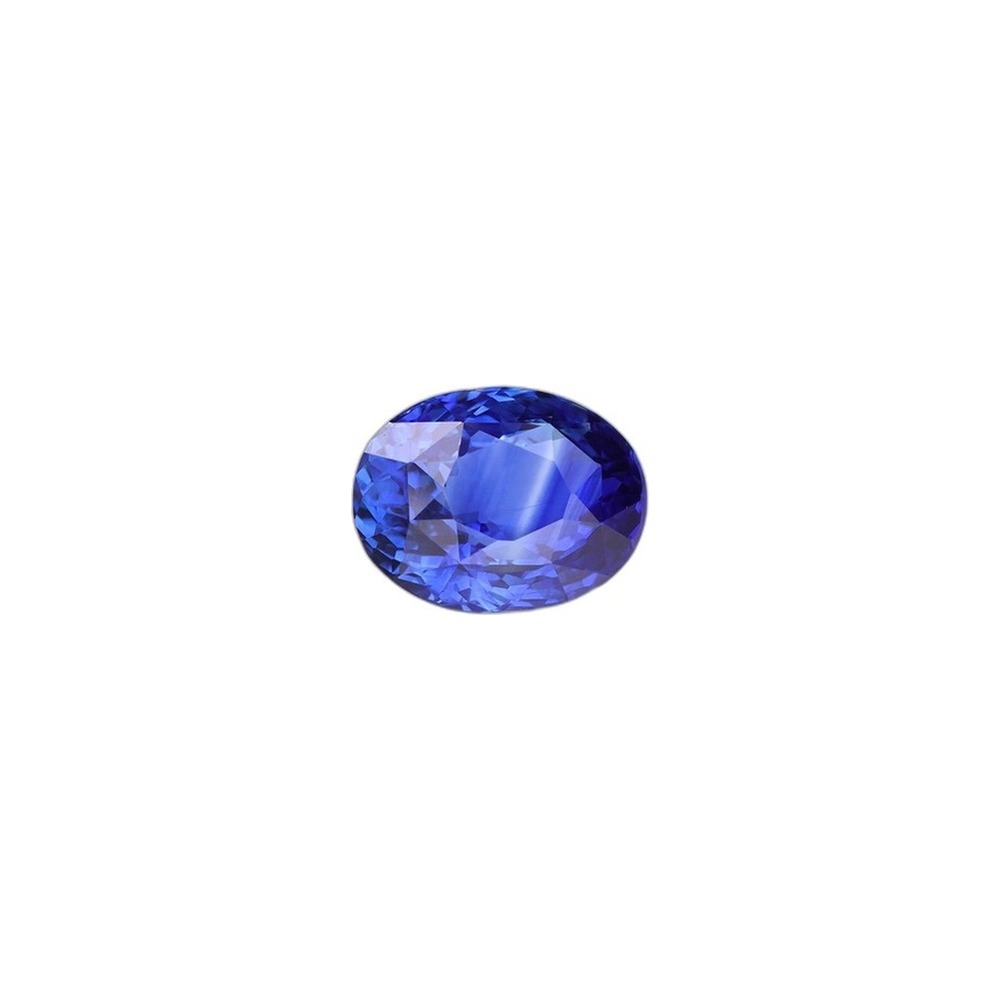
What we hold: we carry no Kashmir material — it is sourced to order through bespoke sourcing. The vault itself is Ceylon: 15 stones available today, 1.53 to 7.36 carats, running $112 to $1,239 per carat, treatment disclosed on every stone and certification arranged on request. The largest is SPH-004 Oval Blue · 7.36ct · $6,250 at $849 per carat; the highest per-carat stone in the vault is SPH-005 Cornflower Blue · 5.55ct · $6,875. See the full group: Ceylon Sapphires.
THE HEAT TREATMENT PREMIUM
Heat treatment status is perhaps the most important value driver after the Kashmir origin itself. An unheated Kashmir sapphire can be worth 3–5× more than an equivalent heated stone from the same origin.
The reasoning is straightforward: Kashmir sapphires are already extraordinarily rare. An unheated Kashmir sapphire represents a stone that achieved its remarkable color through natural geological processes alone — an even rarer natural phenomenon. The “no indications of heating” conclusion from GRS or Gübelin for a Kashmir stone is among the most valuable conclusions a gemstone certificate can carry.
GRS VS GÜBELIN FOR KASHMIR
For Kashmir sapphires specifically, both GRS (Gem Research Swisslab) and Gübelin Gem Lab are considered the premier certifying authorities. Their origin determinations for Kashmir carry equal weight at major auction houses, and the top stones typically carry certificates from both labs simultaneously.
For any Kashmir stone above $20,000 in value, obtaining both a GRS and Gübelin certificate is standard practice. The combined certification provides maximum buyer confidence and eliminates the possibility that a sophisticated buyer will reject the origin conclusion on the basis of having only a single lab opinion.
WHAT TO LOOK FOR WHEN BUYING
Given the extraordinary prices Kashmir sapphires command, the risk of misrepresentation is significant. Here is what a serious buyer must verify:
Certification is non-negotiable. No Kashmir sapphire should change hands at premium prices without at minimum a GRS or Gübelin origin determination explicitly stating “Kashmir” origin.
Verify the certificate directly. Both GRS and Gübelin provide online verification systems where you can confirm a certificate number is authentic and matches the stone description.
Color is primary. The Kashmir velvety blue is immediately recognizable to experienced eyes — but rely on the certificate if you are new to the category.
Inclusions are expected. Many Kashmir sapphires carry characteristic silk inclusions that create the velvety effect. A Kashmir sapphire that is too clean may actually be suspicious.
Size commands a premium. Kashmir sapphires above 5 carats with top color and certification are extremely rare. The per-carat price escalates sharply with size in this category.
THE INVESTMENT CASE
Kashmir sapphires represent one of the clearest investment theses in the colored stone world: permanently fixed supply, growing global demand, and prices denominated in hard currency with a track record of appreciation across decades.
The supply constraint is absolute — unlike many other gemstone origins where new deposits are periodically discovered, Kashmir's geological window is closed. Every Kashmir sapphire that exists today was mined before 1900.
The risk is liquidity: Kashmir sapphires are not liquid assets. Exiting a position requires either auction house consignment (which takes 3–6 months and carries 15–25% seller's commission) or private sale through specialist dealers.
FREQUENTLY ASKED QUESTIONS
How much does a Kashmir sapphire cost per carat?
Fine, unheated Kashmir sapphires with GRS certification typically sell for $50,000–$200,000+ per carat. Commercial-quality Kashmir material may trade at $10,000–$30,000 per carat depending on color and size.
Why are Kashmir sapphires so expensive?
The deposit was mined between roughly 1880 and 1900 and is now inaccessible. Every Kashmir sapphire in existence today was mined over 100 years ago — supply is permanently fixed while demand grows.
How can I tell if a sapphire is from Kashmir?
Only a top gemological laboratory can confirm Kashmir origin — specifically GRS, Gübelin, or SSEF. Never pay a Kashmir premium without a current certificate explicitly stating Kashmir origin.
Are Kashmir sapphires a good investment?
They have appreciated 10–15% annually historically, but are illiquid — exiting takes 3–6 months via auction or private sale. They suit patient capital with a 10+ year horizon.
How much does a 1 carat Kashmir sapphire cost?
A 1-carat unheated Kashmir sapphire with GRS or Gübelin certification and royal blue color typically sells for $25,000–$60,000 depending on color saturation, clarity, and certification. Heated 1-carat Kashmirs with good color generally trade at $8,000–$20,000. Even at the entry level, Kashmir commands a 5–10× premium over equivalent Ceylon stones of the same weight.
How much does a 30-carat Kashmir sapphire cost?
A 30-carat all-natural Kashmir sapphire with top color and GRS or Gübelin no-heat certification is extraordinarily rare and typically sells for $3M–$8M+ at auction. Per-carat prices rise steeply above 10 carats due to the rarity of large stones combining fine color with minimal inclusions. At 30 carats, expect roughly $120,000–$280,000 per carat for top-grade material — meaning a total stone value of $3.6M–$8.4M+. Stones of this calibre are collection-grade and appear rarely even at Sotheby's or Christie's.
Is it possible to buy a Kashmir sapphire under $10,000?
It is very rare. Sub-$10,000 Kashmir stones exist but typically involve significant inclusions, very pale color, or small sizes (under 0.5 carat). Certificates for stones in this range may also be from less authoritative labs. If a "Kashmir" sapphire is offered for under $10,000 with a weight above 0.5 carat, treat the origin claim with skepticism.
RELATED GUIDES
SOURCED TO ORDER
Looking for Kashmir sapphires?
We don't hold Kashmir sapphires in the vault — the collection is Ceylon. But sourcing is what we do: tell us the colour, size and budget you're after and we'll go and find it, with the same 14-day return and 12-month buyback as anything on the shelf.