 SAPPHIRE BANK
CORNFLOWER BLUE SAPPHIRE
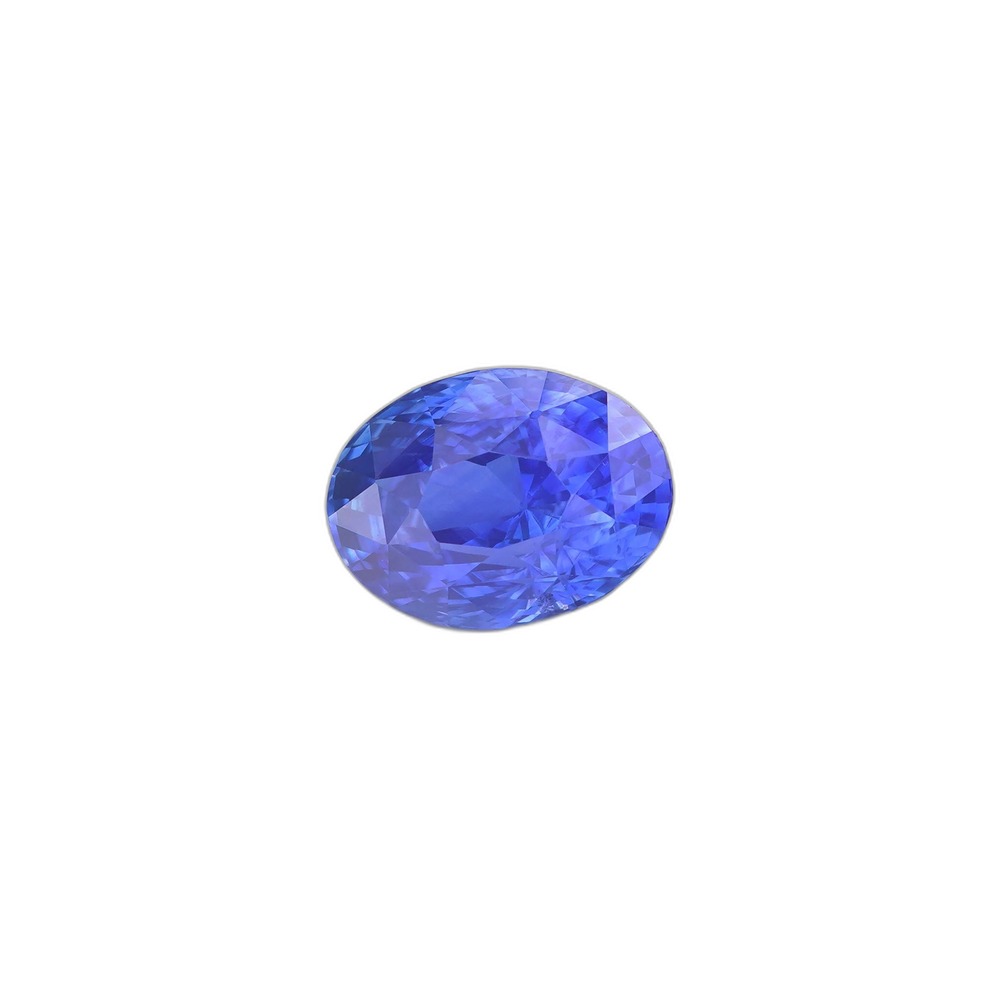
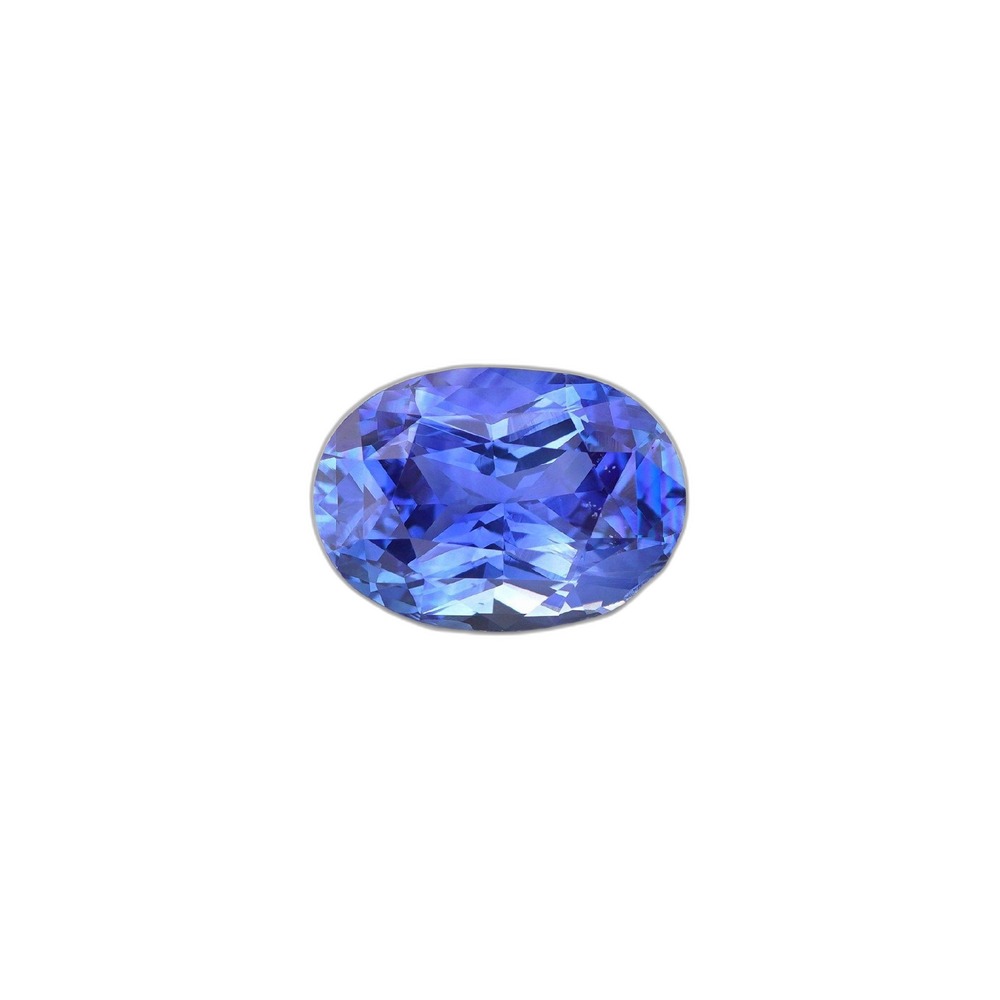
When gem professionals use the term "cornflower blue," they're describing one of the most desirable color qualities a sapphire can possess — a pure, medium-toned blue with a slight violet undertone, reminiscent of the cornflower plant. It is not the deepest blue possible, nor the most saturated. It is, however, widely considered the most beautiful.
WHAT DEFINES CORNFLOWER BLUE
Cornflower blue describes a specific color range: medium to medium-dark blue with a slight violet or purple secondary hue, and a saturation level that appears vivid without becoming dark or inky. The tone typically falls in the 65–80% range on a standard gemological scale, with primary blue hue and a 10–15% violet modifier.
The name itself comes from the Centaurea cyanus flower — a small wildflower with petals of a precise, luminous blue that gemologists found to be the closest natural color reference for this prized sapphire quality. When you see a true cornflower blue sapphire in daylight, the resemblance to the flower is immediately apparent.
What separates cornflower blue from simply "a nice blue sapphire" is the absence of grey or green modifiers. Many blue sapphires carry subtle grey undertones that dull the color, or greenish tones that shift it away from pure blue. Cornflower blue is remarkably clean in hue — blue and violet only, with nothing to muddy it.
WHERE CORNFLOWER BLUE SAPPHIRES COME FROM
Ceylon is the origin most associated with cornflower blue. The island's sapphires have produced this specific color quality more consistently than any other source. The combination of Ceylon’s unique geological conditions — metamorphic rocks rich in the right trace elements — and its alluvial deposit structure produces stones with the precise iron-titanium ratio responsible for the cornflower color.
Kashmir sapphires can also exhibit cornflower blue, though Kashmir's characteristic color is typically described separately as "velvety royal blue." When a Kashmir stone hits the cornflower range, it is extraordinarily valuable — combining Kashmir's rarity premium with the most coveted color.
Madagascar and Tanzania also produce sapphires with cornflower color, though less consistently than Ceylon. Burma produces sapphires that tend toward a deeper, richer royal blue rather than the lighter cornflower range.
SAPPHIRE COLOR SPECTRUM
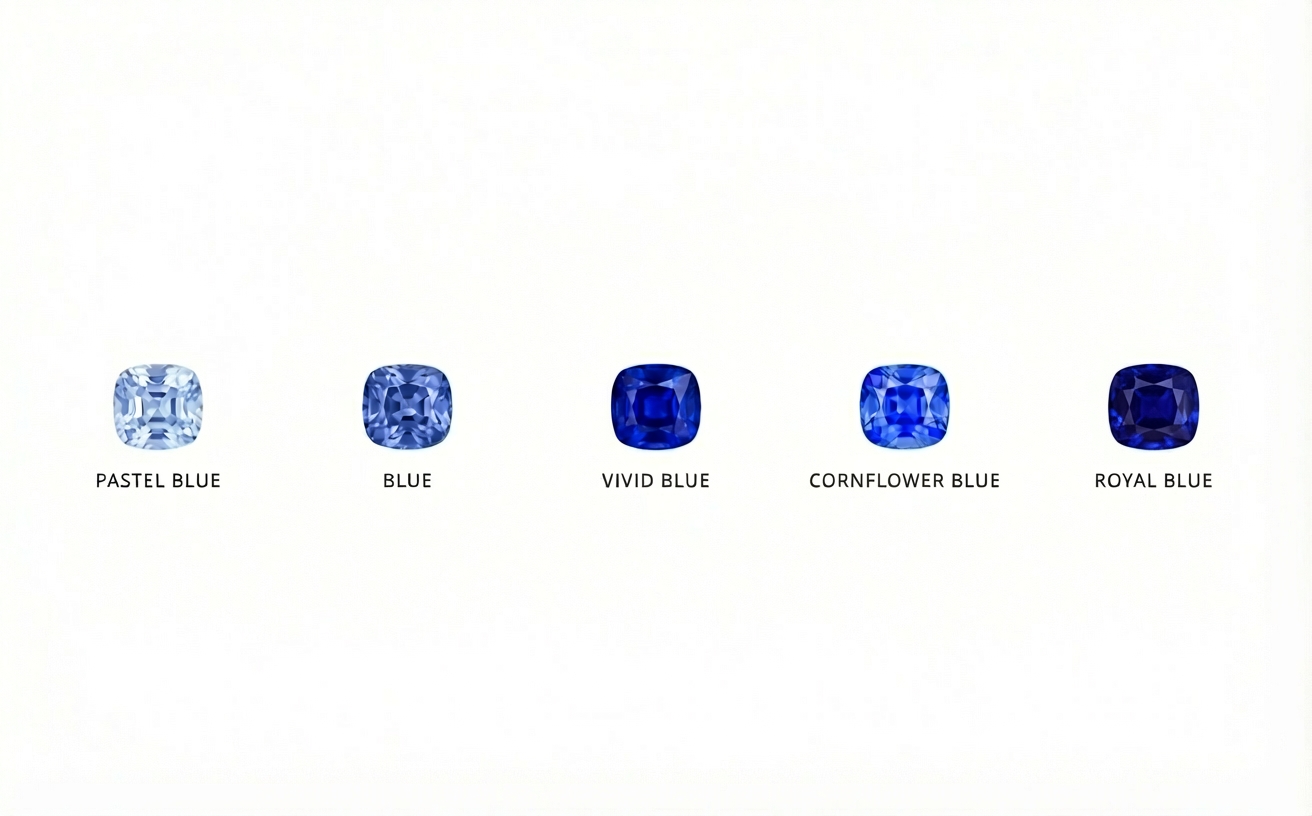
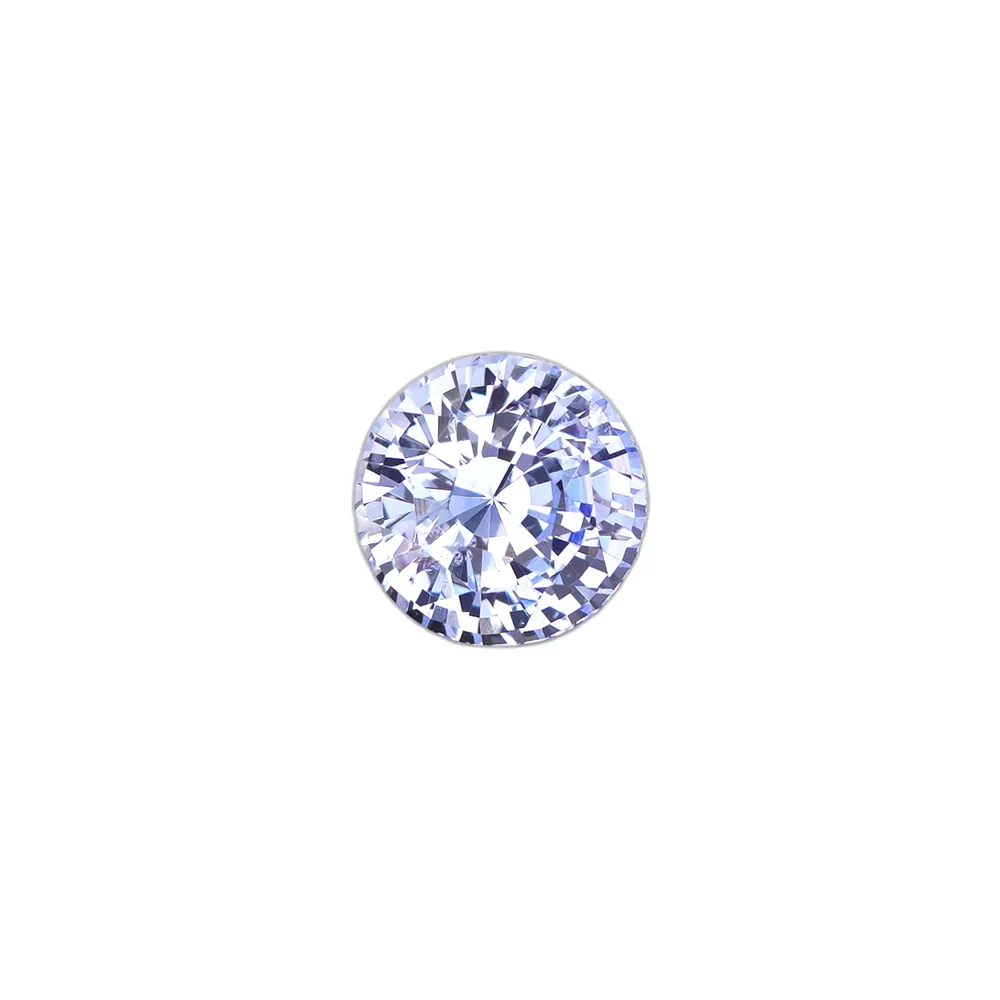
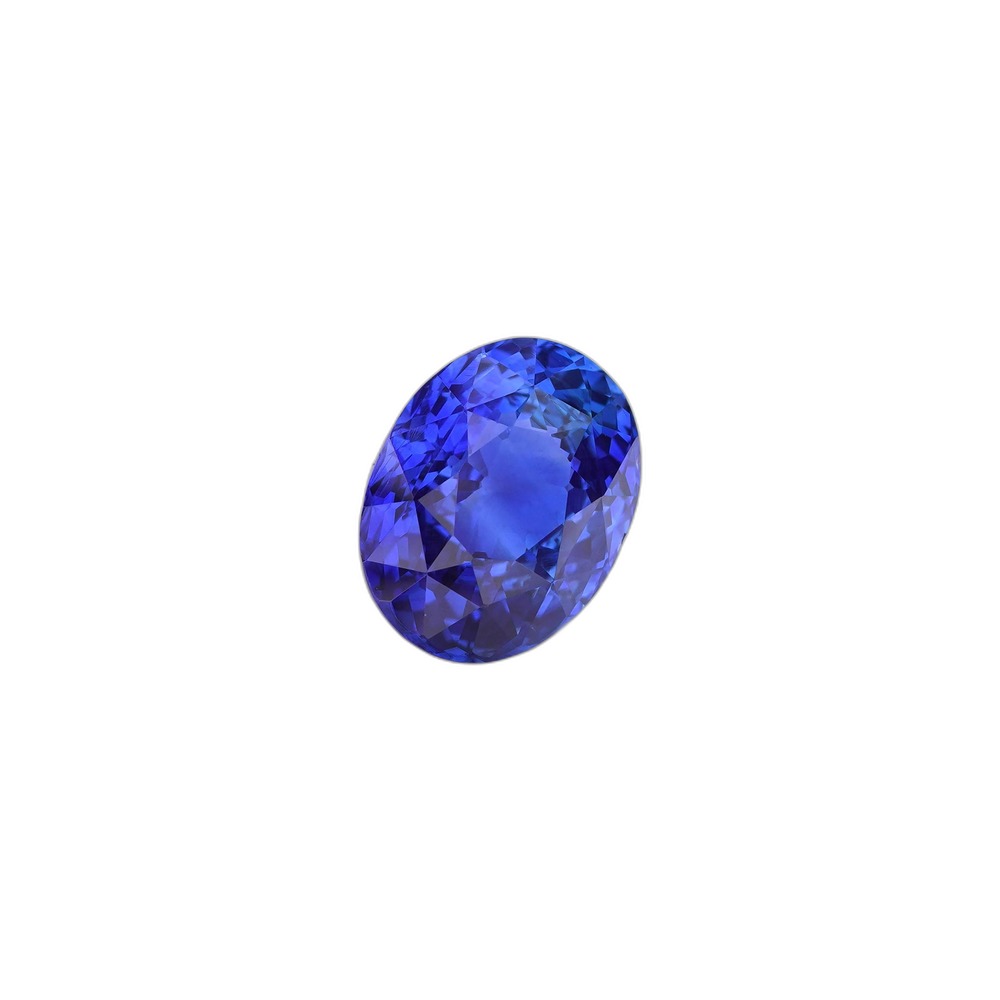
Blue sapphire color grades — from Pastel Blue to Royal Blue. Cornflower Blue sits at the prized fourth position.
CORNFLOWER BLUE VS ROYAL BLUE
The two most prestigious color designations for blue sapphires — cornflower blue and royal blue — are sometimes confused, but they describe distinct color qualities.
Neither is universally superior. Royal blue commands the highest prices at auction for Kashmir origin specifically. But among Ceylon stones, cornflower blue is the benchmark for top quality, and fine cornflower blue Ceylon sapphires frequently outperform heavily included royal blue stones from lesser origins.
PRICE PER CARAT
Cornflower blue Ceylon sapphires represent a significant premium over standard blue Ceylon material. A fine, unheated cornflower blue Ceylon sapphire with GRS certification can command $5,000–$25,000 per carat depending on size and quality. Heated cornflower blue stones typically range from $1,500–$8,000 per carat.
HOW LABS CERTIFY CORNFLOWER BLUE
GRS (Gem Research Swisslab) is the premier authority on cornflower blue certification. Their "cornflower blue" quality designation on a sapphire certificate is a direct value driver — it signals that the stone's color meets a defined standard recognized by the international trade.
Gübelin Gem Lab uses the designation "cornflower blue" as well, though slightly less frequently. Both labs reserve the term for stones that genuinely hit the color window — it is not assigned loosely.
For investment-grade cornflower blue sapphires, a GRS certificate explicitly stating "cornflower blue" in the color description — alongside "no indications of heating" — represents the maximum certification value for a Ceylon sapphire.
WHY CORNFLOWER BLUE HOLDS VALUE
Cornflower blue sapphires hold value exceptionally well because the color designation is narrow and consistently recognized globally. Unlike more subjective quality attributes, "GRS cornflower blue" is a specific, documented quality marker with a track record of commanding premiums at major auction houses worldwide.
Demand is genuinely global. European buyers, particularly from Switzerland and the UK, have historically been the primary market for cornflower blue Ceylon stones. But participation from Asian buyers — particularly from Singapore and Hong Kong — has grown substantially since 2015, expanding the demand base without any corresponding increase in supply of top-quality material.
Ceylon production, while ongoing, is not expanding. The alluvial deposits that produce the finest material are finite, and the yield of investment-grade cornflower blue from any given season of mining is small. This supply constraint, combined with growing global recognition of the color quality, supports a constructive long-term price outlook. For a current example, see our SPH-005 Cornflower Blue Sapphire · 5.55ct — Ceylon origin, heated, certification on request.
WHAT COLOR IS CORNFLOWER BLUE?
Cornflower blue is a precise, medium-toned blue — not sky blue, not navy, and not the deep inky blue of a Kashmir sapphire. The closest natural reference is the Centaurea cyanus wildflower: a pure, bright, slightly violet-tinged blue that appears almost luminous in daylight. Gemologists place it at roughly 70–75% tone on a standard scale, with primary blue hue (hB) and a 10–15% violet modifier.
In practice: hold a true cornflower blue sapphire next to a deeply saturated royal blue stone and the difference is immediately visible. Cornflower blue is lighter and brighter — it looks like sunlight captured in the stone. Royal blue looks deeper and more concentrated. Cornflower blue also performs better under artificial lighting because its higher tone means it never turns dark or loses its color in dim rooms.
What cornflower blue does not look like: grey-blue (too much grey modifier), green-blue (too much green modifier), or pale milky blue (too low saturation). The absence of those modifiers is what makes the color rare — most blue sapphires carry at least a hint of grey or green that shifts them away from the pure cornflower window.
HOW TO BUY A CORNFLOWER BLUE SAPPHIRE
Buying a genuine cornflower blue sapphire requires navigating both the color standard and the certification system. Here is what to check before purchasing:
The most common mistake buyers make is accepting a certificate that says "blue" and assuming cornflower blue is implied. It is not. GRS issues separate designations: "blue," "vivid blue," and "cornflower blue" are distinct grades. Only the explicit "cornflower blue" designation carries the premium and the resale recognition.
For investment-grade purchases, insist on GRS primary certification with both the color designation and the heat treatment status on the same certificate. Secondary certifications from minor labs do not carry the same secondary-market recognition at Christie's, Sotheby's, or Bonhams — where GRS and Gübelin certificates drive the bidding.
FREQUENTLY ASKED QUESTIONS
What is a cornflower blue sapphire?
Cornflower blue is a specific color range — medium to medium-dark blue with a slight violet undertone and vivid saturation. GRS (Gem Research Swisslab) uses it as an official color designation on certificates. It is the most prized color for Ceylon sapphires and signals a significant value premium.
How much does a cornflower blue sapphire cost per carat?
In 2026: good quality unheated 1–3 carat cornflower blue Ceylon runs $3,000–$8,000/ct; fine 3–5 carat stones $8,000–$15,000/ct; top 5ct+ examples $15,000–$25,000/ct. Heated stones cost 50–65% less at equivalent quality.
Are cornflower blue sapphires valuable?
Yes — among the most valuable blue sapphire colors available. GRS-certified unheated cornflower blue Ceylon sapphires at 5+ carats command $15,000–$25,000 per carat. The designation is narrow, globally recognized, and carries a consistent auction track record.
Is cornflower blue better than royal blue?
They are different, not ranked. Cornflower blue is the Ceylon benchmark — vivid and luminous in all lighting. Royal blue is the Kashmir/Burma benchmark — deeper and richer. Both command significant premiums in their respective origins.
Where do cornflower blue sapphires come from?
Ceylon is the primary and most consistent source. The island produces this color quality more reliably than any other origin due to its unique geological conditions and trace element profile.
Does GRS certify cornflower blue sapphires?
Yes. GRS is the leading certifier for cornflower blue. Their certificate explicitly states “cornflower blue” in the color description — it is not assigned loosely. Gübelin Gem Lab also uses the designation. For investment-grade stones, a GRS cornflower blue certificate with “no indications of heating” is the highest certification value for a Ceylon sapphire.
Is cornflower blue sapphire rare?
Yes — genuinely rare. True cornflower blue requires a precise iron-titanium balance, a specific tone/saturation window, and the absence of grey or green modifiers. Only a fraction of Ceylon sapphire production meets the standard. GRS certifies the color designation selectively.
What is the difference between cornflower blue and royal blue sapphire?
Cornflower blue and royal blue describe different color qualities from different origins. Cornflower blue (Ceylon benchmark) is a vivid medium blue with slight violet undertone — bright and luminous in all lighting. Royal blue (Kashmir/Burma benchmark) is deeper and richer in tone. Neither is objectively superior: preference depends on origin, context, and the individual buyer.
What color is cornflower blue exactly?
Cornflower blue is a medium-toned, vivid blue with a slight violet undertone — sitting at roughly 70–75% tone on the gemological scale. It is lighter than royal blue and darker than sky blue, resembling the Centaurea cyanus wildflower. The key characteristic is a pure blue-violet with no grey or green modifiers, which makes it appear luminous and lively in all lighting conditions.
How do I know if a sapphire is truly cornflower blue?
The only reliable way to confirm a cornflower blue sapphire is a laboratory certificate from GRS (Gem Research Swisslab) or Gübelin explicitly stating "cornflower blue" in the color field. Visual assessment alone is insufficient because many blue sapphires appear similar to untrained eyes. Without explicit lab certification, you are buying perceived color, not certified color.