 SAPPHIRE BANK
RELATED GUIDES
SAPPHIRE VS RUBY: WHAT'S THE DIFFERENCE?
Here's a fact that surprises many people: sapphires and rubies are the exact same mineral — corundum. The only difference is color. Yet these "siblings" have very different markets, values, and characteristics.
THE SAME MINERAL, DIFFERENT COLORS
Both sapphires and rubies are corundum — crystallized aluminum oxide (Al₂O₃). Pure corundum is actually colorless. It's trace elements that create the colors we prize:
- Chromium creates red → Ruby
- Iron + Titanium creates blue → Blue Sapphire
- Iron creates yellow/green → Yellow/Green Sapphire
- Chromium + Iron creates pink-orange → Padparadscha
Corundum is the second hardest natural mineral (9 on the Mohs scale), making both sapphires and rubies extremely durable for jewelry.
WHERE DOES RUBY END AND PINK SAPPHIRE BEGIN?
This is one of the most debated questions in gemology. There's no universal standard — the boundary between "ruby" and "pink sapphire" is subjective.
The traditional view: A ruby must be predominantly red. If pink dominates, it's a pink sapphire.
The GIA approach: GIA uses a minimum saturation threshold. Stones below it are "pink sapphire," above it are "ruby."
Why it matters: The word "ruby" on a certificate can double or triple a stone's value. Some dealers push borderline stones toward ruby classification. Always examine the stone yourself.
HEAD-TO-HEAD COMPARISON
WHICH IS RARER?
Rubies are rarer than sapphires — significantly so at the top quality levels.
Fine blue sapphires are found in multiple locations: Ceylon, Myanmar, Madagascar, and others. While top stones are rare, there's reasonable supply.
Fine rubies are concentrated in fewer sources, primarily Burma and Mozambique. A gem-quality ruby over 5 carats is extraordinarily rare — far rarer than a comparable sapphire.
This scarcity is reflected in prices: top rubies consistently sell for more per carat than top sapphires at auction.
WHICH IS MORE VALUABLE?
At the top tier, rubies command higher prices.
The world record for a ruby is $1.27 million per carat (the Sunrise Ruby, 25.59ct, sold for $32.4 million in 2015). The world record for a sapphire is $242,000 per carat (a 392.52ct Kashmir sapphire sold for $95 million in 2024).
However, at accessible price points, sapphires often offer better value. You can acquire a fine Ceylon sapphire for $5,000-15,000/ct, while a comparable ruby might cost $15,000-50,000/ct.
For investors, both have merit: rubies for maximum appreciation potential, sapphires for better entry points and liquidity.
TREATMENT DIFFERENCES
Both sapphires and rubies are commonly heat-treated to improve color and clarity. The treatment considerations are similar:
- Unheated: Most valuable, requires lab verification
- Heat only: Accepted, moderate premium for unheated
- Beryllium/lead glass: Avoid for investment
Unheated rubies are proportionally rarer than unheated sapphires, making the premium for "no heat" typically higher for rubies.
WHICH SHOULD YOU BUY?
Choose sapphire if:
- You prefer blue, pink, or other colors
- You want more stone for your budget
- You value variety (sapphires come in every color)
- You want a more liquid market for resale
Choose ruby if:
- Red is your color
- You want maximum rarity and prestige
- You're buying for long-term investment
- You're comfortable with higher price points
EXPLORE OUR COLLECTION
FREQUENTLY ASKED QUESTIONS
What is the difference between sapphire and ruby?
Sapphires and rubies are both corundum — the only difference is color. Rubies are red corundum; sapphires are every other color. Both can be investment-grade with similar durability (Mohs 9), but their markets differ significantly.
Which is more valuable, sapphire or ruby?
Fine rubies are rarer than equivalent sapphires and typically command higher prices. Top unheated Burma pigeon blood rubies reach $100,000+ per carat. Kashmir sapphires are similar; Ceylon sapphires are more accessible at $5,000–$25,000 per carat for fine material.
Are rubies or sapphires better for investment?
Both are excellent at the right quality tier. Rubies have stronger appreciation potential at the very top, but are harder to source. Sapphires — particularly unheated Ceylon cornflower blue — offer broader liquidity and more accessible entry. Ceylon sapphires are the recommended starting point for most investors.
Do rubies and sapphires have the same hardness?
Yes. Both are corundum with Mohs hardness 9, second only to diamond. They are equally durable and suitable for jewelry. Hardness is not a differentiator between the two stones.
RELATED ARTICLES
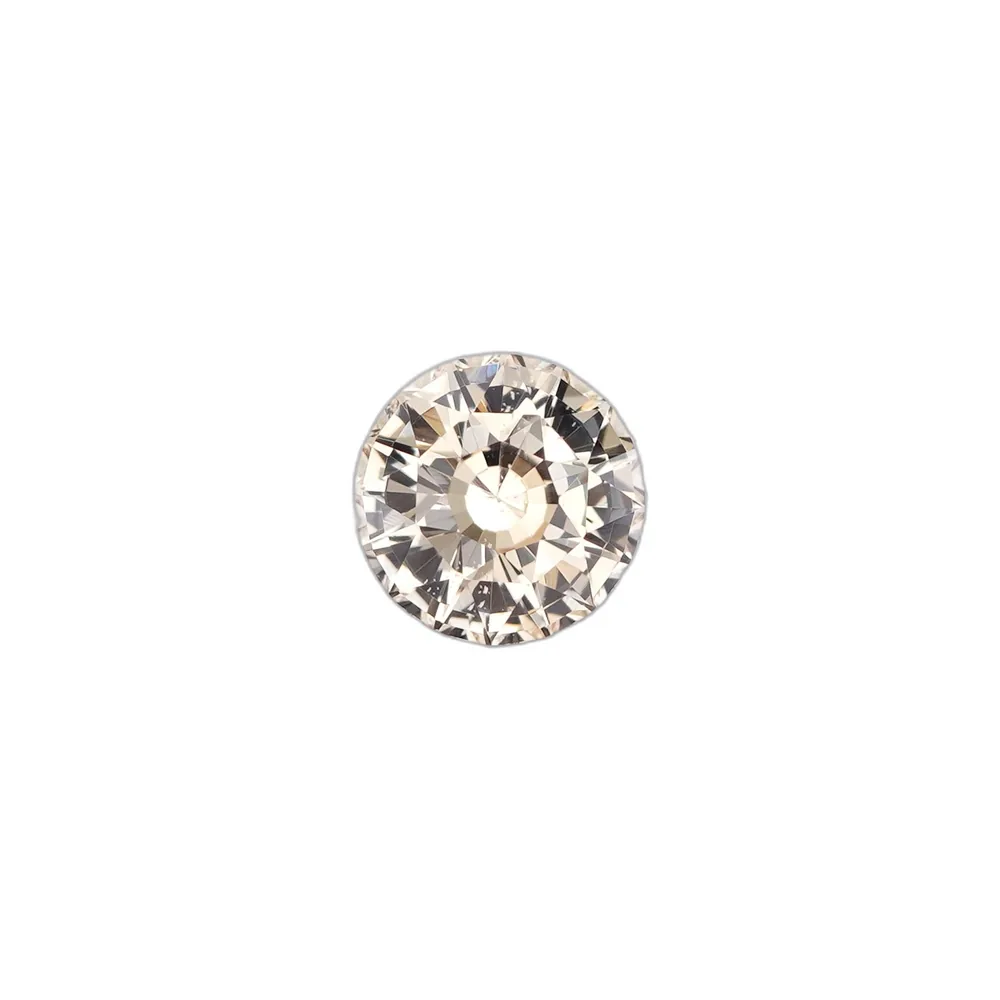
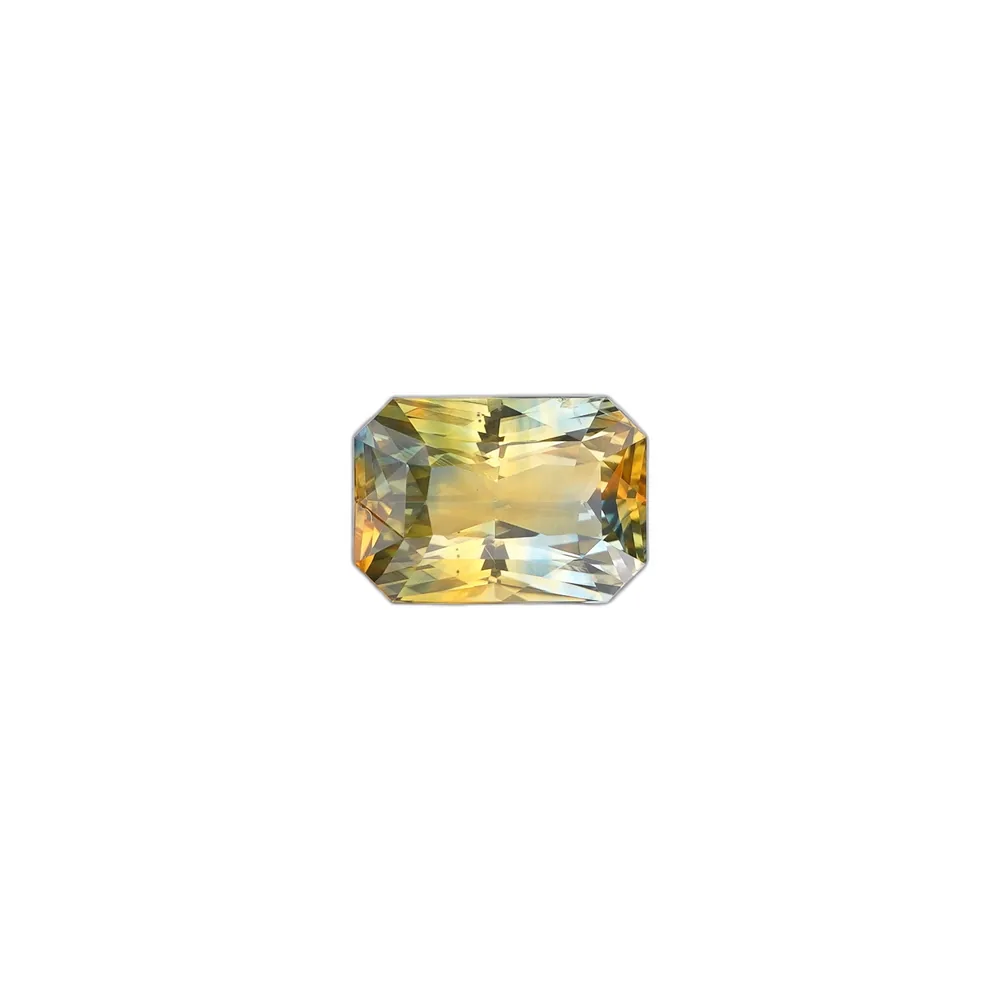
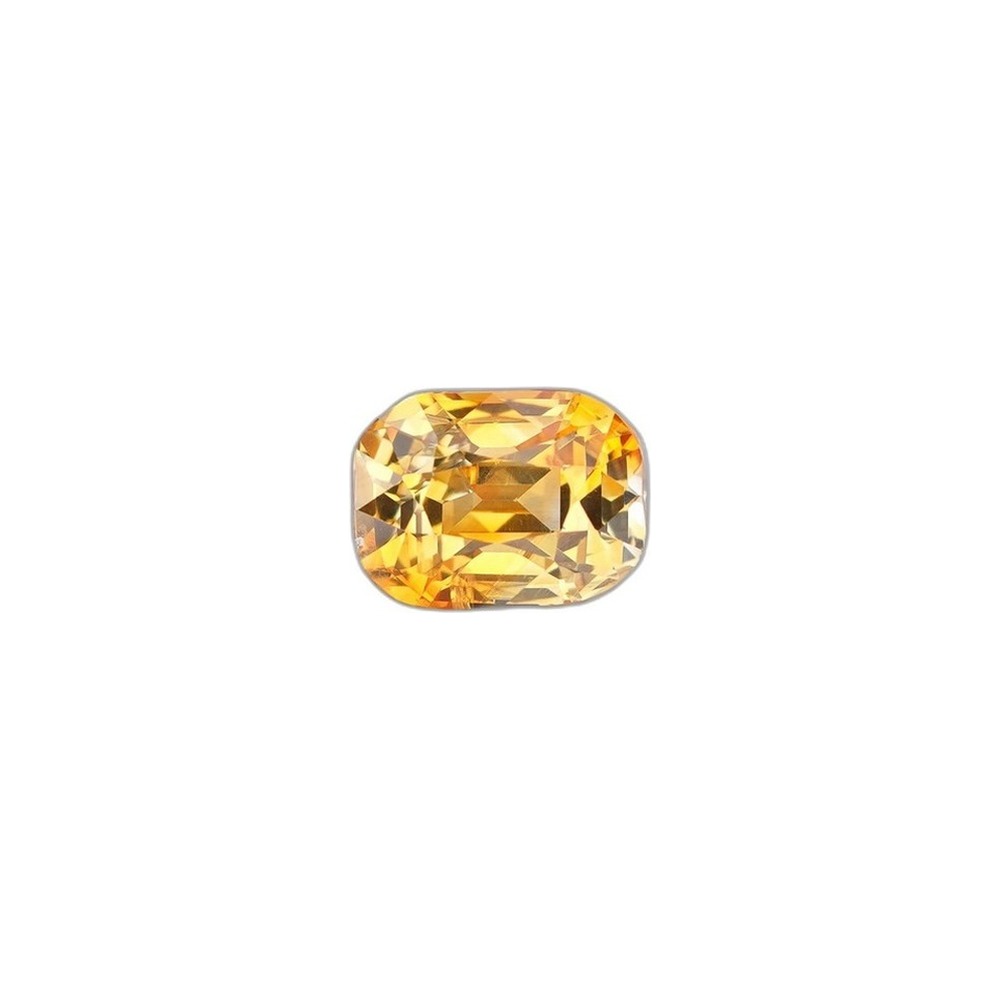
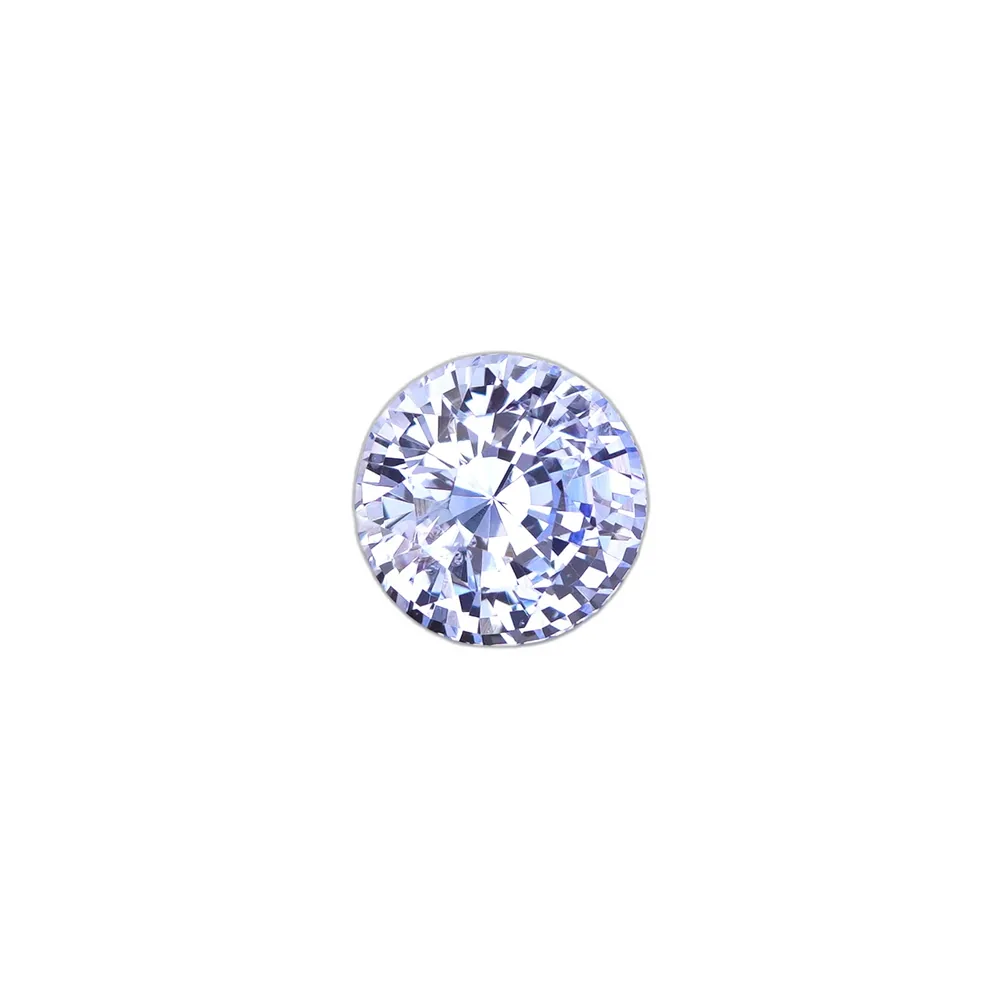
We have no rubies in stock today — that category is sourced on request. These are stones we do hold, and each card shows its own origin.