 SAPPHIRE BANK
FUNDAMENTALS
What is a Carat?
The carat is the standard unit of weight for gemstones. One carat equals 200 milligrams— about the weight of a small paperclip. But there's more to carat weight than meets the eye.
1 carat = 200 milligrams = 0.2 grams
The History of the Carat
The word "carat" comes from the carob seed. Ancient gem traders used these seeds as counterweights because they believed each seed had uniform weight. (They don't, actually— but the name stuck.)
In 1907, the metric carat was standardized at exactly 200 milligrams. This is now the universal standard used by gemologists, jewelers, and auction houses worldwide.
Carat vs. Karat: What's the Difference?
These terms sound identical but measure completely different things:
Carat (ct) measures gemstone weight. A 2-carat sapphire weighs 400 milligrams.
Karat (K or kt) measures gold purity. 24-karat gold is pure gold; 18-karat gold is 75% gold.
When discussing gemstones, you'll always see "carat" abbreviated as "ct"—never "K."
Weight vs. Size: Not the Same Thing
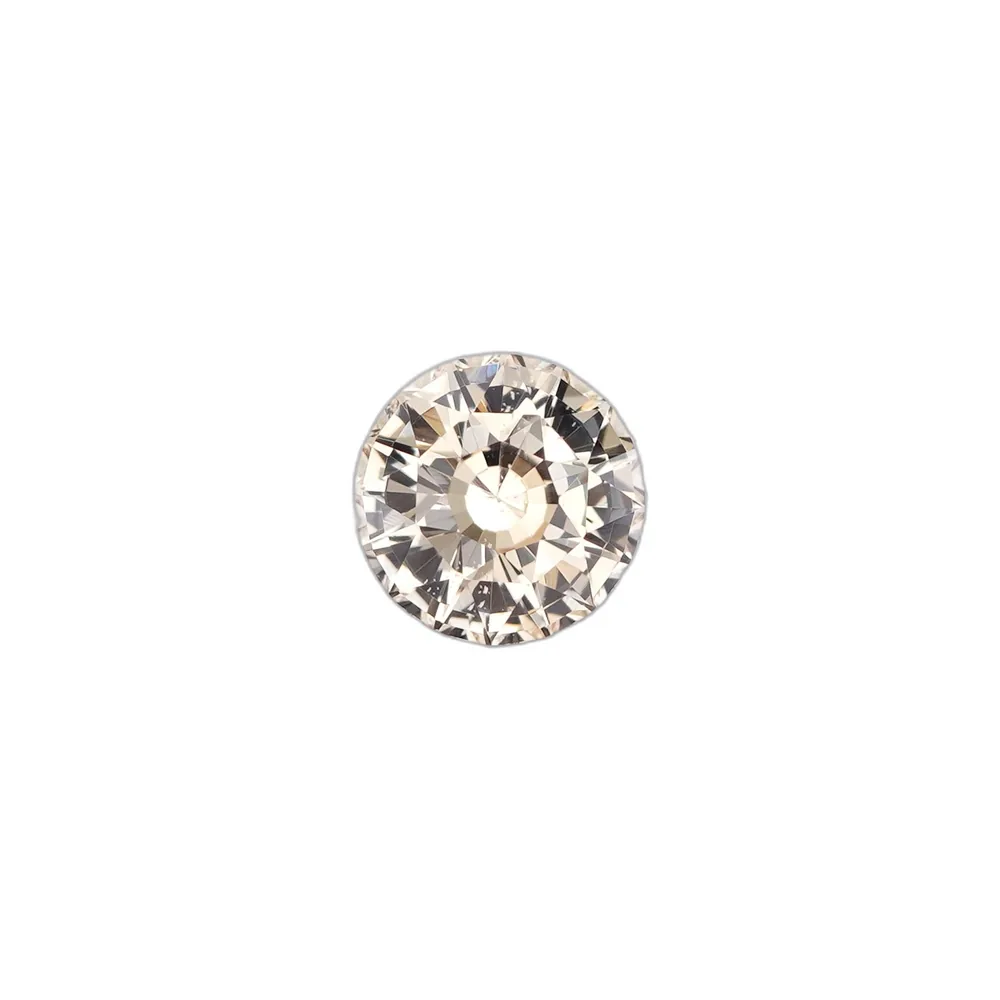
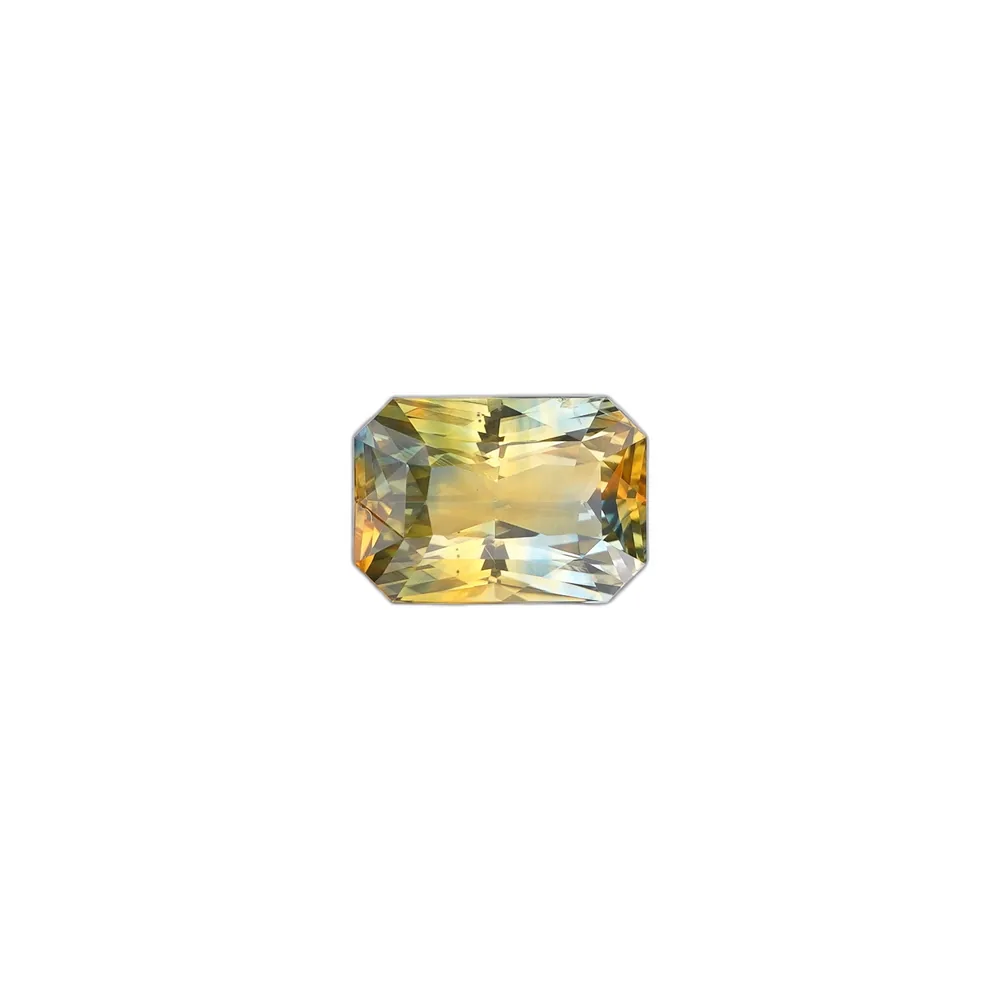
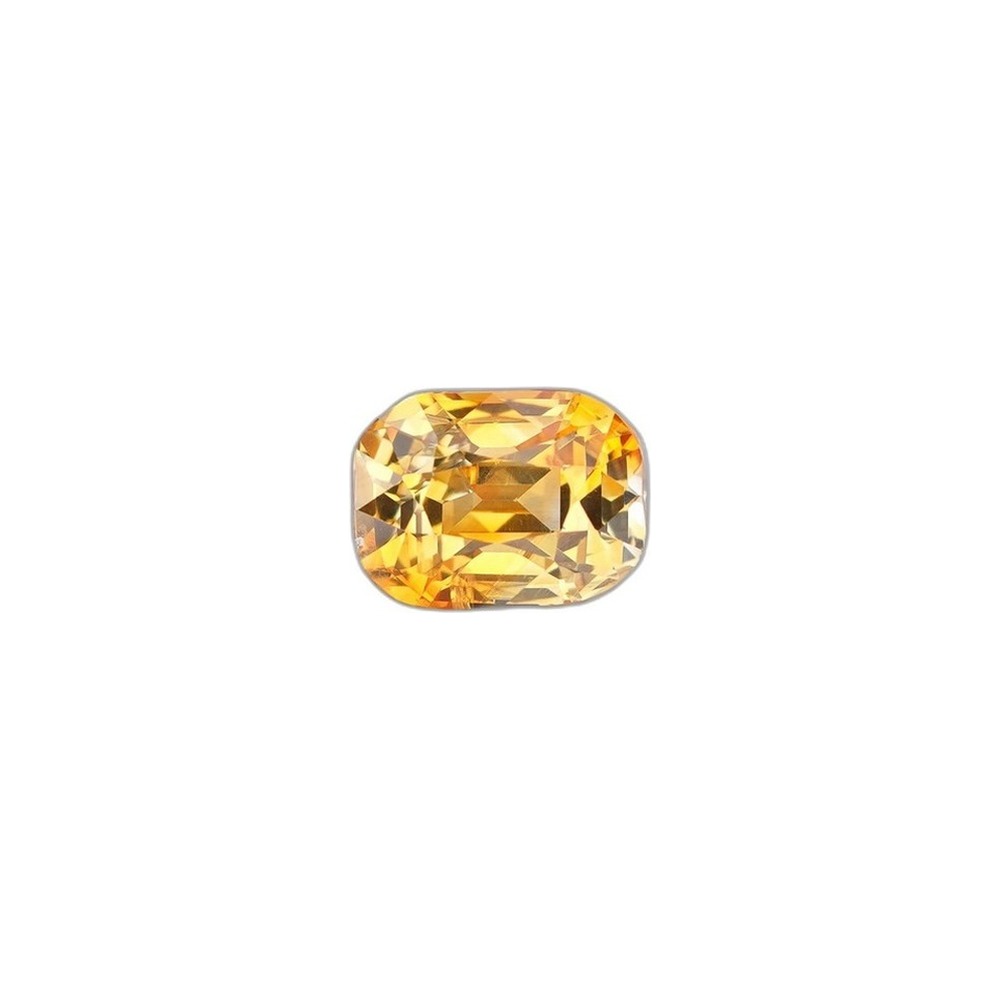
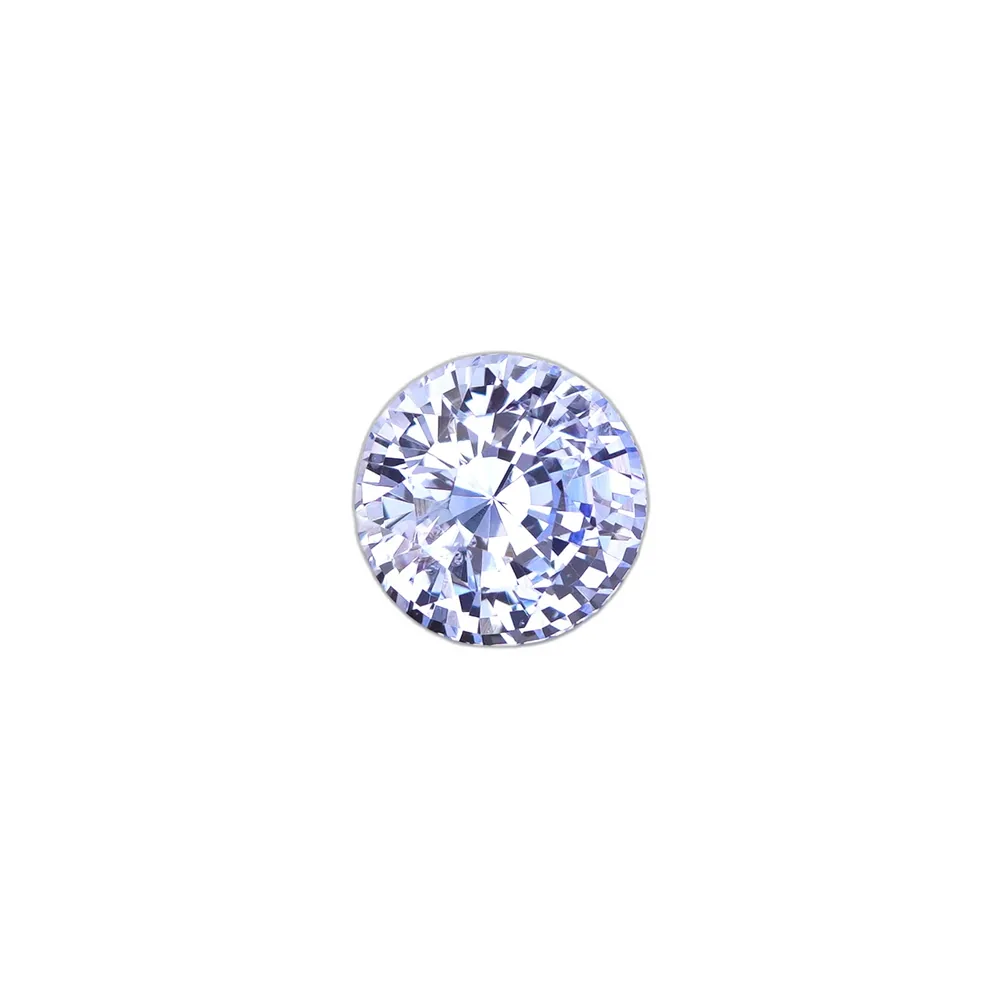
Here's where it gets interesting: two gemstones of the same carat weight can look completely different in size. Why? Because different minerals have different densities.
Sapphires and rubies (both corundum) are denser than diamonds. A 1-carat sapphire will appear smaller than a 1-carat diamond because the same weight is packed into less volume.
Conversely, spinels are less dense than corundum. A 1-carat spinel will look slightly larger than a 1-carat sapphire.
*Approximate sizes for round brilliant cuts. Actual dimensions vary by cut proportions.
How Carat Weight Affects Price
Gemstone prices don't increase linearly with carat weight—they increase exponentially. A 2-carat sapphire doesn't cost twice as much as a 1-carat sapphire of equal quality. It might cost 3-4 times as much.
Why? Larger rough crystals are exponentially rarer than smaller ones. A rough crystal large enough to yield a 5-carat finished stone is far more than 5 times rarer than one that yields a 1-carat stone.
This is why gemstone prices are typically quoted "per carat"—and why that per-carat price increases at certain weight thresholds (1ct, 2ct, 3ct, 5ct, 10ct).
Example: A fine unheated Ceylon sapphire might sell for $5,000/ct at 1 carat, $8,000/ct at 2 carats, and $12,000/ct at 5 carats— even if color and clarity are identical.
Points and Fractions
Carats are divided into 100 "points." A 0.50-carat stone is "50 points" or "half a carat." A 0.75-carat stone is "75 points" or "three-quarters of a carat."
In the trade, you'll often hear weights expressed in fractions: "a carat and a half" (1.50ct), "just under two carats" (1.90ct), or "a three-carat stone" (3.00ct+).
Precision matters. A 0.99-carat stone is worth noticeably less than a 1.00-carat stone of identical quality—buyers pay a premium for round numbers.
Bigger Isn't Always Better
For investment purposes, carat weight matters—but it's just one factor. A smaller stone with exceptional color and no heat treatment will often outperform a larger stone with mediocre color or heavy treatment.
The sweet spot for investment-grade colored gemstones is typically 2-5 carats. Below 2 carats, stones are relatively common. Above 5 carats, the buyer pool shrinks (fewer people can afford them), which can affect liquidity.
That said, truly exceptional stones above 10 carats are museum-quality pieces that can command extraordinary premiums at auction.
FREQUENTLY ASKED QUESTIONS
What is a carat in gemstones?
A carat equals exactly 0.2 grams (200 milligrams). The name derives from the carob seed, used as a counterweight in historic gem trading due to their consistent weight. The metric carat was standardized internationally in 1907.
Is a bigger carat always more valuable?
Not necessarily. A 5-carat sapphire with poor color or heavy inclusions can be worth less than a 2-carat stone with fine cornflower blue. Color, treatment status, and origin often outweigh raw carat weight at the investment grade.
How does carat weight affect sapphire prices?
Prices escalate non-linearly. A 1-carat fine unheated Ceylon sapphire: ~$4,000/ct. The same quality at 3 carats: ~$10,000/ct. At 5 carats: ~$18,000/ct. Larger stones are exponentially rarer and the market prices this directly.
What is the difference between carat and karat?
Carat (gem carat) measures gemstone weight: 1 carat = 0.2 grams. Karat measures gold purity: 24 karat = pure gold, 18 karat = 75% gold. Similar-sounding names, entirely different measurements.