 SAPPHIRE BANK
GEMSTONE CUTS EXPLAINED
Cut is one of the 4 Cs that determine a gemstone's beauty and value. But unlike diamonds, where cut follows strict mathematical proportions, colored gemstone cutting is an art focused on maximizing color.
WHY CUT MATTERS FOR COLORED STONES
With diamonds, the goal is maximum brilliance and fire — light bouncing back to your eye. Cutters follow precise angles to achieve this.
With colored gemstones, the goal is different: maximize color. A cutter might intentionally leave a stone deeper or shallower to achieve the best color presentation, even if it sacrifices some brilliance.
This is why colored stones don't have "ideal cut" grades like diamonds. A well-cut sapphire balances:
- Color saturation and evenness
- Light return (brilliance)
- Weight retention from rough
- Windowing and extinction avoidance
POPULAR GEMSTONE CUTS
The most popular cut for sapphires and rubies. Ovals maximize color display, retain weight well from typical rough shapes, and look larger than rounds of the same carat weight. Elongated ovals (1.5:1 ratio) are particularly elegant.
Best for: Sapphires, rubies, spinels
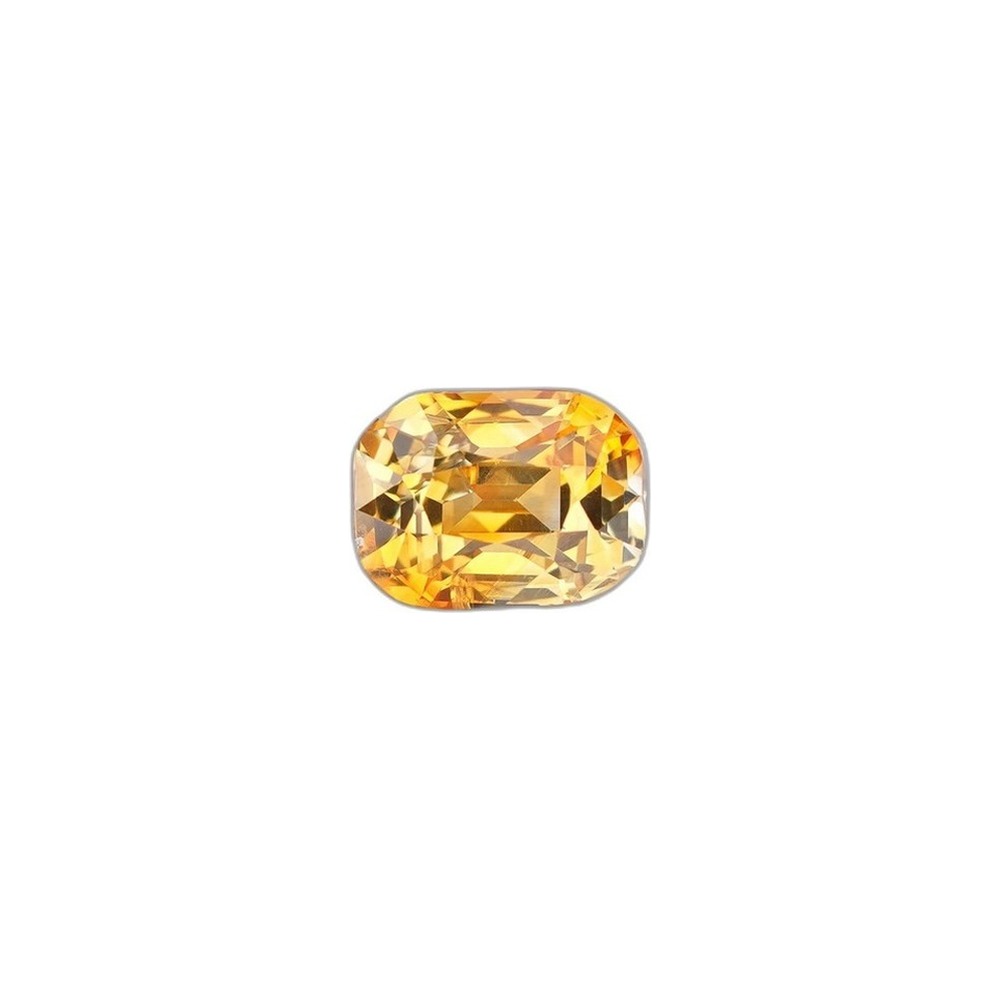
A square or rectangular shape with rounded corners. Cushions have a romantic, antique feel and excellent light performance. They come in "crushed ice" (many small facets) or "chunky" (larger, bolder facets) styles.
Best for: Sapphires, padparadscha, spinels
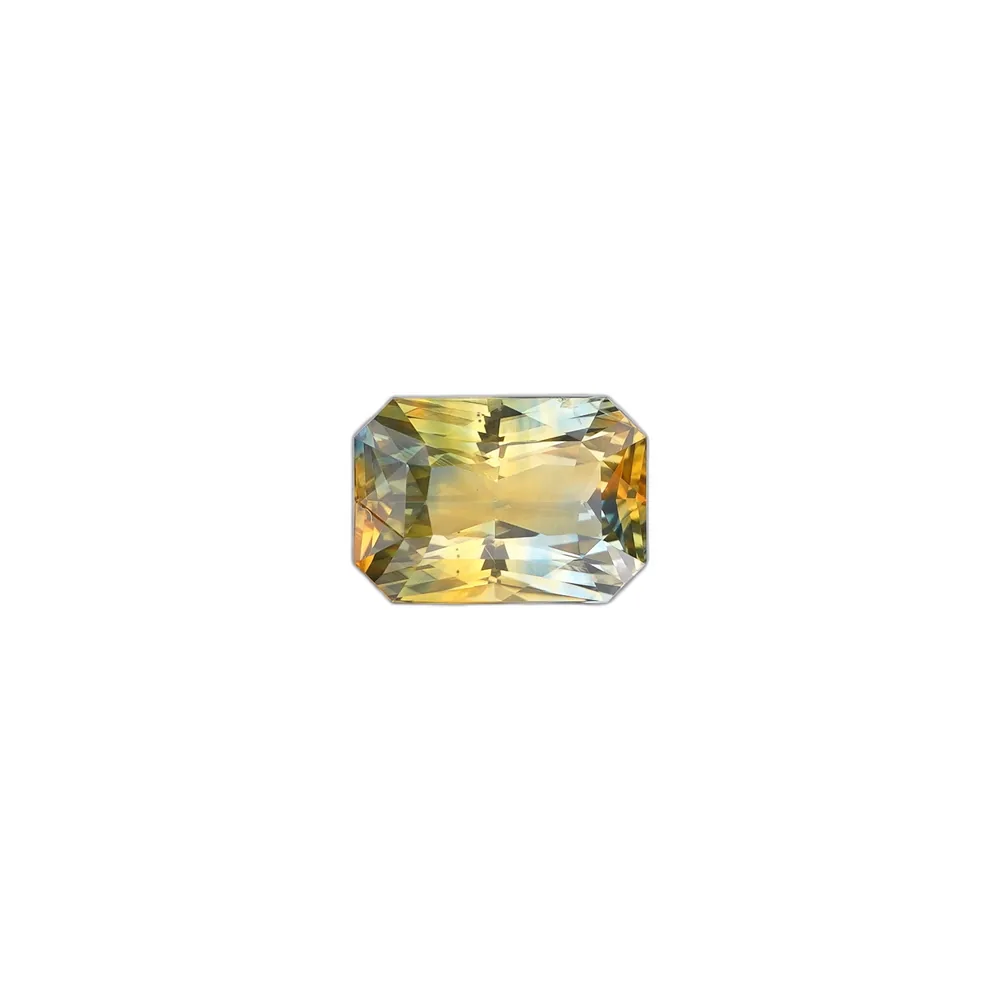
A rectangular step-cut with cropped corners. The long, open facets create a "hall of mirrors" effect. Less brilliant than faceted cuts but showcases clarity and color depth beautifully. Requires high-clarity material.
Best for: High-clarity sapphires, emeralds
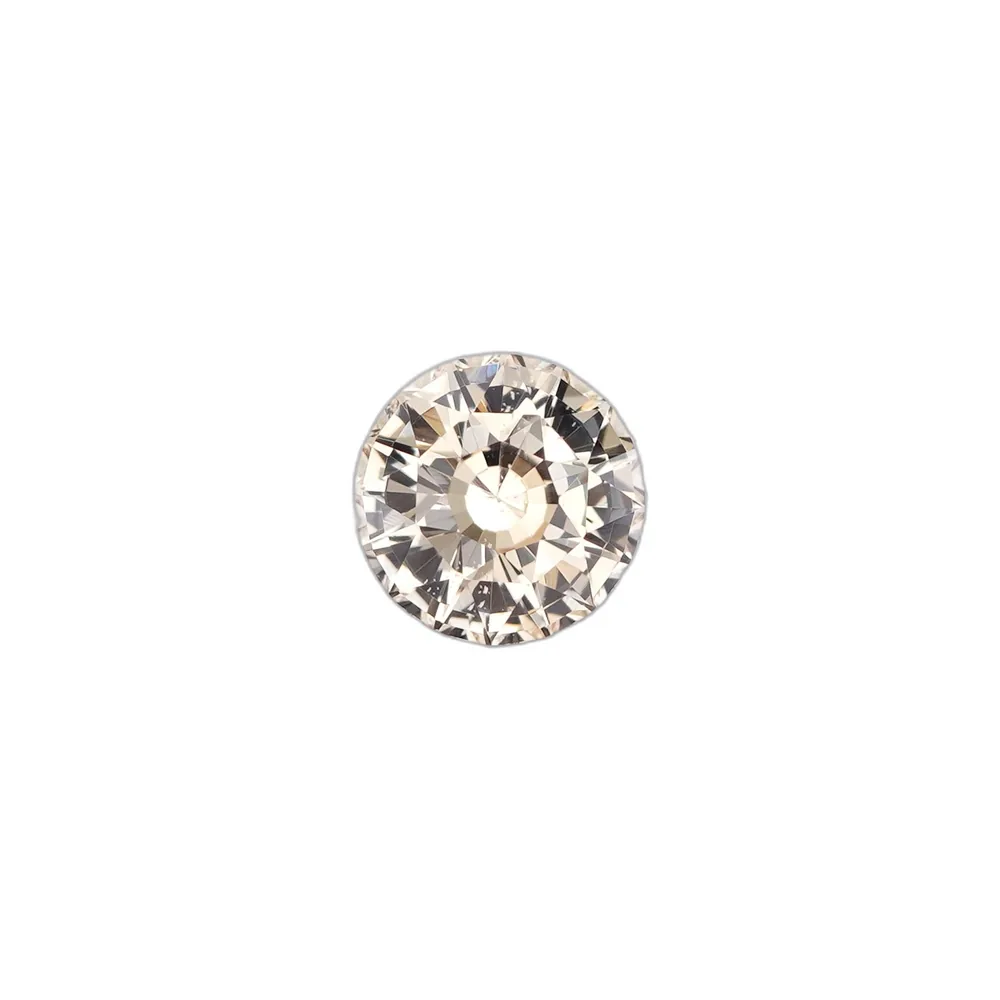
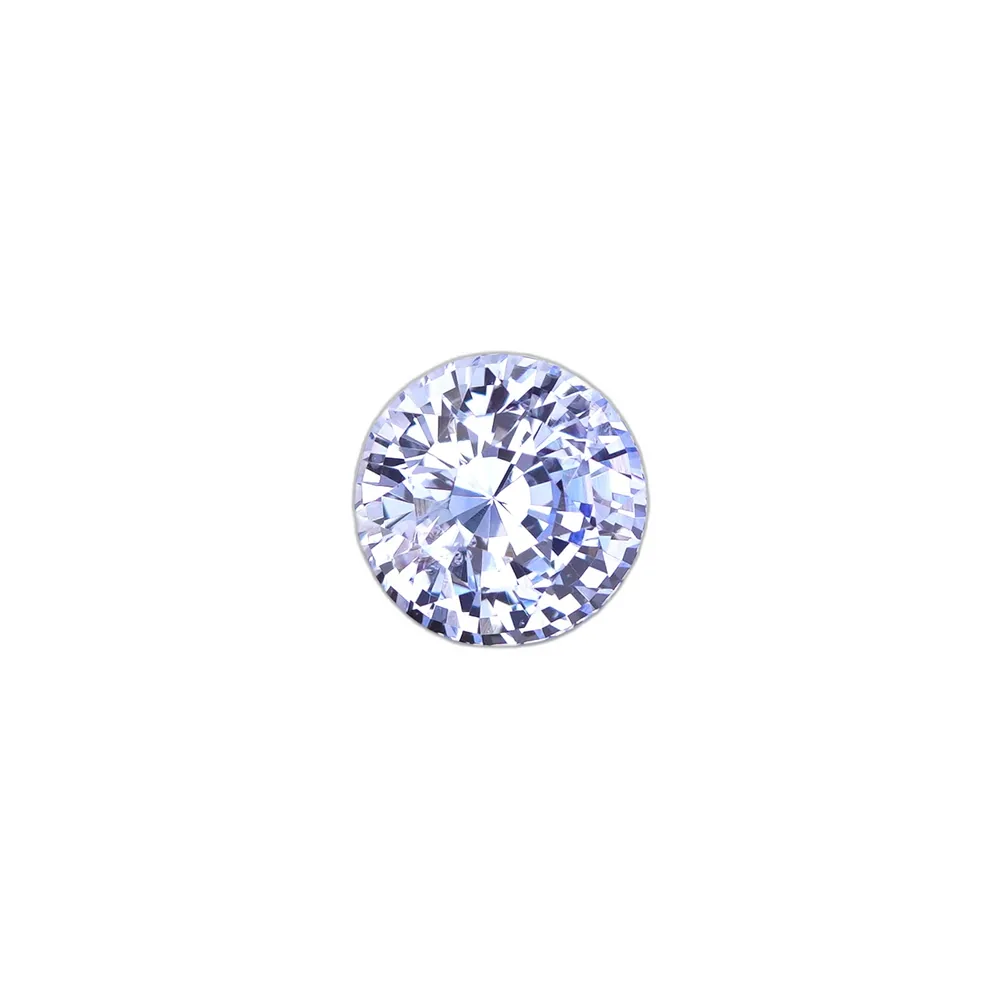
Classic and timeless. Rounds maximize brilliance but sacrifice more rough material than other shapes, making them relatively more expensive per carat. Less common in colored stones than in diamonds.
Best for: Spinels, lighter-colored sapphires
A teardrop shape combining round and marquise. Pears elongate the finger in rings and create dramatic pendants. The point requires careful setting to protect from chipping.
Best for: Statement pieces, pendants
A domed, unfaceted cut. Cabochons are used for star sapphires and star rubies (where the dome displays asterism), or for translucent/opaque material. Also used for phenomenal stones like cat's eye chrysoberyl.
Best for: Star sapphires, star rubies, opaque stones
EVALUATING CUT QUALITY
While there's no standardized grading, look for these qualities:
WINDOWING VS EXTINCTION
These are the two main cut flaws to watch for:
Windowing occurs when a stone is cut too shallow. Light passes straight through instead of reflecting back, creating a "window" where you can see through the stone. The center appears washed out or transparent.
Extinction occurs when a stone is cut too deep or with incorrect angles. Light enters but doesn't return to your eye, creating dark, lifeless zones. Some extinction is normal, but excessive darkness detracts from beauty.
A well-cut stone balances depth to avoid both problems, showing even color and good light return across the face.
HOW CUT AFFECTS VALUE
Cut typically affects value less than color or carat weight for colored stones. However:
- Severe windowing or extinction can reduce value by 20-40%
- Precision cuts (mathematically optimized) command 10-20% premiums
- Native cuts (rough country of origin cuts) may be recut, adding cost but improving appearance
- Shape popularity affects demand — ovals and cushions are most liquid
SHOULD YOU RECUT A STONE?
Many fine gemstones arrive with "native cuts" — basic cuts done in the country of origin to preserve weight. Recutting can dramatically improve appearance but:
- You'll lose 10-30% of carat weight
- Recutting costs $50-500+ depending on size and complexity
- The stone must be removed from any setting
- There's always some risk during the process
Recutting makes sense when improved appearance will increase value more than the weight loss decreases it — usually for stones with significant windowing or asymmetry.
FREQUENTLY ASKED QUESTIONS
What is the most popular cut for investment-grade sapphires?
The oval cut is the most popular for investment-grade sapphires. Ovals maximize color display, retain weight well from typical rough shapes, and look larger than rounds of the same carat weight — making them the most liquid and desirable cut in the collector market.
How does windowing affect a gemstone's value?
Windowing occurs when a stone is cut too shallow, causing light to pass straight through rather than reflecting back. Severe windowing can reduce a gemstone's value by 20–40% compared to an equivalent well-cut stone, as it creates a washed-out appearance that detracts from beauty and brilliance.
Should I recut a native-cut gemstone to improve its value?
Recutting makes sense when the improved appearance will increase value more than the weight loss decreases it — typically for stones with significant windowing or asymmetry. Expect to lose 10–30% of carat weight, with recutting costs ranging from $50 to $500+, depending on size and complexity.
What is the difference between crushed-ice and chunky cushion cuts?
Crushed-ice cushions have many small facets that create a sparkling, shattered-ice appearance, while chunky cushions have fewer, larger facets that produce a bolder, more structured light return. Both styles are popular, but chunky cushions tend to show color more consistently — an advantage for investment-grade colored stones.
VIEW OUR COLLECTION
Every stone in our collection is evaluated for cut quality. We reject stones with significant windowing or extinction, regardless of color or origin.