 SAPPHIRE BANK
WHAT MAKES A SAPPHIRE INVESTMENT GRADE? THE COMPLETE CHECKLIST
The term “investment grade” gets applied liberally in the gemstone trade. Every dealer claims their stones qualify. Most don't. Investment-grade sapphires are defined by a specific, verifiable set of criteria — not by a seller's marketing copy. This guide covers exactly what those criteria are, why each one matters, and how to verify them before you commit a single euro.
WHY MOST SAPPHIRES ARE NOT INVESTMENT GRADE
Approximately 95% of sapphires on the market — including most sold in jewelry stores and at online marketplaces — are not investment-grade. They are commercially heated, undocumented, under-certified, or too small to hold meaningful value.
There is nothing wrong with a heated sapphire in a piece of jewelry. But it will not appreciate reliably, cannot be sold at auction for a premium, and does not belong in a serious gemstone portfolio. The distinction is not snobbery — it is the difference between a depreciating decorative object and a tangible asset.
The market for investment-grade sapphires is real, liquid at the top end, and has produced consistent price appreciation over decades. But that market is narrow. Knowing the exact criteria is the entry point.
THE INVESTMENT-GRADE CHECKLIST
A sapphire meets investment-grade criteria when it passes all five of the following:
Fail any one of these and the stone moves out of investment territory. All five must hold simultaneously.
1. HEAT TREATMENT — THE HARDEST LINE
Heat treatment is the single most important factor separating investment-grade from commercial sapphires. Over 90% of sapphires on the market have been heated — typically to 1,600–1,800°C — to improve color and clarity. The process is permanent, undetectable by the naked eye, and industry-standard.
It is also a value killer for investors. An unheated Ceylon sapphire of 3 carats sells for 2–4× the price of an identical heated stone. The premium is not arbitrary — it reflects genuine rarity. Fine color sapphires that require no enhancement are genuinely rare in nature. Most mines produce material that needs treatment to reach market color.
The certificate must specifically state “no indications of heating” — the standard GRS and GIA phrase. Variations like “minor heat treatment”, “indications of gentle heating”, or simply no treatment comment at all are not acceptable for investment purposes. When in doubt: ask the lab directly what the report means.
Learn more: Unheated vs Heated Sapphires: What Investors Need to Know
2. CERTIFICATION — NOT ALL LABS ARE EQUAL
An investment-grade sapphire without a certificate from a top-tier laboratory is worth significantly less at resale — regardless of the stone's actual quality. Buyers at Christie's, Sotheby's, and private auction accept GRS, Gübelin, and GIA. They do not give premium credit to lesser labs.
The three labs that matter for investment-grade sapphires:
- GRS (Gem Research Swisslab): The market leader for investment sapphires. GRS origin determinations — particularly “Ceylon”, “Burma”, and “Kashmir” — carry the strongest premium at resale. GRS also offers “Big Three” grading for color quality (e.g. “Royal Blue”, “Cornflower Blue”) which further supports auction pricing.
- Gübelin (Switzerland): The historic authority, founded 1923. Gübelin reports are particularly respected for Kashmir origin determinations and carry strong weight in European auction houses. Equivalent to GRS for serious buyers.
- GIA: The most recognized lab globally (especially in the US market). GIA's colored stone reports are rigorous, but GIA does not use GRS-style color descriptors. GIA is excellent for origin and treatment documentation; GRS may have a marginal edge for premium color grades in the Asian market.
The certificate must document both: treatment status AND geographic origin. A certificate that only addresses one is incomplete for investment purposes. Request the full report — not just a summary card.
See our comparison: GRS vs GIA: Which Certificate Matters More?
3. ORIGIN — THE PRICE MULTIPLIER
Geographic origin is the most powerful price variable in the sapphire market. Two unheated sapphires with identical color, clarity, and carat weight can differ 3–10× in price based on origin alone. Kashmir commands the apex. Burma follows. Ceylon is the baseline — the most liquid, most accessible, and most reliably priced entry point.
Investment-grade origins in order of price premium:
- Kashmir: $50,000–$200,000+/ct. Fixed supply (mines exhausted ~1925). Highest appreciation trajectory.
- Burma (Mogok): $5,000–$30,000/ct. Strong premiums, supply constrained by geopolitics.
- Ceylon: $3,000–$20,000/ct. Deepest and most liquid market. Ideal entry point.
- Madagascar (top-quality): Selective investment at 5+ carats with exceptional color only.
Origins like Thailand, India (non-Kashmir), and China are commercial, not investment-grade at standard quality tiers. Madagascar can qualify at the exceptional end but requires expert evaluation.
The origin conclusion must be documented on the certificate — not verbal, not inferred. “Consistent with Ceylon origin” is weaker than a definitive “Ceylon” conclusion; the latter is what commands full premium at auction.
Full origin ranking: Top 5 Sapphire Origins Ranked by Investment Value
4. CARAT WEIGHT — SIZE THRESHOLDS MATTER
Investment-grade sapphires start at 1 carat. Below that, the buyer pool shrinks significantly and resale becomes more difficult. The sweet spot for most investors entering the market is 2–5 carats — where price per carat is meaningful, stones appear regularly at auction, and liquidity is strong.
Price per carat is not linear — it increases sharply at key size thresholds. A 3-carat unheated Ceylon sapphire is not simply three times the price of 1 carat: it commands a per-carat premium for size rarity. These price jumps occur approximately at 2ct, 3ct, 5ct, and 10ct.
For a first investment, 2–4 carats provides the best balance of entry price, per-carat appreciation potential, and exit options. Stones above 5 carats are excellent investments but require a longer hold horizon to find the right buyer.
Reference: What Is a Carat?
5. COLOR — WHAT INVESTMENT GRADE LOOKS LIKE
Color is the primary driver of value in colored gemstones. For blue sapphires, investment-grade color falls within a specific range of hue, tone, and saturation:
- Hue: Pure blue to slightly violetish-blue. Not greenish-blue (which trades at a discount).
- Tone: Medium to medium-dark. Overly light stones lack depth; overly dark stones appear black in most lighting.
- Saturation: Strong to vivid. Greyish or muted colors trade significantly below investment-grade.
GRS uses proprietary color descriptors that are recognized as investment-grade benchmarks. The most valuable designations for blue sapphires are:
- Royal Blue: Deep, rich, intensely saturated. The premium designation. Commands the highest prices.
- Cornflower Blue: Medium, bright, slightly violetish. Associated with fine Ceylon material. Highly liquid.
Stones that don't receive a GRS color descriptor are not automatically excluded from investment consideration — GIA does not use this system — but they require more careful evaluation.
Learn more: Blue Sapphire Color Grades
SECONDARY FACTORS THAT AFFECT VALUE
Beyond the five core criteria, several secondary factors influence price and liquidity at the margins:
- Clarity: Eye-clean is the baseline for investment-grade material. Fine silk inclusions (needles) are accepted in Kashmir sapphires and may actually be valued — they confirm natural origin and produce the characteristic “sleepy” luminosity.
- Cut: Well-proportioned cuts maximize color return and face-up appearance. Windowing is a cut defect that reduces value.
- Fluorescence: Some sapphires exhibit UV fluorescence. Evaluate case by case.
- Shape: Oval and cushion cuts are the most liquid.
- Setting history: A loose stone is more liquid than a mounted one for investment purposes.
RED FLAGS — WHEN TO WALK AWAY
In the gemstone market, misrepresentation is common. These are the specific signals that should stop a purchase:
- No certificate, or a certificate from an unknown lab. If the seller does not have a GRS, Gübelin, or GIA report, the stone does not qualify for investment consideration. Full stop.
- Certificate does not address heat treatment. Omission is not neutral.
- Verbal origin claims without lab confirmation. Adds zero premium at resale.
- Price significantly below market. Misrepresentation is almost certain.
- Pressure tactics or “limited time” framing. Investment gemstones are stable assets.
For more on verification: How to Authenticate a Gemstone
WHAT INVESTMENT-GRADE SAPPHIRES ACTUALLY COST
Meeting all five criteria is rare — and priced accordingly. Here are realistic entry-level price points for investment-grade sapphires in 2025:
Full pricing guide: Sapphire Price Per Carat
THE DUE DILIGENCE PROCESS
Before purchasing any sapphire for investment, follow this sequence:
- Request the original lab certificate — not a photocopy or digital image. Verify the certificate number directly on the issuing lab's website.
- Confirm the treatment conclusion. Read the exact phrase. “No indications of heating” only.
- Confirm origin conclusion. Definitive geographic origin, not “consistent with.”
- Inspect the stone in person or via high-quality video. Face-up color in daylight. No windowing. Eye-clean clarity.
- Compare to market pricing. Check recent auction results for comparable material.
If a seller is reluctant to provide any of the above, that reluctance is your answer.
FREQUENTLY ASKED QUESTIONS
How do I know if a GRS certificate confirms a sapphire is unheated?
Look for the exact phrase "no indications of heating" in the treatment section. Any variation — "minor indications," "indications of heating," or no mention — means the stone is heated or status is uncertain.
What is the minimum carat weight for an investment-grade sapphire?
Investment-grade sapphires start at 1 carat — below that, the buyer pool shrinks significantly. The sweet spot is 2–5 carats, where price per carat is meaningful and auction liquidity is strong.
Is a Ceylon sapphire as good an investment as a Kashmir sapphire?
Ceylon and Kashmir serve different investor profiles. Kashmir commands $50,000–200,000+/ct but requires extreme capital and very thin liquidity. Ceylon trades at $3,000–20,000/ct with the deepest global liquidity of any sapphire origin.
Can a heated sapphire qualify as investment grade?
No — heat treatment disqualifies a sapphire from investment-grade status. Over 90% of commercial sapphires are heated, and heated stones trade at a fraction of unheated equivalents.
INVESTMENT-GRADE SAPPHIRES AT THE SAPPHIRE BANK
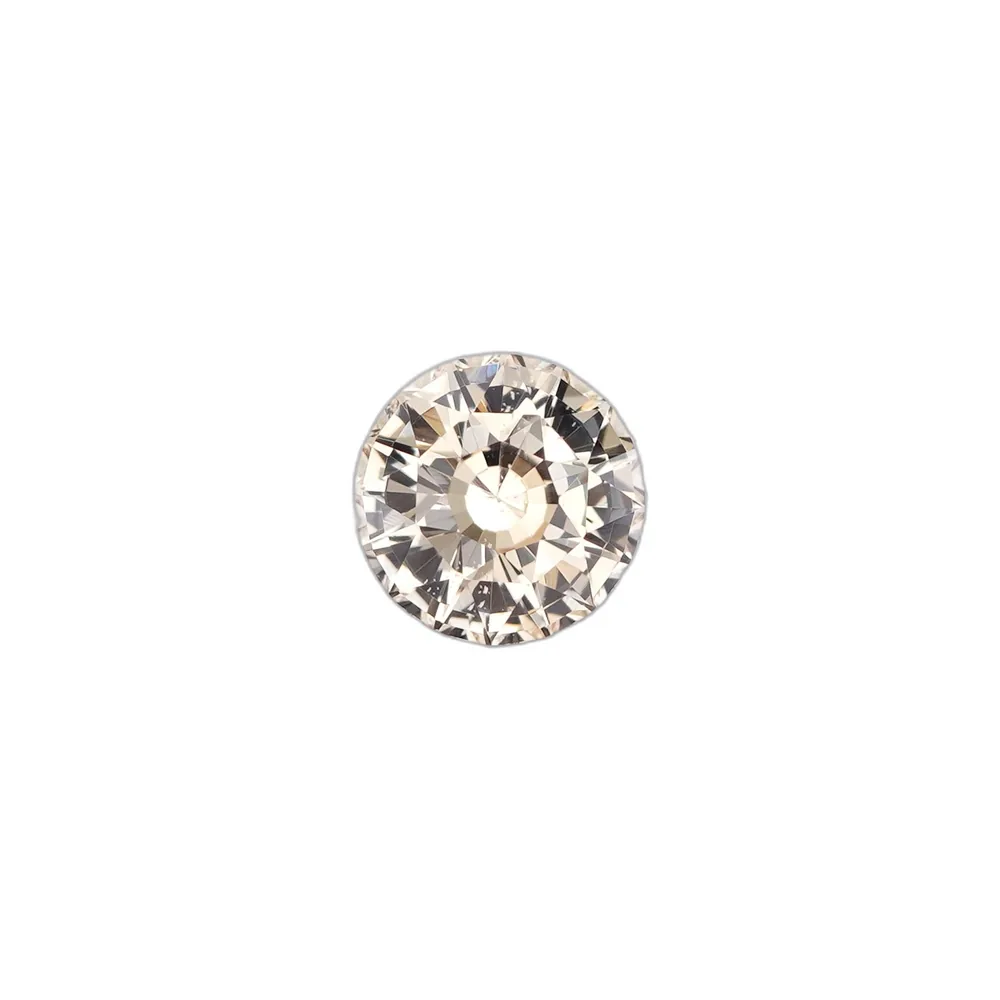
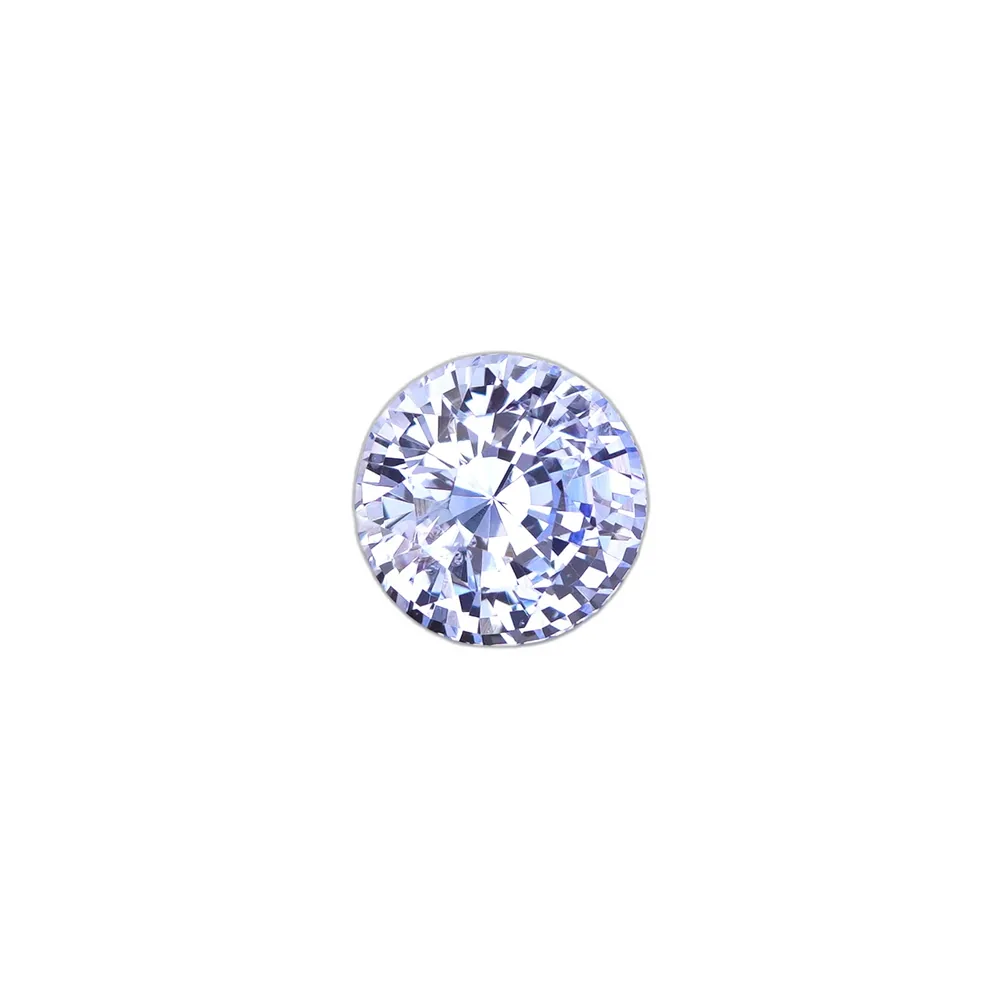
These are the five criteria that define investment-grade sapphire: unheated, lab certified with origin confirmation, premium origin, minimum 1 carat, and investment-grade colour. We disclose origin and treatment status against that checklist for every stone, and arrange GRS/Gübelin/GIA certification on request. Applied honestly, that checklist rules out most of what is on the shelf: the vault is Ceylon, and all but one of the sapphires in it are heated. The exception is SPH-016 Soft Peach Round · 1.56ct · unheated · $175. If you are buying to the five criteria above, the route is sourcing rather than stock — tell us origin, size and budget and we go and find it. The shelf stock is for colour and wearability: see Ceylon Sapphires for the full group, which runs 1.53 to 7.36 carats and $175 to $6,875 (SPH-005 Cornflower Blue · 5.55ct). Everything carries our 12-month buyback guarantee.
RELATED GUIDES
RELATED ARTICLES
SOURCED TO ORDER
Looking for an investment-grade sapphire?
We don't hold an investment-grade sapphire in the vault — the collection is Ceylon. But sourcing is what we do: tell us the colour, size and budget you're after and we'll go and find it, with the same 14-day return and 12-month buyback as anything on the shelf.