 SAPPHIRE BANK
BUY INVESTMENT-GRADE SAPPHIRES
Sapphires have commanded a premium among collectors and investors for centuries. Today, with supply from the world's finest deposits at all-time lows and demand from Asia accelerating, the case for owning a certified, unheated sapphire has never been stronger. The Sapphire Bank sources stones directly at origin and curates them for serious investors worldwide.
WHY SAPPHIRES ARE INVESTMENT-GRADE
Constrained Supply: The world's most prized sapphire deposits — Kashmir, Burma, and historic Ceylon — produce only a fraction of what they once did. Kashmir has been effectively dormant since the 1880s. This scarcity is permanent, not cyclical.
Universal Demand: Sapphires are the most traded colored gemstone in the world. Dealer networks, auction houses, and private collectors across every continent actively seek fine specimens. Liquidity, while not instant, is the strongest of any colored stone category.
Track Record: Top-quality Kashmir and Burma sapphires have outperformed gold on a per-carat basis over multi-decade periods. A stone that cost $5,000/ct in 2000 can fetch $30,000–$80,000/ct today at major auction houses — depending on origin, size, and certification.
Certification Clarity: Unlike many other asset classes, sapphire quality is rigorously verifiable by independent laboratories. A GRS "no heat" certificate eliminates ambiguity about treatment status — the single biggest value driver.
ORIGINS THAT MATTER: KASHMIR, CEYLON, BURMA
In sapphires, where a stone comes from is as important as its visual quality. Three origins dominate investment-grade pricing:
The rarest and most coveted origin. Kashmir sapphires display a distinctive velvety, cornflower-blue color caused by fine silk inclusions that scatter light. The Zanskar Range deposit in the Himalayas has been inaccessible for commercial mining since the late 1800s. A GRS-certified Kashmir sapphire commands the highest price premiums of any colored gemstone in the world — often 5–10× equivalent Ceylon stones. See our SPH-003 Midnight Kashmir · 4.05ct Deep Vivid Blue.
Ceylon has produced fine sapphires for over 2,000 years and remains the world's most important source of large, high-quality stones. Ceylon sapphires range from vivid royal blue to soft cornflower, with exceptional transparency. The "Ceylon" origin designation carries a meaningful premium over stones from Madagascar or other commercial sources, particularly for unheated specimens. For an example of investment-grade cornflower blue from Ceylon, see our SPH-005 Cornflower Blue Sapphire · 5.55ct.
Burma is best known for rubies, but also produces exceptional blue sapphires and some of the finest padparadscha stones. Burmese sapphires tend toward a rich, saturated royal blue. Like Kashmir, supply is highly constrained due to political instability in the Mogok mining region. GRS Burma-origin certification significantly increases investment value.
GRS AND GIA CERTIFICATION
For investment-grade sapphires, certification is non-negotiable. It is the difference between a stone you can sell globally and one you cannot.
The industry gold standard for origin determination and treatment disclosure. GRS certificates are accepted by every major auction house (Christie's, Sotheby's, Bonhams). The GRS "no heat" designation commands the highest premium in the market. GRS is headquartered in Lucerne, Switzerland.
GIA is the world's most recognized gemological authority. Their colored stone reports provide authoritative treatment and origin analysis widely accepted in auction and trade markets globally.
Swiss laboratories equally trusted in the premium market, often used alongside GRS for double-certification of high-value pieces.
Any sapphire in The Sapphire Bank's collection can be sent for one of these certifications on request at purchase.
PRICE TRENDS
Sapphire prices at the top end of the quality spectrum have shown consistent appreciation over the past two decades, outpacing most traditional asset classes:
Prices based on auction results and private market data through 2024. Per-carat values increase non-linearly with size for exceptional specimens.
AMSTERDAM: EUROPE'S GEMSTONE HUB
The Sapphire Bank is based in Amsterdam, one of Europe's most important gemstone trading centers with a diamond and colored stone tradition dating back to the Dutch Golden Age. Amsterdam's legal and financial infrastructure makes it an ideal base for serious gemstone transactions within the EU.
Operating under Coincorp B.V. (KvK 65658434), we provide full legal documentation for every transaction — essential for insurance, estate planning, and eventual resale. With offices in Amsterdam and Ceylon, we source stones directly at origin and sell to buyers across Europe and beyond.
For European buyers, purchasing from an Amsterdam-based company simplifies VAT treatment and eliminates cross-border customs complexity for EU residents.
FREQUENTLY ASKED QUESTIONS
What makes a sapphire "investment grade" as opposed to a decorative stone?
An investment-grade sapphire must meet five criteria: unheated (no indications of heating on certificate), certified by GRS, Gübelin, or GIA with origin confirmation, premium origin (Ceylon, Burma, or Kashmir), minimum 1 carat weight, and investment-grade color — medium to strong vivid blue without grey modifiers. All five must hold simultaneously.
How much has sapphire appreciated as an investment over the past 20 years?
Top Kashmir and Burma sapphires have outperformed gold on a per-carat basis over multi-decade periods. A quality stone priced at $5,000/ct in 2000 typically fetches $30,000–80,000/ct today at major auction houses. Appreciation is most pronounced for unheated material from premium origins, where supply is permanently constrained.
Which sapphire origin offers the best balance of value and accessibility?
Ceylon offers the most accessible entry into investment-grade sapphires. Certified unheated cornflower blue Ceylon sapphires in the 3–7 carat range trade at $8,000–30,000/ct — meaningful appreciation potential without the six-figure commitment Kashmir requires. Ceylon also has the deepest global liquidity of any sapphire origin.
What is the difference between a heated and unheated sapphire for investment?
Approximately 95% of commercial sapphires are heat treated to improve color and clarity. Unheated sapphires — which achieved their color naturally — command 2–5× premiums over heated equivalents. Unheated status is confirmed by GRS or GIA certification and is the single most important factor for investment-grade qualification.
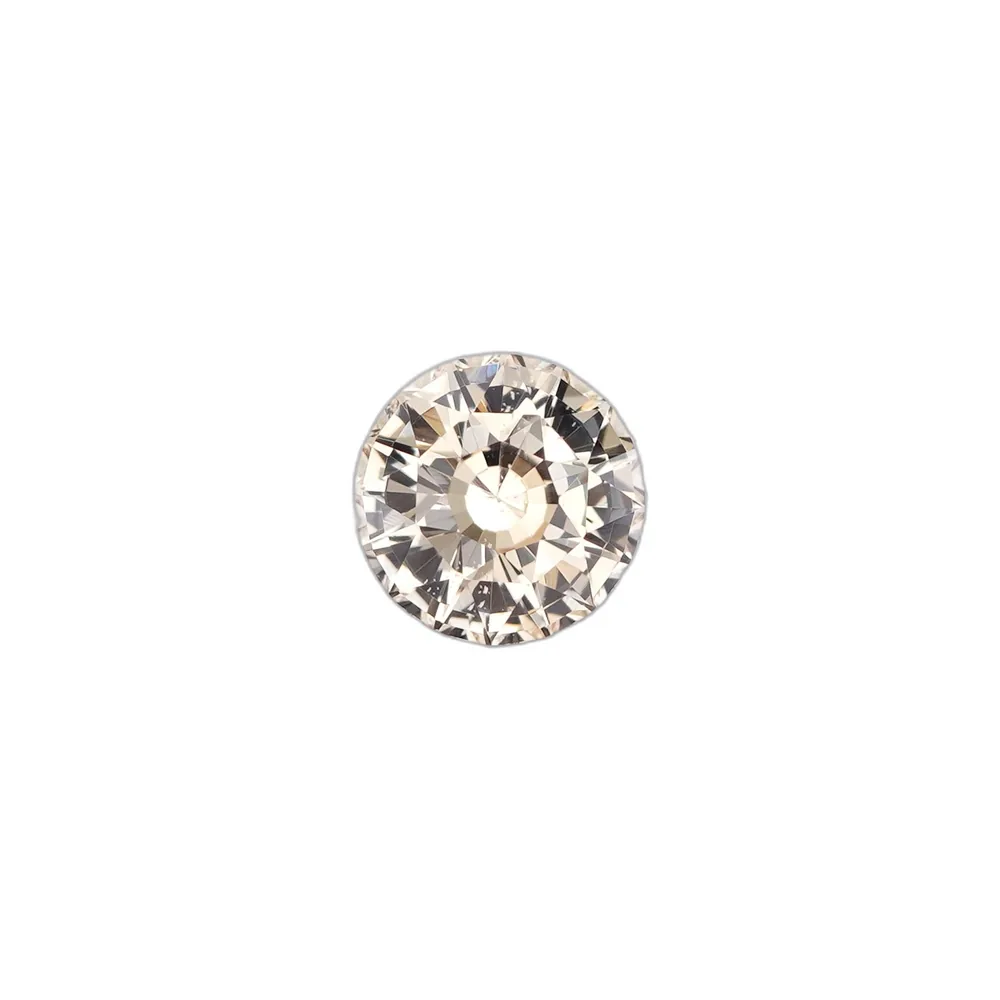
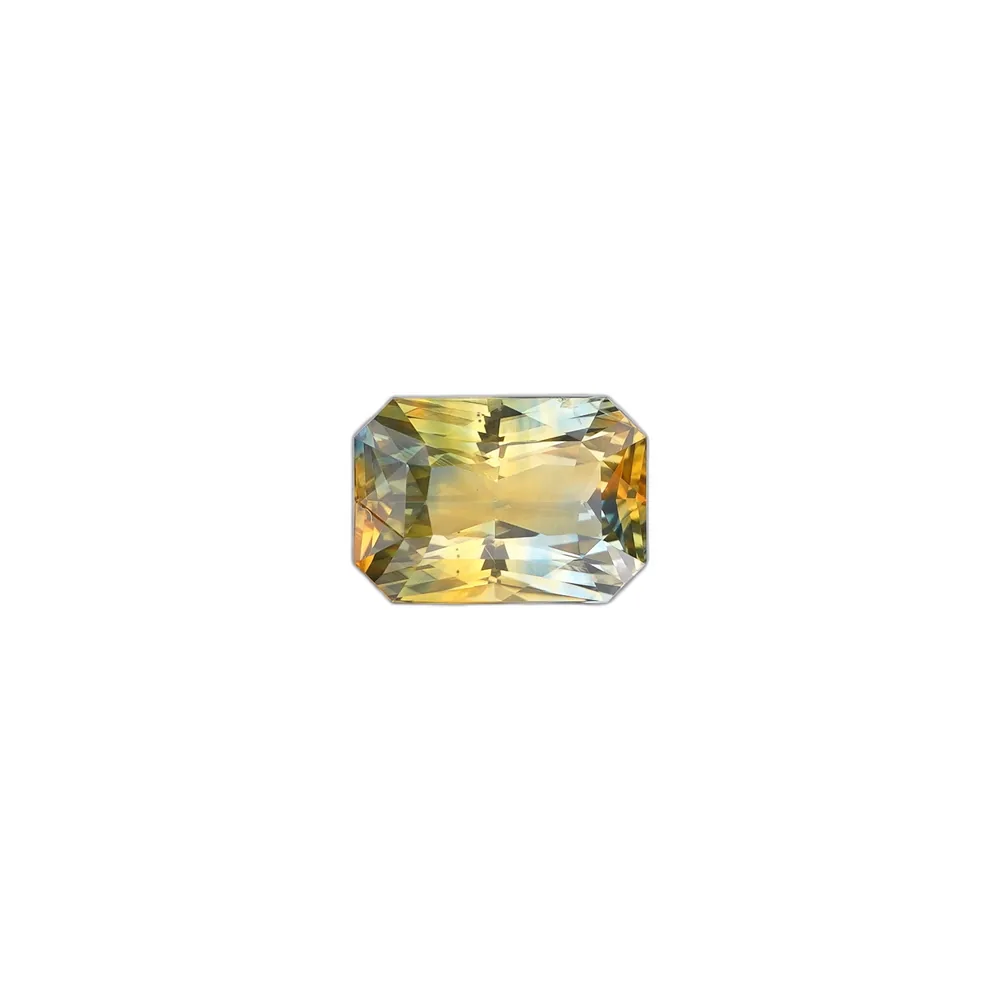
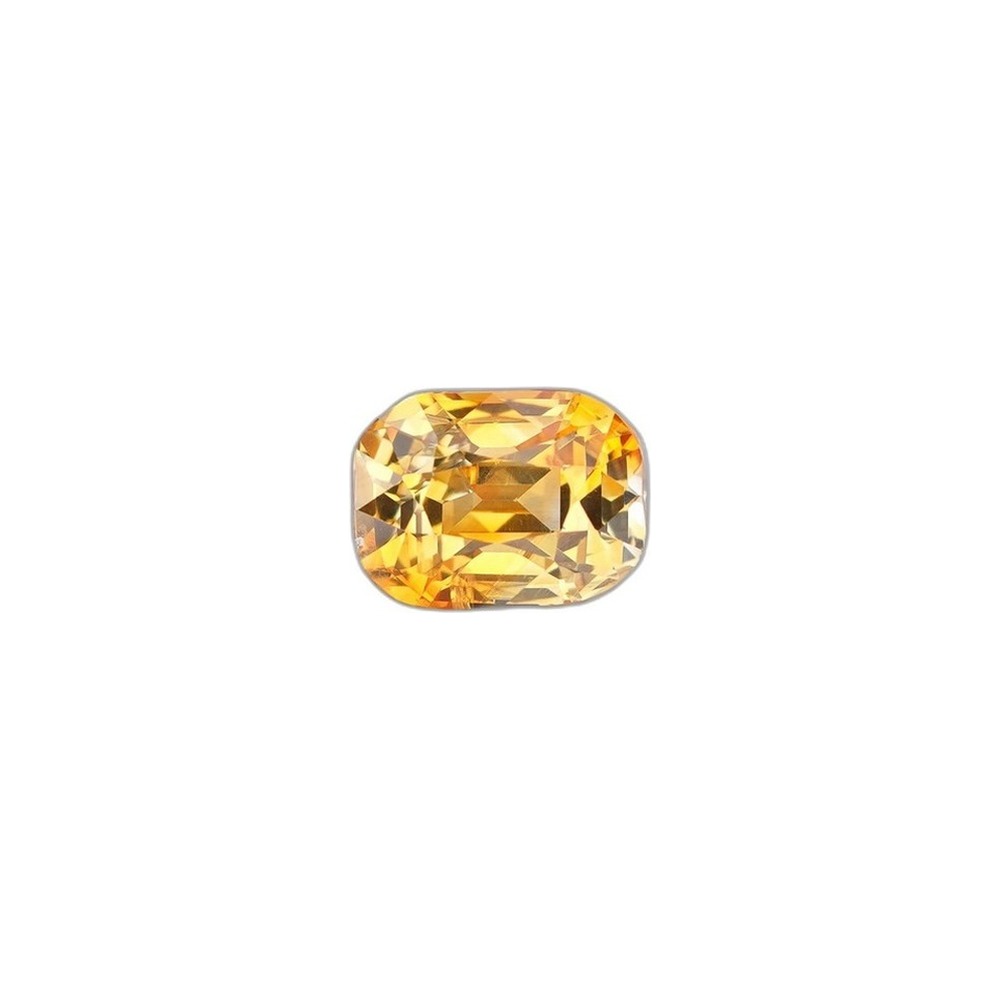
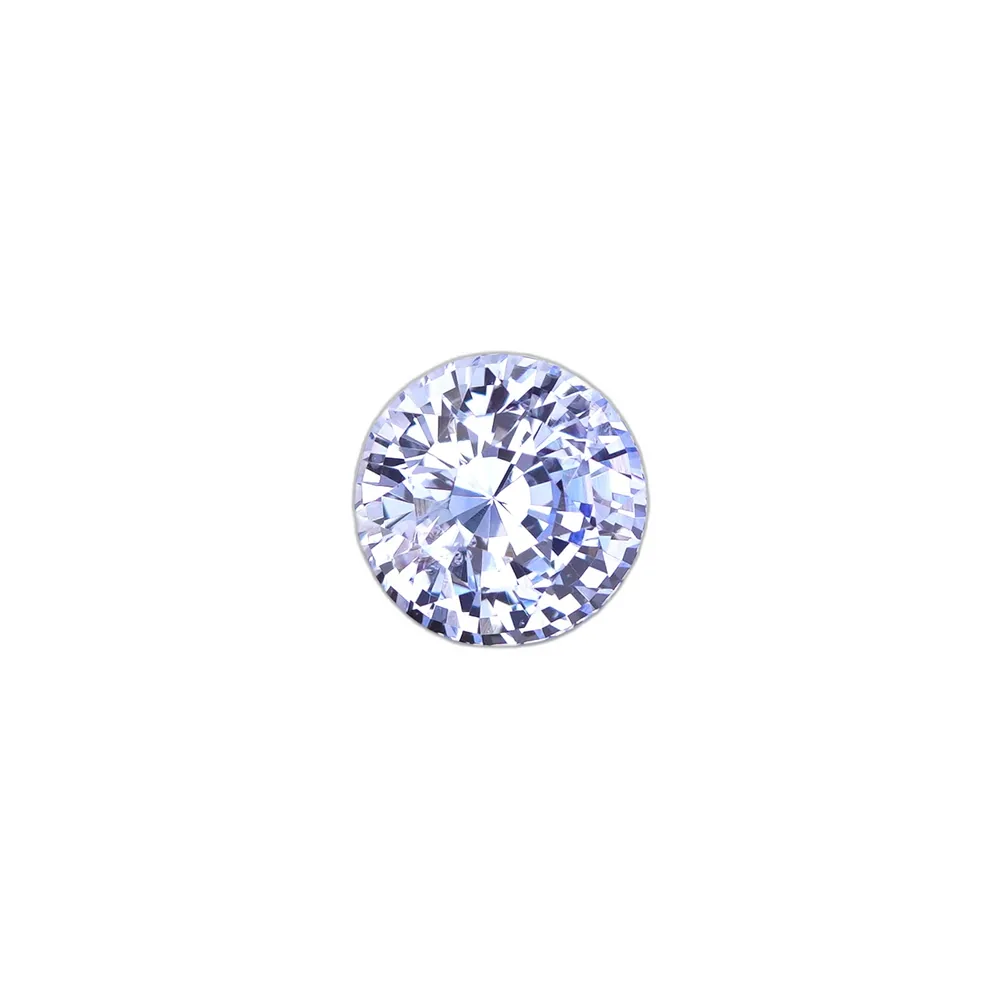
BROWSE OUR SAPPHIRE COLLECTION
Every sapphire in our collection is photographed in detail, offered with GRS or GIA certification on request, and backed by our 12-month buyback guarantee. Browse current availability or contact us to discuss specific requirements.