 SAPPHIRE BANK
BLUE SAPPHIRE COLOR GRADES
Unlike diamonds, where grading follows a standardized D-to-Z scale, colored gemstones are assessed using a combination of scientific colorimetry and qualitative descriptors developed by the leading labs. For blue sapphires, the GRS terms "royal blue" and "cornflower blue" are not marketing labels — they are specific color designations that appear on certificates and directly determine what a stone is worth.
THE THREE DIMENSIONS OF COLOR
All color assessment for colored gemstones starts with three dimensions: hue, tone, and saturation. Understanding these is prerequisite to understanding why one blue sapphire costs $3,000 per carat and another costs $30,000.
Stones that fall outside the optimal range in any dimension are worth significantly less. A stone that is too dark (tone above 80%) loses brilliance and appears nearly black in some lighting. A stone with too much gray saturation modifier appears dull. A stone with too much green or violet secondary hue moves away from the pure blue that the market values most.
GRS COLOR GRADES EXPLAINED
GRS uses qualitative color terms on its certificates that have been adopted as de facto industry standards. These terms appear directly on the certificate and are understood by auction house specialists, dealers, and sophisticated collectors worldwide.
ROYAL BLUE: THE BENCHMARK
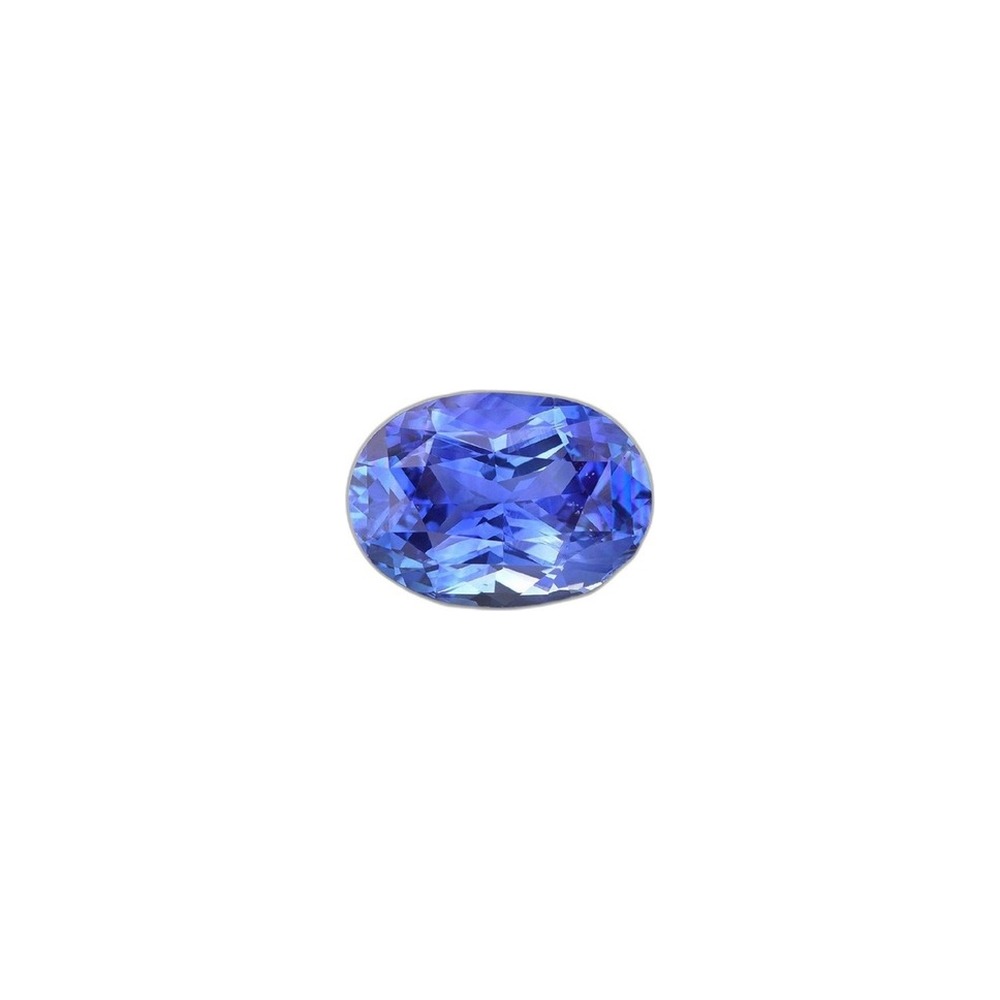
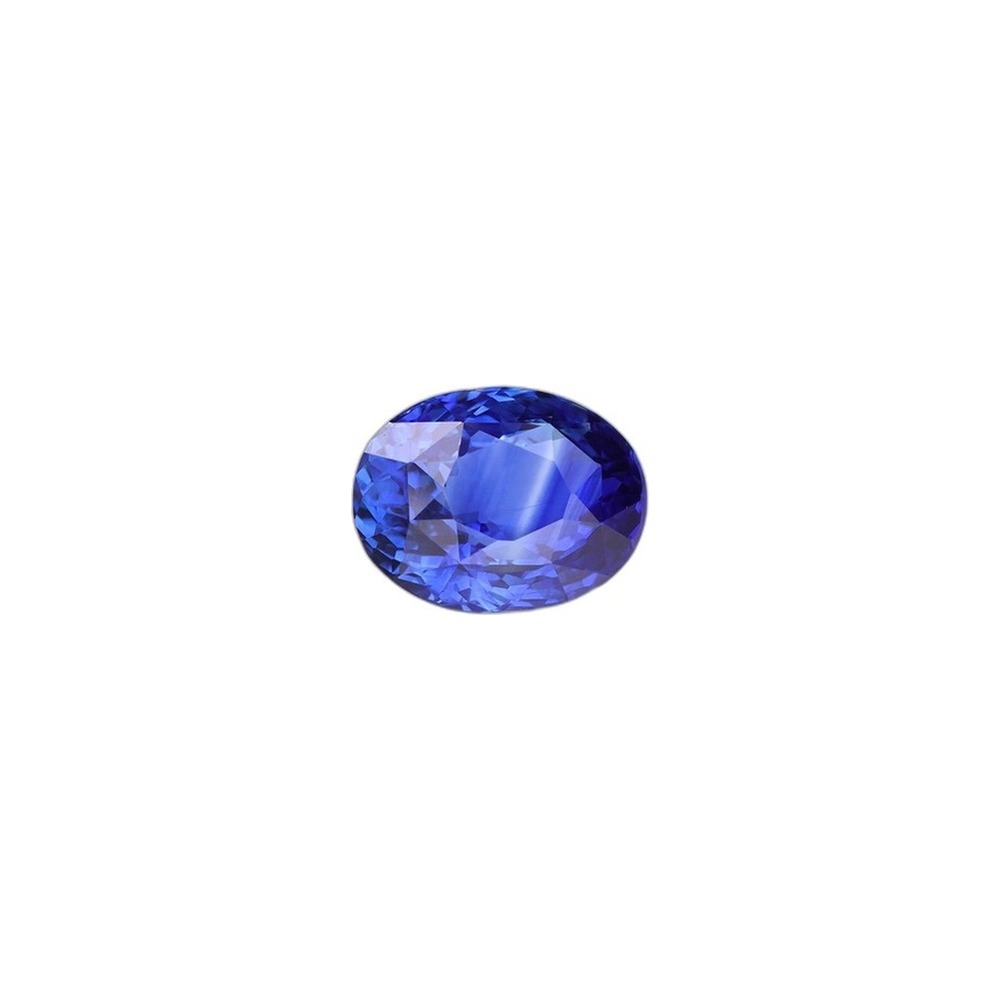
"Royal blue" is the highest color designation GRS awards to blue sapphires. The term describes a deep, saturated blue with a slightly violet secondary hue, a tone in the medium-dark range (approximately 70–80% on gemological tone scales), and vivid saturation with minimal gray modifier.
The visual effect is a blue that appears intense and velvety — it has depth without appearing dark or opaque. In fine examples, particularly Kashmir and Burma sapphires, the royal blue grade corresponds to a quality of light interaction that is almost impossible to describe verbally but immediately recognizable to experienced eyes.
Royal blue stones command premiums because supply is genuinely constrained. Most sapphires — even from premier origins — do not achieve the color combination required. Of all Ceylon sapphires brought to market in a given year, perhaps 5–10% qualify for the royal blue designation at GRS. The proportion is higher for Burma material and essentially universal for Kashmir (which produces royal blue almost exclusively), but those origins have their own supply constraints.
CORNFLOWER BLUE: THE CEYLON CLASSIC
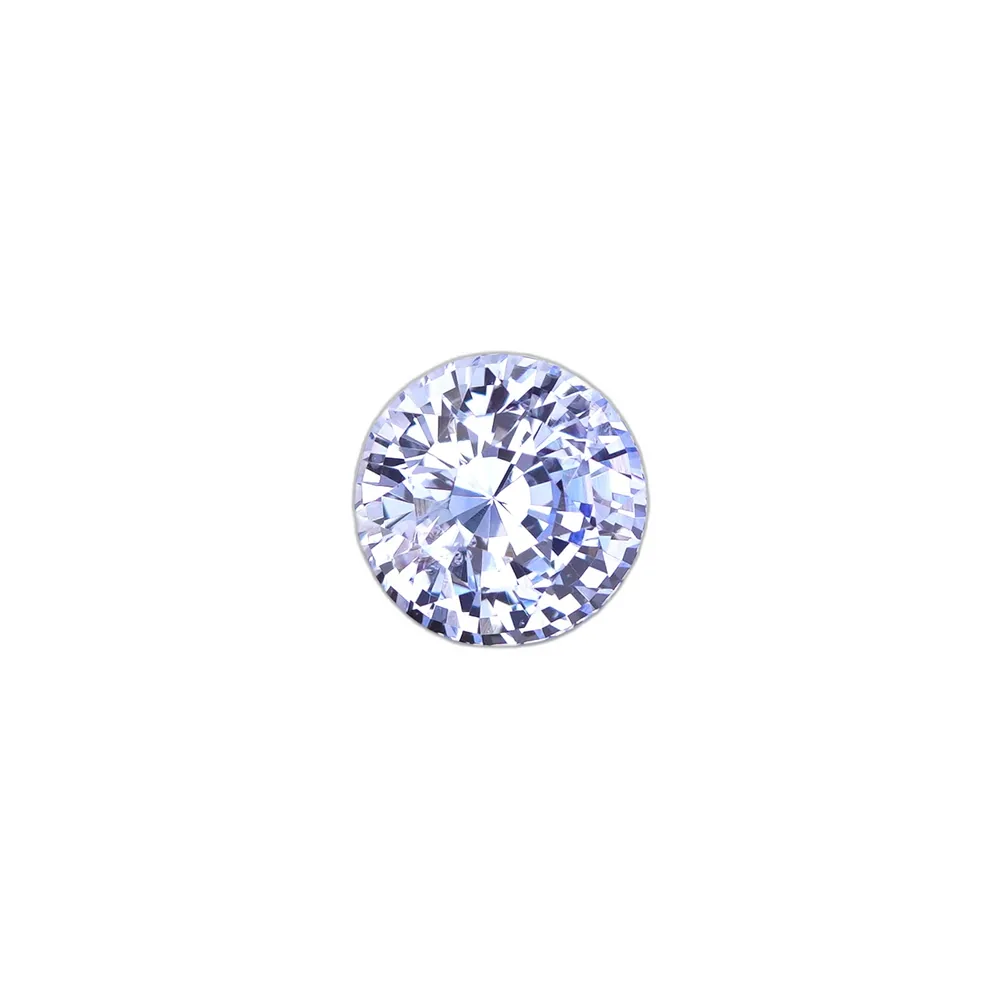
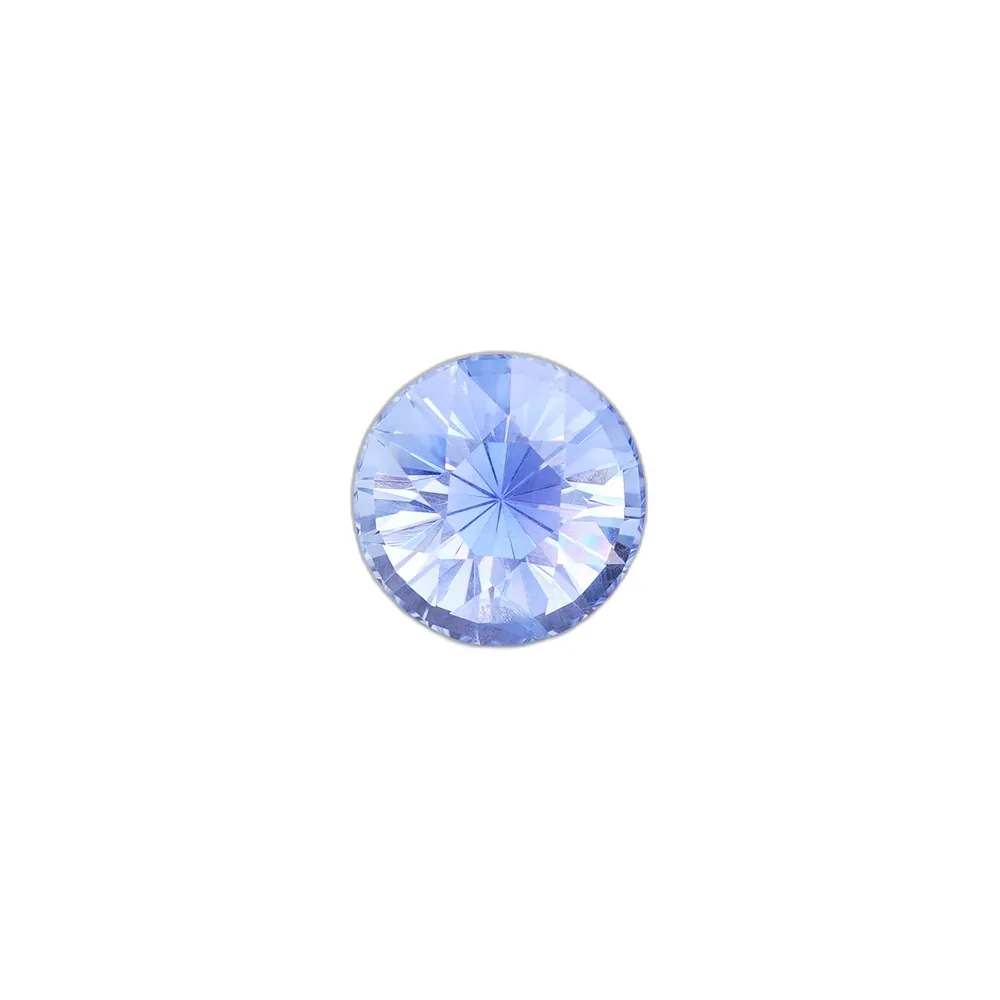
Cornflower blue is associated specifically with the finest Ceylon sapphires. It describes a lighter, brighter blue than royal blue — medium rather than medium-dark tone, equally saturated, and with a purity and clarity of color that is the hallmark of Ceylonese production.
Historically, the cornflower blue descriptor was used loosely in the trade to describe any fine light-medium blue sapphire. GRS has formalized it as a specific color grade, and stones that receive this designation command premiums over generic "blue" grades — though typically less than royal blue.
For buyers who find royal blue too dark (it can appear heavy in certain jewelry settings), cornflower blue represents the ideal balance of brightness and saturation. Many buyers prefer cornflower blue for engagement rings and jewelry precisely because it performs better in gold and platinum settings under mixed lighting.
HOW COLOR GRADE AFFECTS PRICE IN PRACTICE
The following illustrates how color grade interacts with origin and treatment to determine price for a 3-carat Ceylon sapphire with GRS certificate:
These are illustrative estimates. Actual prices depend on clarity, cut, precise color within grade, and market conditions at time of sale. But the table illustrates the magnitude of color grade impact — a royal blue and a light blue 3-carat Ceylon unheated sapphire differ by roughly 10× in price.
READING COLOR ON A CERTIFICATE
On a GRS certificate, color information appears in multiple fields. The key ones to examine are:
Color (description): This is where the qualitative grade appears — "royal blue," "cornflower blue," etc. This is the most commercially significant field.
Colour (technical): GRS also includes a Munsell or proprietary notation describing hue, tone, and saturation numerically. This allows direct comparison between stones.
Photo: The certificate photo shows the stone under standardized lighting. While photos are not perfect color references (monitor calibration affects what you see), they provide a useful sanity check against the description.
FREQUENTLY ASKED QUESTIONS
What is the difference between royal blue and cornflower blue sapphire?
Royal blue is deep, velvety, and medium-dark in tone — the highest GRS color grade commanding 30–60% premiums. Cornflower blue is brighter and medium-light, the classic Ceylon look preferred for jewelry settings.
How much does GRS color grade affect sapphire price?
Dramatically. A 3-carat unheated Ceylon royal blue can reach $50,000–90,000/ct while light blue of the same origin sells for $3,000–8,000/ct — roughly a 10× price difference driven by color grade alone.
Does a greenish-blue modifier hurt sapphire value?
Yes. A greenish-blue hue modifier reduces sapphire value by 10–25% versus pure blue of equivalent quality, because the market prices pure blue hue most highly.
How do I read color information on a GRS certificate?
Look for the qualitative color descriptor (royal blue, cornflower blue) in the Color field — this is the most commercially significant designation. The technical Munsell notation provides a secondary numerical reference.
RELATED GUIDES
BROWSE BY COLOR GRADE
We state the colour grade for every sapphire in the inventory, and arrange a GRS certificate on request at purchase. Browse the collection and filter by the colour grade that matters to you.
VIEW SAPPHIRES