 SAPPHIRE BANK
WHERE DO THE BEST SAPPHIRES COME FROM? TOP 5 ORIGINS RANKED 2026
The finest sapphires in the world come from three origins: Kashmir, Burma, and Ceylon. Kashmir is the rarest — the Himalayan deposit was exhausted around 1900 — and commands $50,000–$200,000+ per carat at major auctions. Burma produces the deepest royal blue colour. Ceylon offers the best combination of quality and market liquidity. Below, all five important origins are ranked by color quality, scarcity, and 2026 prices.
QUICK ANSWER
The best sapphires in the world come from Kashmir (India), Burma (Myanmar), and Ceylon.
- #1 Kashmir — rarest origin, mines exhausted since ~1900, $50,000–$200,000+/ct
- #2 Burma — deep royal blue, 1.5–3× premium over Ceylon, geopolitical supply constraints
- #3 Ceylon — most liquid market, $3,000–$25,000/ct, best entry point for investors
- #4 Madagascar — high volume, no origin premium, selective investment grade at 5ct+
- #5 Montana (USA) — American provenance niche, specialist buyer base only
WHY ORIGIN MATTERS FOR INVESTMENT
Sapphires form in very specific geological conditions. A cornflower-blue stone from the ancient river gravels of Ceylon tells a geological story that a stone from a new Madagascar deposit cannot replicate — and the market prices that story accordingly.
For investment-grade stones, origin is documented on the certificate from a leading lab such as GRS or Gübelin. The lab examines inclusions, trace element chemistry, and growth patterns to determine geographic provenance. Without a lab-confirmed origin, origin claims are unverifiable and command no premium at resale.
The five origins below have established, decades-long track records in the collector and auction market. They are not the only sources of fine sapphires — but they are the ones that consistently command investment-grade premiums.
ORIGIN COMPARISON AT A GLANCE
Price ranges for investment-grade, unheated stones with top lab certificates. Commercial quality is significantly lower.
#1 — KASHMIR
Kashmir sapphires are the undisputed apex of the sapphire market. Mined from a single high-altitude deposit in the Zanskar range of northern India between approximately 1881 and 1925, the mines have been effectively exhausted for over a century. No new Kashmir sapphires enter the market — only circulation of existing stones.
The color — a velvety, cornflower blue with a soft, almost milky luminosity — is unlike any other origin. The characteristic “sleepy” quality is caused by fine silk inclusions that scatter light without diminishing transparency. Collectors recognize the look immediately. Labs confirm it through trace element analysis.
Investment case: Fixed supply plus growing global demand (particularly from Asian collectors) has driven Kashmir prices to extraordinary levels. A 5-carat unheated Kashmir with GRS or Gübelin certification can exceed $1 million. The world record price per carat for a sapphire belongs to Kashmir at over $242,000/ct. No other origin approaches this.
Who should buy: Investors with budgets above $100,000 per stone and long-term hold horizons (10+ years). Kashmir is illiquid at lower price points because the genuine article is genuinely rare. Beware misrepresentation — Kashmir certification fraud exists; insist on GRS or Gübelin with the specific “Kashmir” origin conclusion.
See our full guide: Kashmir Sapphire Price Per Carat
#2 — BURMA (MOGOK)
Burma sapphires from the Mogok Stone Tract are the second-most prestigious origin on the market. Mogok has produced fine gemstones for over 600 years — rubies and sapphires that defined what “precious” meant before modern gemology existed.
The finest Mogok sapphires display a deep royal blue — richer and more vivid than Kashmir's velvety tone, but similarly coveted. Burma material tends toward higher saturation; Kashmir toward softer luminosity. Both are prized, for different reasons.
Investment case: Burma sapphires trade at a 1.5–3× premium over equivalent Ceylon material. The geopolitical situation in Myanmar (Burma) has complicated mining operations and export, which constrains future supply. Existing certified Burma material appreciates as new stones become harder to source. Auction performance is strong, particularly in Hong Kong and Geneva.
Who should buy: Investors seeking strong origin premiums below the Kashmir price point. A quality 2–3 carat unheated Burma sapphire at $8,000–$15,000/ct offers meaningful upside with better liquidity than Kashmir.
Caution: Political sanctions on Myanmar affect importation in some jurisdictions (the US Tariff Act bans Burmese gemstone imports in certain contexts). Check import regulations if buying for resale in the US market.
#3 — CEYLON
Ceylon is the baseline investment origin — the most liquid, most available, and most accessible entry point into sapphire investing. Ceylon's Ratnapura district has produced continuous sapphire output for over 2,000 years. This is not going to stop.
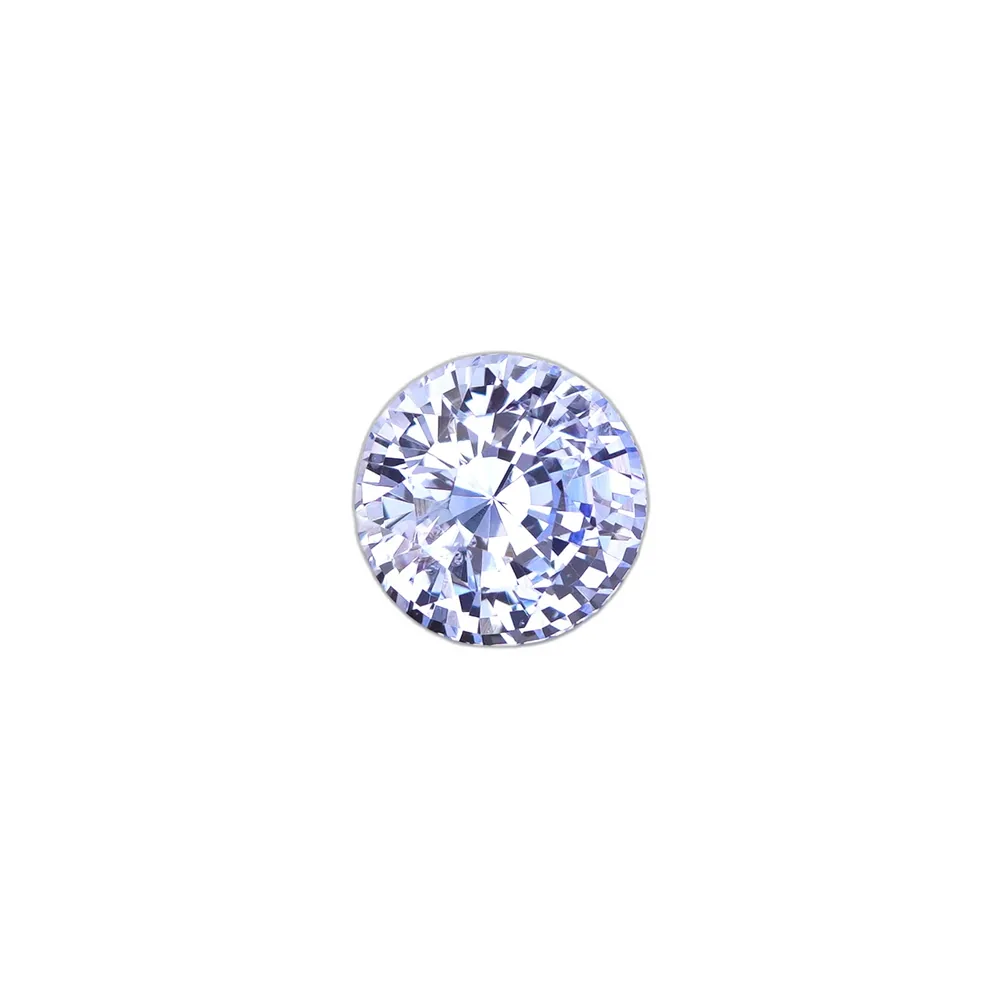
Ceylon sapphires range from pale sky blue to intense cornflower blue, with the most valuable material showing vivid medium-to-strong blue with excellent transparency. The color is often described as “bright” compared to Kashmir's “sleepy” quality — a different aesthetic rather than an inferior one.
Investment case: Ceylon is the deepest and most liquid market in sapphires. Christie's, Sotheby's, and Bonhams include Ceylon sapphires in virtually every major jewelry auction. The buyer pool is global and well-established. For investors who prioritize exit flexibility, Ceylon provides what no other origin can match.
Fine unheated Ceylon sapphires (3+ carats, GRS or GIA certified) have appreciated 40–80% over the past 15 years at the investment tier. They are not a path to extraordinary returns, but they are a proven store of value with predictable liquidity.
Who should buy: Almost any investor entering the sapphire market for the first time. Budget of $5,000–$50,000 per stone. First priority: unheated status confirmed by GRS or GIA. Second priority: 3+ carats.
See our full guide: Ceylon Sapphire Buying Guide
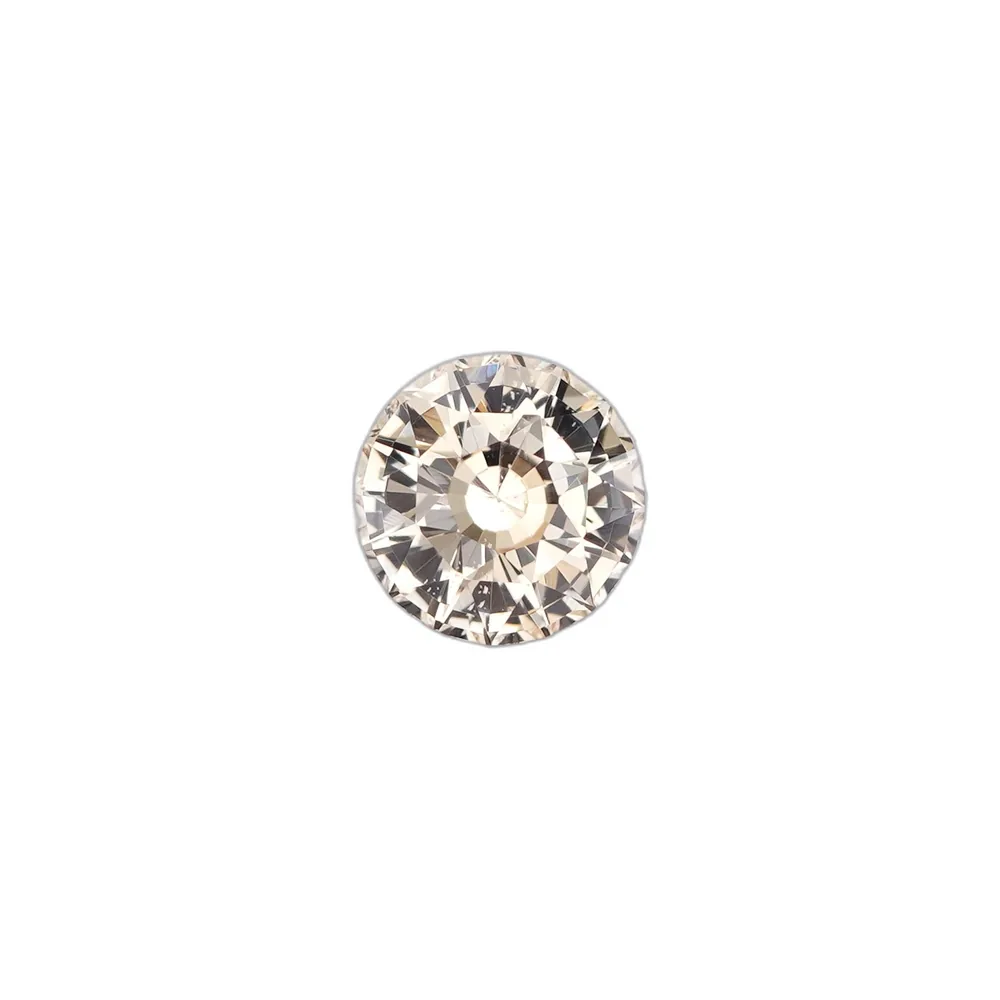
What we hold: Ceylon is the only origin on this list the vault actually carries. Stock currently runs 1.5 to 7.4 carats, with treatment disclosed on every stone and certification arranged on request — for example SPH-004 Oval Blue · 7.36ct · $6,250 at $849 per carat, or SPH-005 Cornflower Blue · 5.55ct · $6,875. See the full group: Ceylon Sapphires.
#4 — MADAGASCAR
Madagascar entered the sapphire world in force during the 1990s and has since become the world's largest source of sapphire by volume. The Ilakaka and Andranondambo deposits produce an enormous range of material — from low commercial quality to genuinely fine stones that rival Ceylon at the top end.
Here is the nuance: Madagascar material is not one category. Large stones (5+ carats) of high quality with GRS “no heat” certification have sold at auction for strong prices. But the sheer volume of Madagascar output has compressed the mid-market. A 2-carat Madagascar sapphire at commercial quality is worth significantly less than a comparable Ceylon stone.
Investment case: Selective and size-dependent. For large (5+ carat), top-quality, unheated Madagascar stones with excellent color, the investment case is real — the price per carat remains below equivalent Ceylon, creating potential for convergence. For small or commercial material, Madagascar is not investment-grade.
Who should buy: Sophisticated buyers who understand the quality stratification and can source genuinely exceptional Madagascar material. Not recommended as a first investment or for buyers who cannot evaluate quality critically.
#5 — MONTANA (UNITED STATES)
Montana occupies a unique position: it is not a prestige investment origin like Kashmir or Burma, but it holds a niche that no other origin fills — American provenance. Yogo Gulch sapphires (Judith Basin County) are particularly sought by US collectors who prize “Made in America” gemstones.
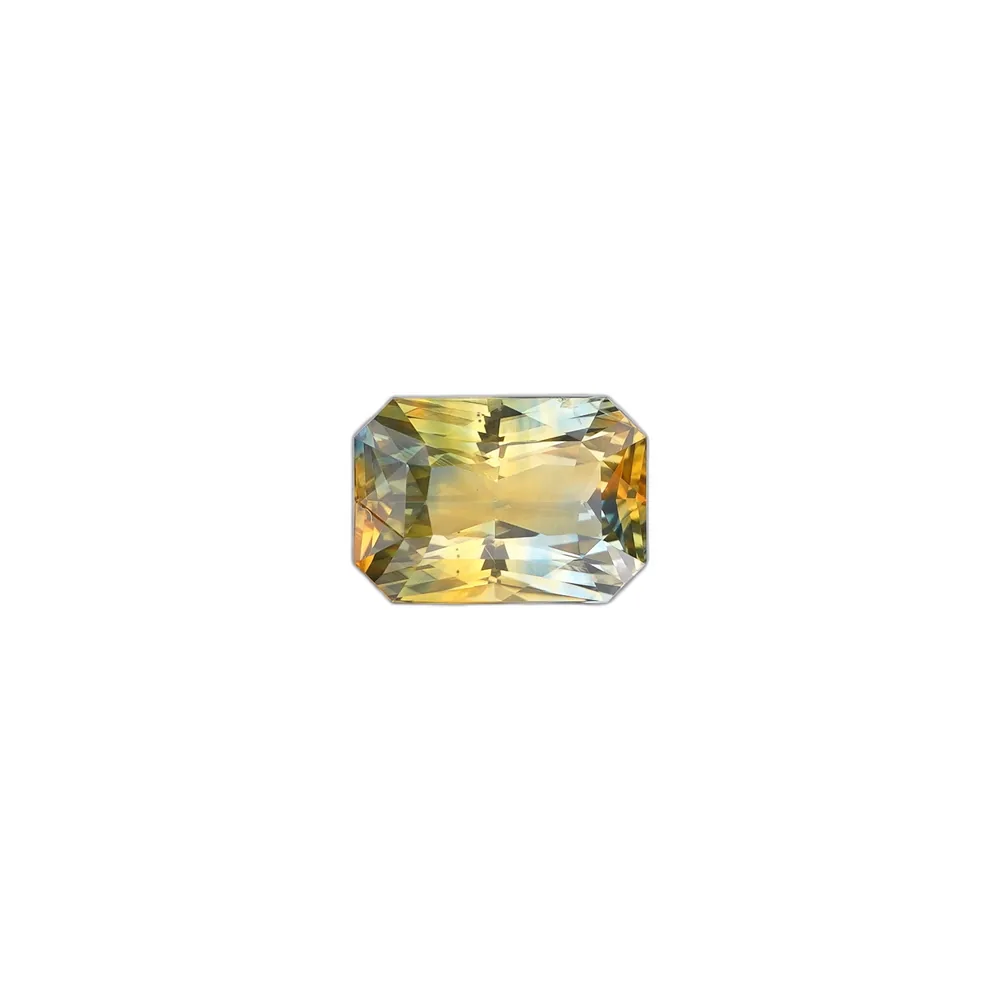
Montana sapphires display distinctive colors not typical of other origins: steely blue-grey, teal, green, and parti-color (bi-colored, often blue-yellow). The palette is unconventional by traditional standards — which is exactly why a particular buyer segment finds it compelling.
Investment case: Limited and specialist. Montana sapphires are small (rarely over 1 carat in finished form from Yogo), require specialist buyers to place, and don't appear regularly at major auction houses. The appreciation has been real but driven by a narrow collector base rather than broad market demand.
Who should buy: Collectors with specific interest in American gemstone provenance. As a primary investment vehicle, Montana sapphires carry liquidity risk that Kashmir, Burma, and Ceylon do not. As a diversifier for an established collection, they add origin variety.
See our detailed guide: Montana Sapphire Guide
HONORABLE MENTIONS
Several origins command premiums in specific circumstances but did not make the top five for investment purposes:
- Tanzania (Tunduru, Umba): Fine color, modest premium, limited auction history. Growing collector interest but not yet established at institutional buyer level.
- Australia: Source of distinctive parti (bicolor) and teal sapphires with a growing niche following. See: Teal Sapphire Guide.
- Vietnam: Luc Yen deposits produce high-quality blue and purple sapphires that occasionally appear at auction. Premium over Madagascar, but well below Ceylon.
- Cambodia (Pailin): Historically important, now largely exhausted. Origin documentation complex; proceed with caution.
THE CERTIFICATE IS NON-NEGOTIABLE
Origin premiums only apply when origin is documented. A dealer's verbal claim of Kashmir or Burma origin is worth nothing at resale. The certificate from GRS, Gübelin, or GIA must explicitly state the geographic origin — not just “consistent with” but ideally a definitive conclusion.
Equally important: the certificate must address heat treatment. Unheated status (“no indications of heating”) adds 50–150% to Ceylon values and up to 400% for Burma rubies. For Kashmir, all investment stones are by convention unheated — heating a Kashmir sapphire is virtually unheard of at the top tier.
Learn more: What Is a No-Heat Certificate and Why Does It Matter?
WHERE TO START
The right origin for your portfolio depends on budget, hold horizon, and risk tolerance:
- Under $20,000: Unheated Ceylon, 2–4 carats, GRS certified. Maximum liquidity, proven market.
- $20,000–$100,000: Unheated Ceylon (larger stones) or selective unheated Burma. Higher premium, strong long-term case.
- $100,000+: Kashmir or exceptional Burma. Rare material with fixed supply and generational hold potential.
Whatever origin you choose, the rule is constant: top lab certificate, no heat, investment-grade color. Origin is a multiplier — but it amplifies quality, not compensates for its absence.
VIEW INVESTMENT-GRADE SAPPHIRES BY ORIGIN
Every sapphire in The Sapphire Bank collection carries a certificate from GRS, Gübelin, or GIA with origin documentation and full heat treatment disclosure. Browse current inventory.
FREQUENTLY ASKED QUESTIONS
Where do the best sapphires come from?
The finest sapphires historically come from three origins: Kashmir (India), Burma (Myanmar), and Ceylon. Kashmir is the rarest and most valuable, commanding $50,000–$200,000+ per carat. Burma produces deep royal blue stones with a 50–150% premium over Ceylon. Ceylon offers the best combination of quality and liquidity for investors.
Which country has the best sapphires?
Kashmir (India) produces the world's most valuable sapphires — the Himalayan deposit was exhausted around 1900, making every Kashmir sapphire over 100 years old. For accessible investment-grade sapphires, Ceylon is the top choice, with the deepest global market and strong auction liquidity.
Kashmir sapphire vs Ceylon sapphire: which is better?
Kashmir sapphires are rarer and command 3–10× the price of equivalent Ceylon stones, but Ceylon sapphires offer superior investment liquidity and broader market access. Fine unheated Ceylon cornflower blue sapphires trade at $5,000–$25,000 per carat versus $50,000–$200,000+ for Kashmir. For portfolio investment, Ceylon is often the more practical entry point.
What is the most valuable sapphire origin?
Kashmir is universally regarded as the most prestigious sapphire origin, commanding $50,000–$200,000+ per carat for fine material. The Himalayan deposit was mined between roughly 1880 and 1900 and is exhausted — every Kashmir sapphire in existence was mined over 100 years ago.
How do Ceylon sapphires compare to Kashmir?
Ceylon is the most liquid and accessible investment sapphire market. Fine unheated cornflower blue Ceylon sapphires trade at $5,000–$25,000 per carat — significant premiums, but a fraction of Kashmir prices. Ceylon offers better entry points and broader global liquidity.
What is the Burma sapphire premium?
Burma sapphires typically command a 50–150% premium over equivalent Ceylon material, driven by distinctive deep royal blue color and centuries of prestige. US sanctions on Myanmar complicate transactions for US-based buyers; European and Asian markets have fewer restrictions.
Are Madagascar sapphires investment grade?
Fine Madagascar sapphires can reach investment grade, particularly those with cornflower blue color certified by GRS. However, Madagascar carries no origin premium — pricing is based on color and quality alone. They represent value for buyers prioritizing color over origin story.
Where are the best sapphires from?
The best sapphires are from Kashmir (India), Burma (Myanmar), and Ceylon. Kashmir sapphires are the rarest and most expensive at $50,000–$200,000+ per carat. Burma commands a 1.5–3× premium over Ceylon with deep royal blue color. Ceylon produces the most accessible investment-grade sapphires at $3,000–$25,000/ct with the deepest global resale market.
Which country produces the best quality sapphires?
Kashmir (India) produces the highest-quality sapphires in the world by price and prestige — but the deposit has been exhausted since ~1900. For buyers today, Ceylon offers the best combination of quality, availability, and resale liquidity. Ceylon cornflower blue sapphires are the benchmark investment-grade stone at $5,000–$25,000/ct unheated.
What are the most prestigious sapphire mining locations?
The five most prestigious sapphire mining locations are: (1) Kashmir, India — the world's most valuable origin, mines exhausted since ~1900; (2) Mogok, Burma (Myanmar) — 600+ year history, deep royal blue; (3) Ratnapura, Ceylon — the most liquid investment market; (4) Ilakaka, Madagascar — world's largest volume source; (5) Yogo Gulch, Montana — American provenance, niche collector market.
RELATED ARTICLES
SOURCED TO ORDER
Looking for a specific origin?
We don't hold a specific origin in the vault — the collection is Ceylon. But sourcing is what we do: tell us the colour, size and budget you're after and we'll go and find it, with the same 14-day return and 12-month buyback as anything on the shelf.