 SAPPHIRE BANK
MONTANA SAPPHIRE GUIDE
Montana is the only US state that produces sapphires of gem quality. Its deposits — concentrated in the central and western parts of the state — have yielded sapphires since the 1860s, when gold miners first noticed them in alluvial gravels. Today, Montana sapphires occupy a unique niche: they are geologically distinct from Asian sapphires, display a characteristic color range that no other origin replicates, and carry the appeal of a verifiably American provenance that has growing commercial value.
YOGO GULCH VS ALLUVIAL DEPOSITS
Montana sapphires come from two distinct geological settings:
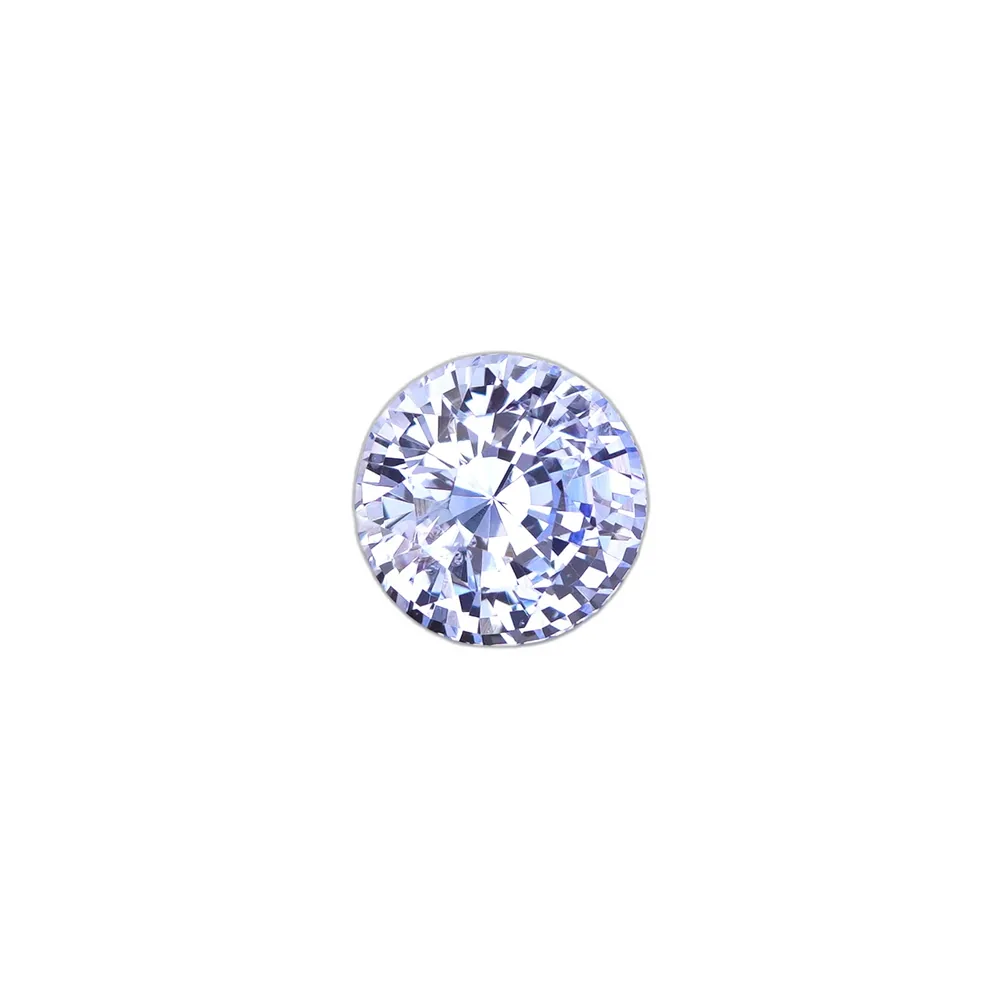
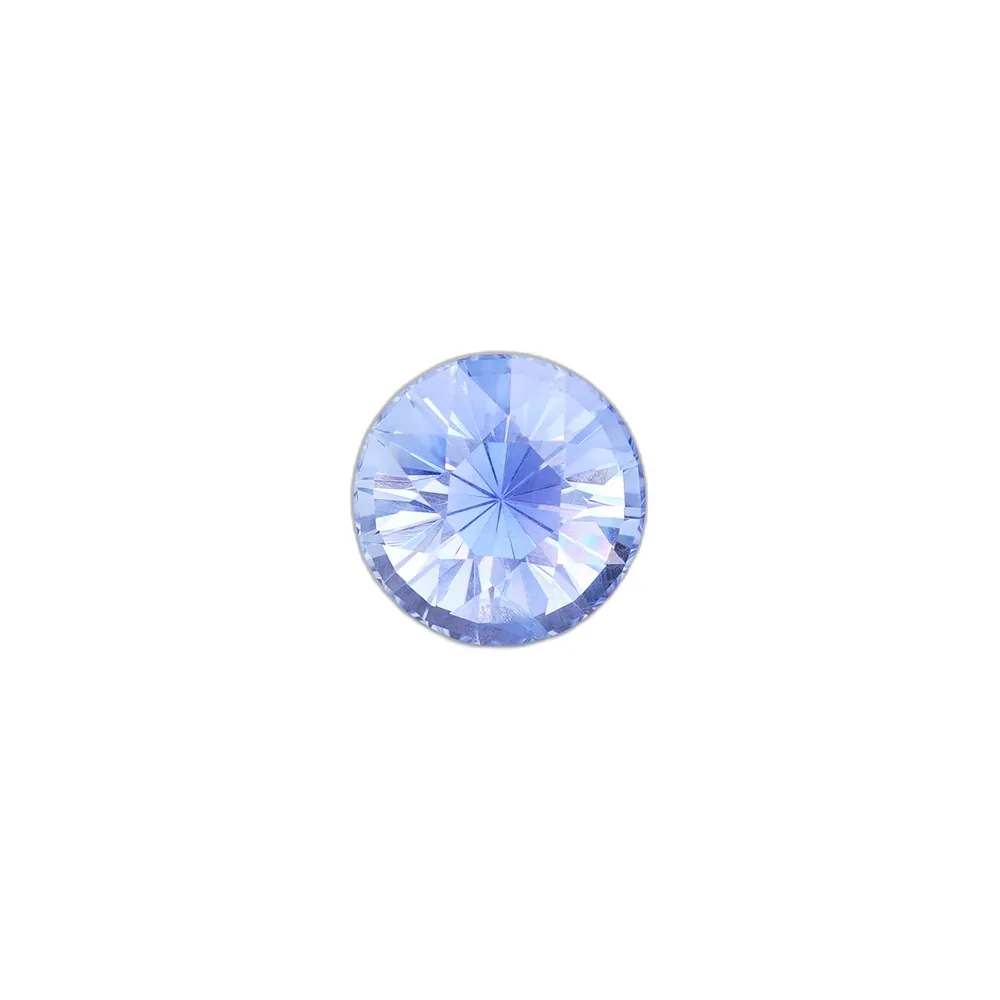
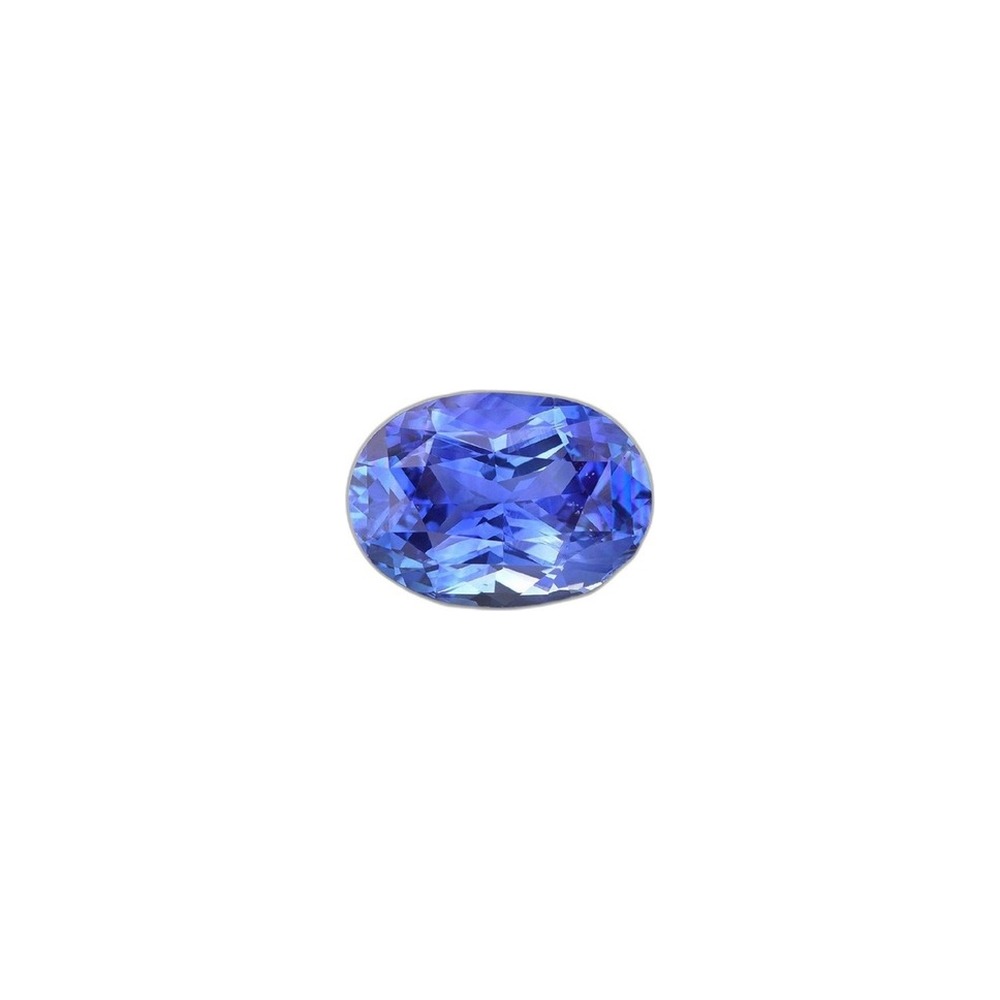
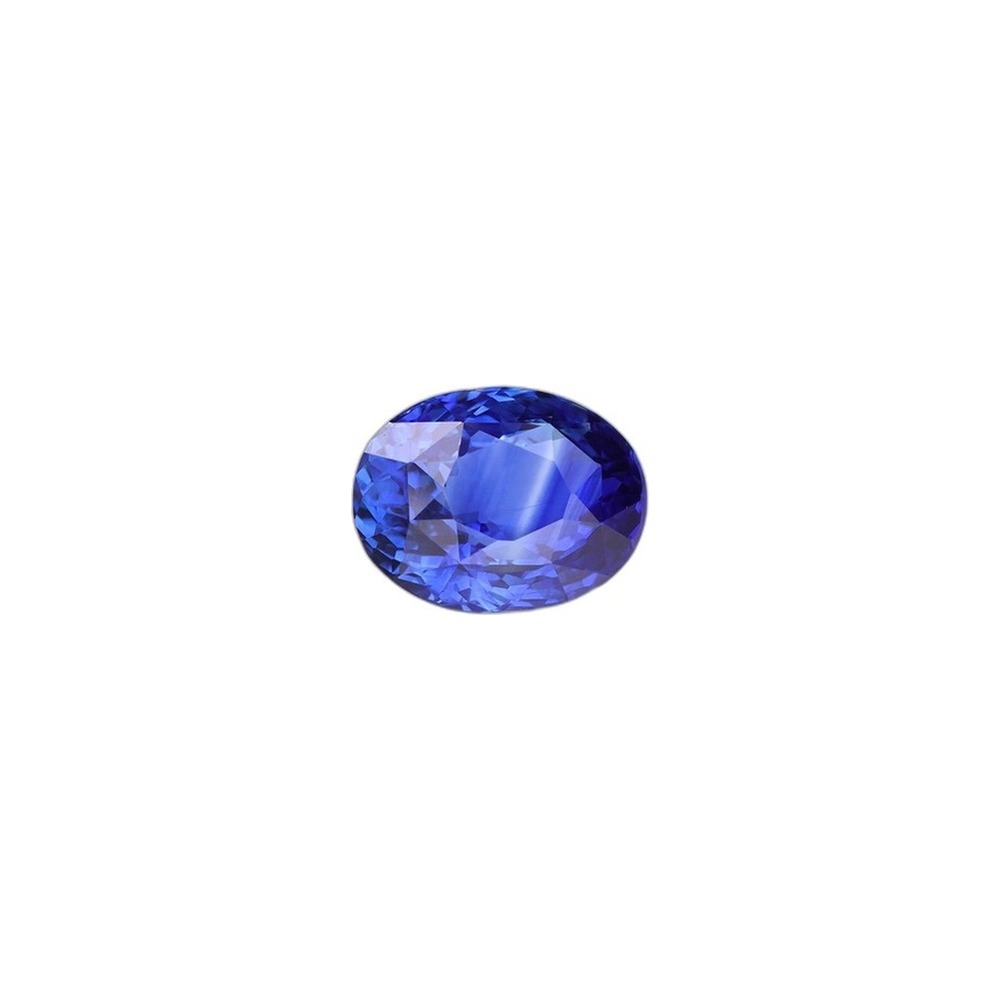
Yogo Gulch (Judith Basin County) is the most famous Montana sapphire deposit — a primary deposit in an igneous dike that has produced some of the world's finest cornflower blue sapphires. Yogo sapphires are notable for their exceptional clarity (very few inclusions), vivid cornflower blue color, and unusual character of being naturally unheated — they require no heat treatment to achieve their color. The deposit has been actively mined since the 1890s and is currently operated by several small commercial ventures.
Yogo sapphires are typically small — most finished stones weigh under 1 carat, and stones above 2 carats are rare. The deposit produces extraordinarily fine color in small sizes, and Yogo sapphires have been used by Tiffany & Co. and other prestigious jewelers for their quality.
Alluvial deposits in western Montana (Rock Creek, Dry Cottonwood Creek, Missouri River) produce a different character of sapphire. These alluvial stones are typically parti-colored (multiple color zones in a single stone), teal, green, blue-grey, or pastel pink. They are mined by small operators and are largely unheated. The color range is distinctive and has attracted strong interest from the custom jewelry market.
THE DISTINCTIVE MONTANA COLOR PALETTE
The Yogo cornflower blue is distinctively different from both Ceylon cornflower blue and Burmese blue. Experienced gemologists can identify Yogo sapphires by their characteristic blue-violet tone and exceptional clarity. This distinctiveness is part of their collector appeal.
PRICE PER CARAT
INVESTMENT POTENTIAL
Montana sapphires have two distinct investment profiles depending on the category:
Yogo Gulch sapphires have genuine investment potential. The deposit is limited and produces very small stones with exceptional color. As "American-origin" provenance becomes increasingly valued — driven by buyers who want verified domestic supply chains — Yogo material has appreciated. The very small sizes limit total dollar value per stone, but Yogo sapphires in lots or as melee have strong commercial demand from US-based jewelers.
Montana alluvial sapphires are more speculative. They have benefited from the social media-driven teal/parti sapphire trend, and Rock Creek material in particular has attracted a dedicated collector base. However, ongoing production from small-scale miners keeps supply available, limiting price appreciation at the commercial level.
The strongest investment case is in documented, certified Yogo Gulch material in larger sizes (above 0.5 carats), where genuine rarity combines with growing provenance demand. GRS can certify Montana origin explicitly.
CERTIFICATION AND PROVENANCE
GRS certifies Montana sapphires with origin determination. For Yogo Gulch material specifically, the origin determination (United States / Montana) significantly adds to resale value for buyers seeking American provenance.
Documentation of specific mining source (Yogo Gulch vs Rock Creek vs Missouri River) is valuable for collectors. When possible, obtain documentation from the miner or dealer confirming the specific Montana location within the state.
FREQUENTLY ASKED QUESTIONS
Are Montana sapphires valuable?
Yogo Gulch sapphires fetch $500–3,000 per carat for fine material. Their consistent untreated status and American provenance drive collector demand. Alluvial Montana sapphires vary more widely in color and value.
What makes Yogo Gulch sapphires special?
Yogo is the only significant US sapphire deposit, producing consistent violet-blue requiring no heat treatment. The vein is just 2–3 inches wide — extremely limited yield supports long-term scarcity.
How do Montana sapphires compare to Ceylon?
Ceylon offers larger stones, wider color range, and stronger global liquidity. Montana — especially Yogo — is smaller (rarely above 2ct) with niche American-origin appeal. Ceylon for primary investment; Montana for collectors.
Are Montana sapphires treated?
Yogo Gulch sapphires are almost universally untreated — their color is naturally vivid without heat enhancement. Montana alluvial sapphires may or may not be treated. Always request laboratory confirmation.
RELATED GUIDES
EXPLORE OUR SAPPHIRE COLLECTION
The Sapphire Bank sources sapphires from premier origins worldwide, with origin and treatment disclosed on every stone and GRS documentation available on request.
VIEW SAPPHIRES