 SAPPHIRE BANK
CEYLON VS KASHMIR SAPPHIRE
Ceylon and Kashmir represent the two most prestigious sapphire origins in the world. Between them, they have defined what a fine blue sapphire looks like for over a century. Kashmir is rarer and commands 3–5× the price of Ceylon at equivalent quality. But Ceylon is not second best — it is the world's most consistently available investment-grade sapphire origin, and the choice between them depends heavily on your budget, timeline, and strategy.
GEOLOGICAL DIFFERENCES
Kashmir sapphires formed in pegmatite-like pockets within metamorphic limestone in the Zanskar Range of the Indian Himalayas. The specific geological environment — high pressure, high temperature metamorphism at extreme elevation — produced corundum crystals with an unusual abundance of microscopic rutile silk inclusions. These inclusions scatter light internally, creating the characteristic "velvety" glow that defines Kashmir color.
Ceylon sapphires formed primarily in alluvial deposits derived from metamorphic rocks of the Highland Complex of Ceylon. The alluvial transport process tends to concentrate larger, more inclusion-free crystals. Ceylon sapphires are generally cleaner and more transparent than Kashmir, which is why they often display a brighter, more sparkling quality rather than Kashmir's velvety depth.
COLOR COMPARISON
Both origins can achieve the GRS "royal blue" designation — but the quality of that royal blue is different in character:
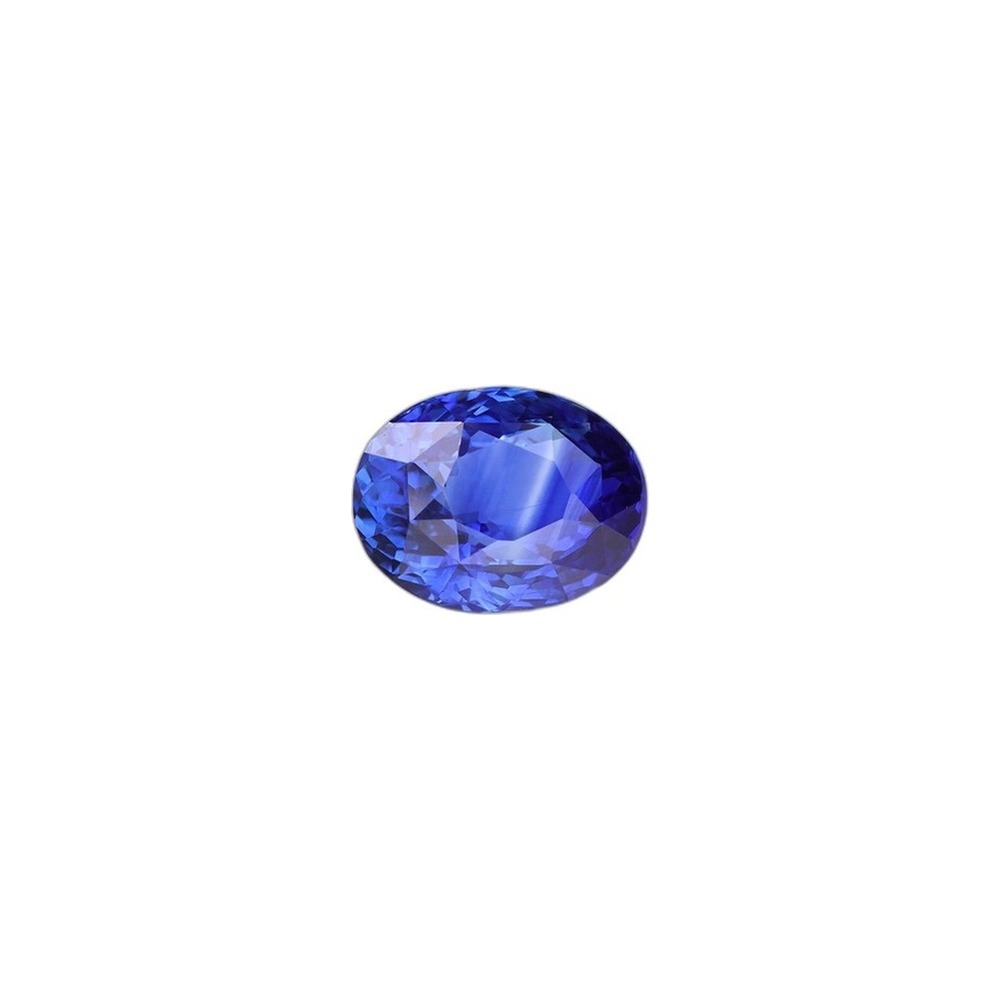
Kashmir royal blue is deep, saturated, and velvety. The microscopic silk creates a milky diffusion of light that makes the stone appear to glow from within rather than reflect from the surface. In some lighting conditions, Kashmir blue can appear slightly hazy or sleepy — this is diagnostic and desirable, not a defect.
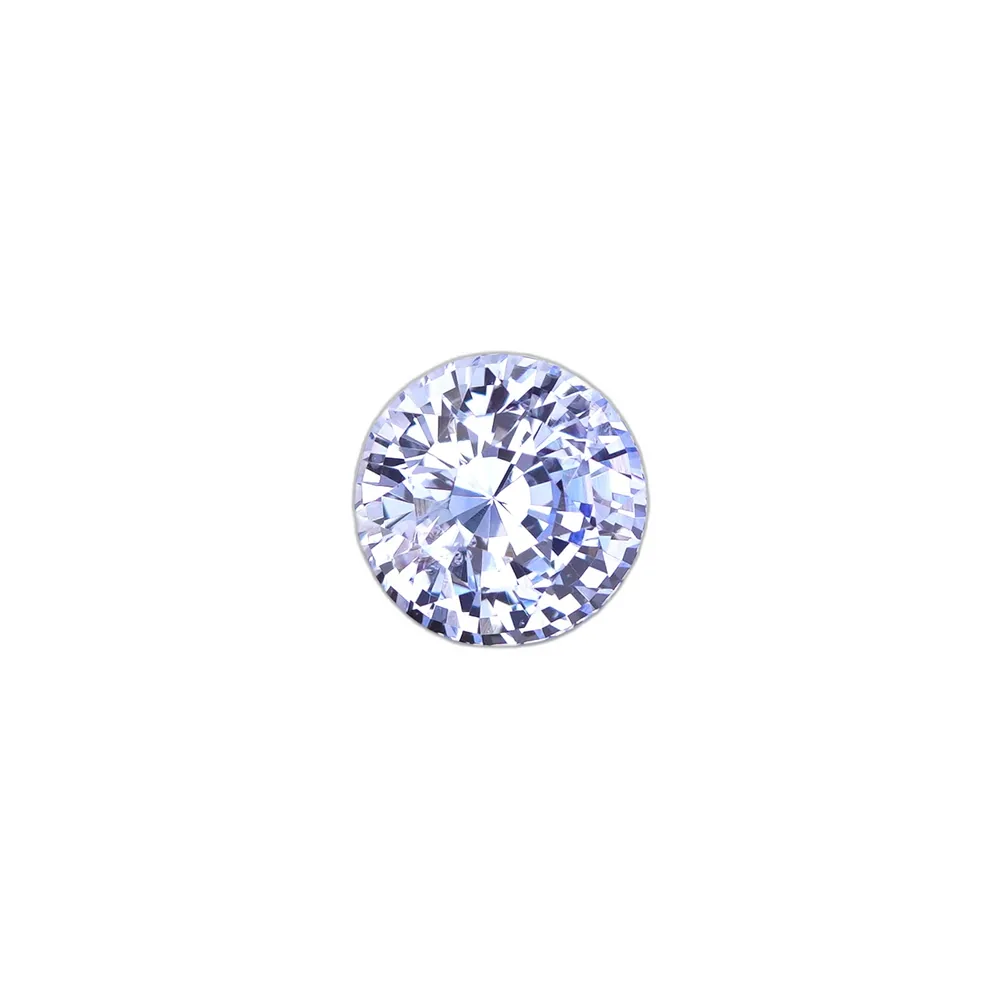
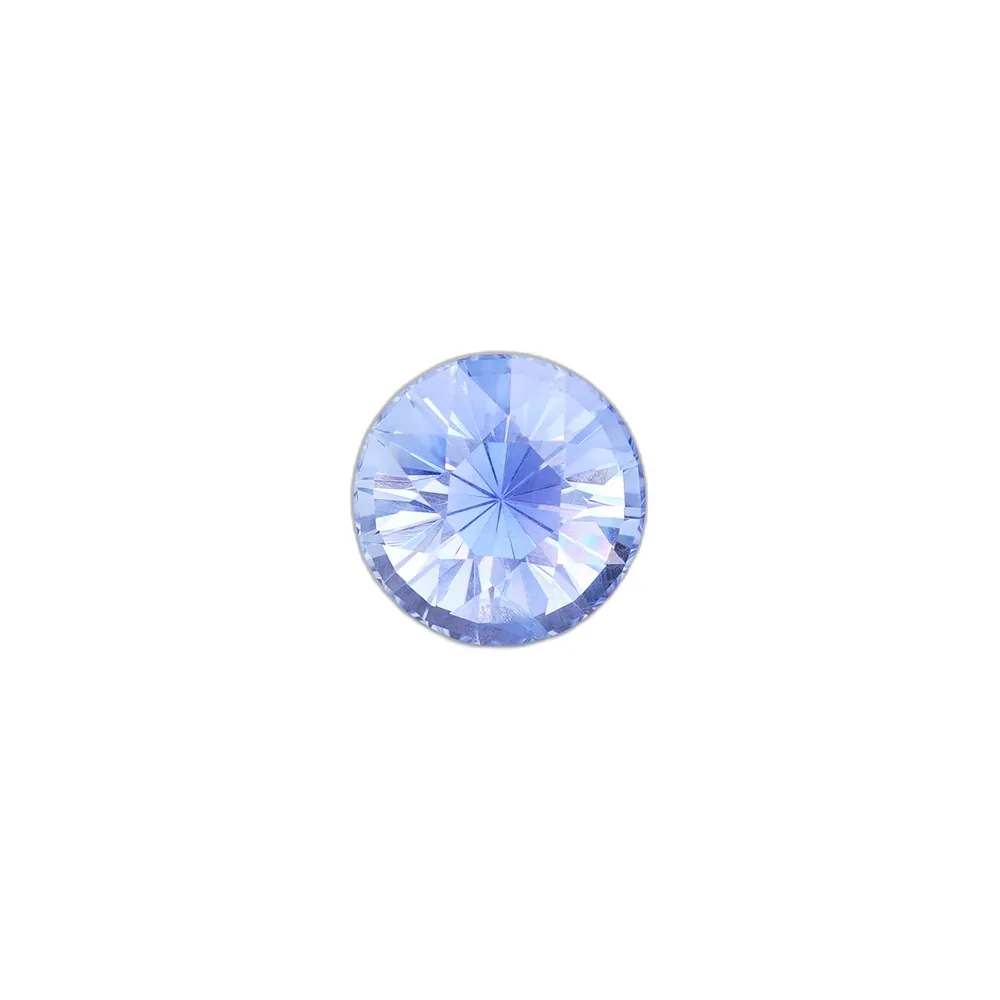
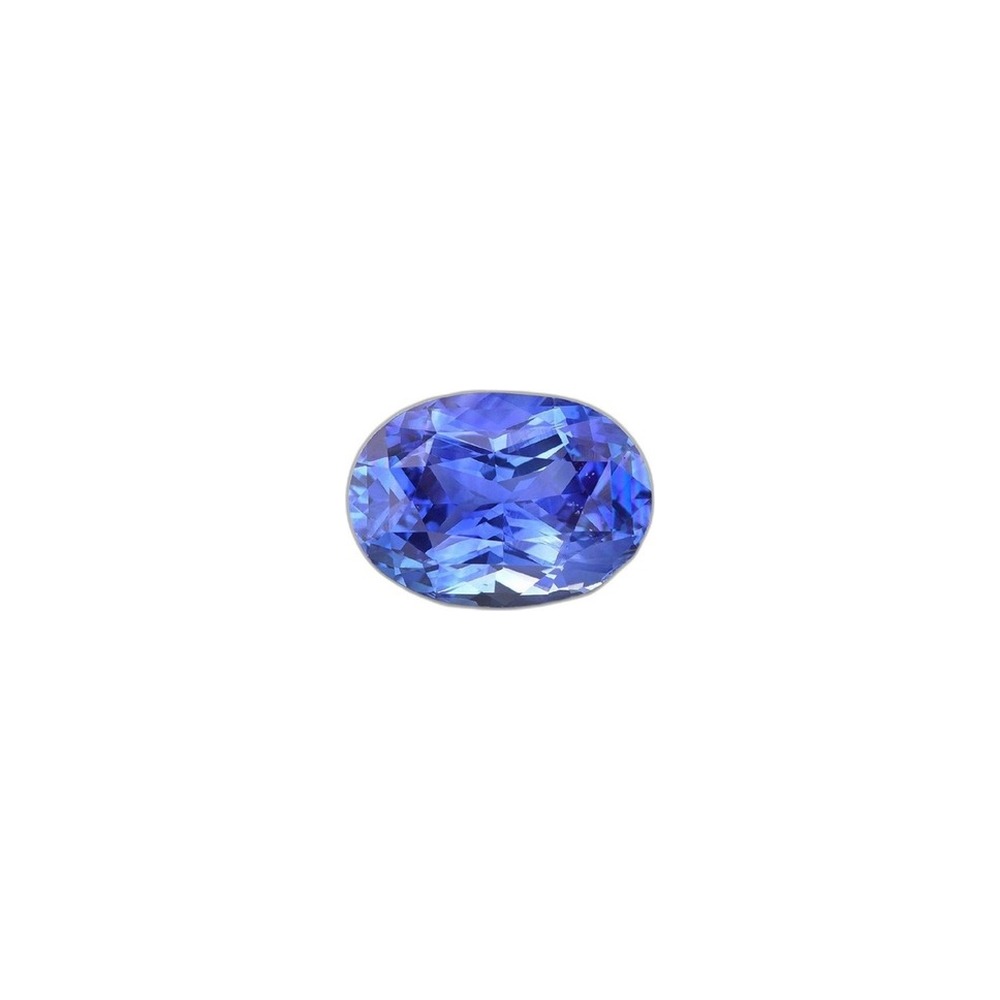
Ceylon royal blue (or cornflower blue) is cleaner and more brilliant. Light passes through the stone more directly, creating higher sparkle and more dynamic behavior as the stone moves. Ceylon royal blue can be vivid and electric in a way Kashmir's softer quality is not.
Neither is objectively superior — they are different aesthetics. Traditionalist collectors prize Kashmir's velvety depth. Younger buyers and those who prioritize jewelry performance often prefer Ceylon's brilliance.
PRICE DIFFERENTIAL
The Kashmir premium runs approximately 3–5× at equivalent quality. For exceptional Kashmir (museum quality, large, perfect color), the premium can be 8–10× the equivalent Ceylon price.
AVAILABILITY
Kashmir availability is extremely limited.The deposit has produced no meaningful new material since the early 20th century. The Kashmir sapphires in the market today are all historical stones — they have been resold from collection to collection for decades. Finding a Kashmir sapphire of specific quality, size, and certification is a months-long search even for specialist dealers.
Ceylon availability is good. Ceylon actively produces sapphires from its alluvial deposits. The market for certified Ceylon sapphires is well-supplied at commercial and mid-grade levels, and investment-grade unheated Ceylon material — while rare — is accessible through specialist dealers with reasonable frequency.
INVESTMENT CASE: WHICH IS BETTER?
Kashmir is the stronger long-term investment for maximum appreciation. Fixed supply, growing demand, and unmatched prestige create a structural appreciation case that Ceylon cannot fully match. If your capital permits and you can accept the illiquidity and search cost, Kashmir is the apex holding.
Ceylon is the better investment for most investors.The entry price is dramatically lower, liquidity is better (larger buyer pool, more frequently traded), and the quality of return on a 5–10 year hold for top-grade unheated Ceylon is strong. For an investor with $30,000–$150,000 to allocate, a fine unheated Ceylon royal blue is a better risk-adjusted position than a smaller, lower-quality Kashmir.
For portfolios large enough to hold both: diversification across both origins provides exposure to Kashmir's appreciation upside while Ceylon provides the portfolio's liquidity component.
FREQUENTLY ASKED QUESTIONS
How much more expensive is a Kashmir sapphire vs Ceylon?
Kashmir commands approximately 3–5× the price of comparable Ceylon at equivalent quality. For museum-quality exceptional specimens, the premium can reach 8–10×. A 2–3ct fine royal blue Kashmir ranges $50,000–$120,000/ct vs $12,000–35,000/ct for Ceylon.
Is Ceylon or Kashmir the better investment?
Kashmir offers the higher appreciation ceiling but requires significant capital and months to source. Ceylon offers better liquidity, accessible entry from $30,000–$150,000, and strong structural returns for most investors.
What makes Kashmir sapphires so optically distinctive?
Kashmir's microscopic rutile silk inclusions scatter light internally, creating the characteristic velvety glow — a geological accident of the Padar deposit that no other origin consistently replicates.
Is Kashmir sapphire supply truly exhausted?
Yes. The Padar mines in the Zanskar Range have produced negligible commercial quantities since the 1880s. Every Kashmir sapphire in circulation today is historical material being resold between collections.
RELATED GUIDES
EXPLORE CEYLON & KASHMIR SAPPHIRES
The Sapphire Bank offers Ceylon and Kashmir sapphires with GRS documentation available on request. Every stone comes with transparent origin and treatment disclosure.