 SAPPHIRE BANK
TEAL SAPPHIRE GUIDE
Teal sapphires occupy a unique position in the colored stone market: they are distinctive, increasingly popular, and produced primarily in Australia — making them one of the few fine gemstone categories where a Western nation holds a dominant supply position. Their blue-green color and parti (bicolor) varieties have attracted a dedicated following among collectors who prize rarity and individuality over classical standards.
WHAT TEAL AND PARTI SAPPHIRES ARE
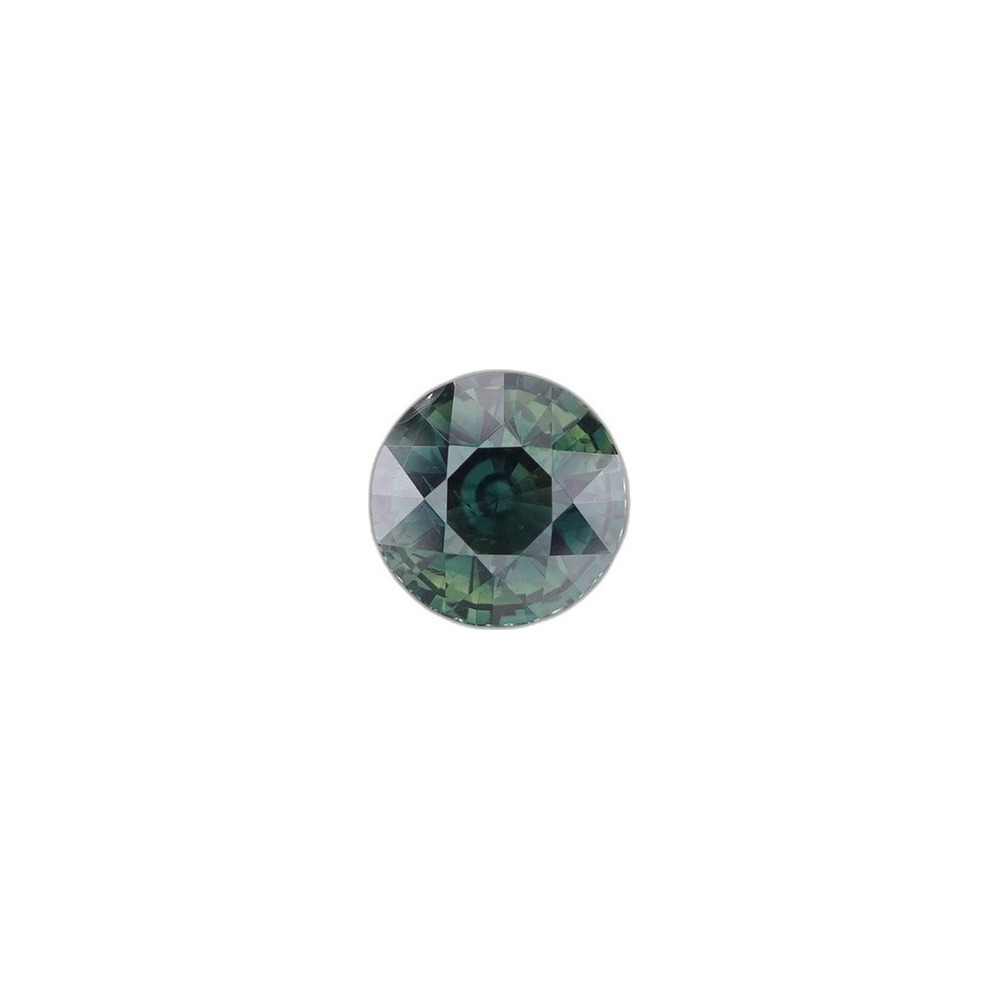
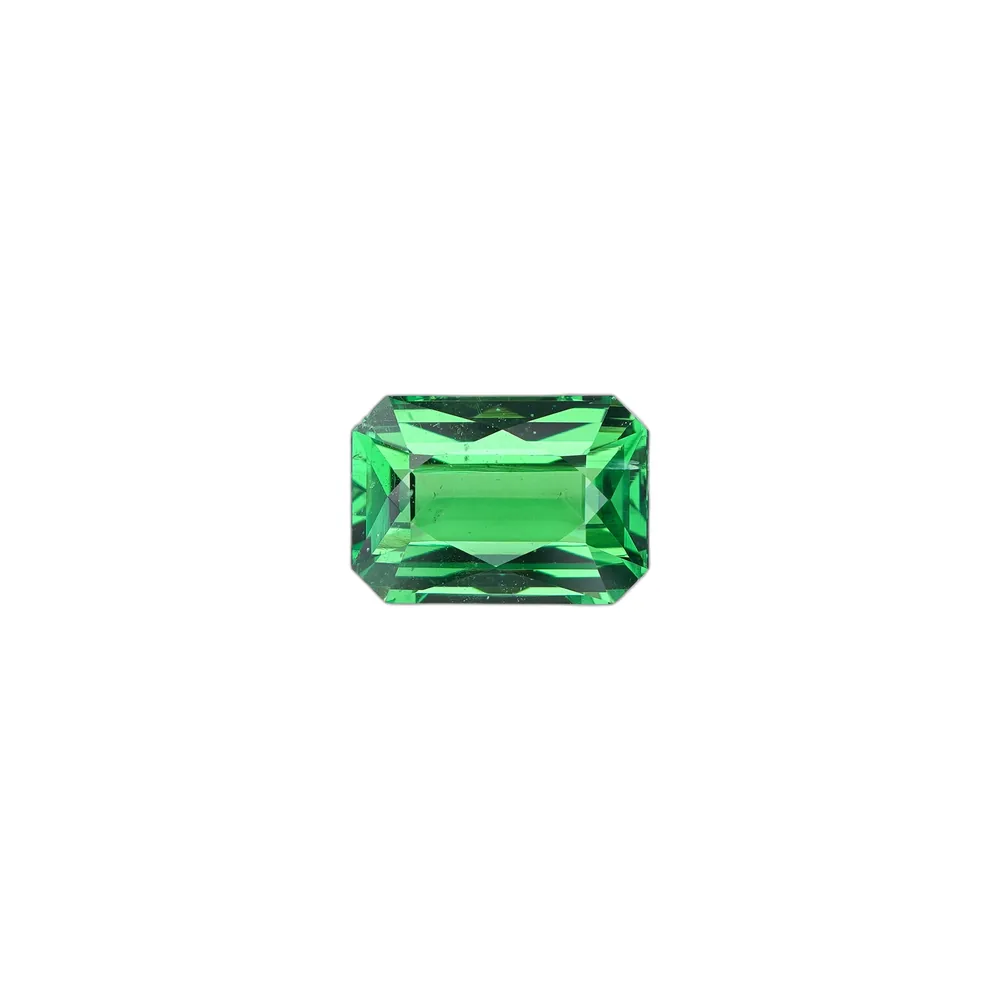
Teal sapphires are blue-green sapphires — corundum (aluminum oxide) that contains a mixture of iron and titanium impurities that produce color falling between pure blue and green on the color wheel. The resulting stones display a range from strongly blue-green to more green-blue, often described as teal, ocean blue, or peacock blue.
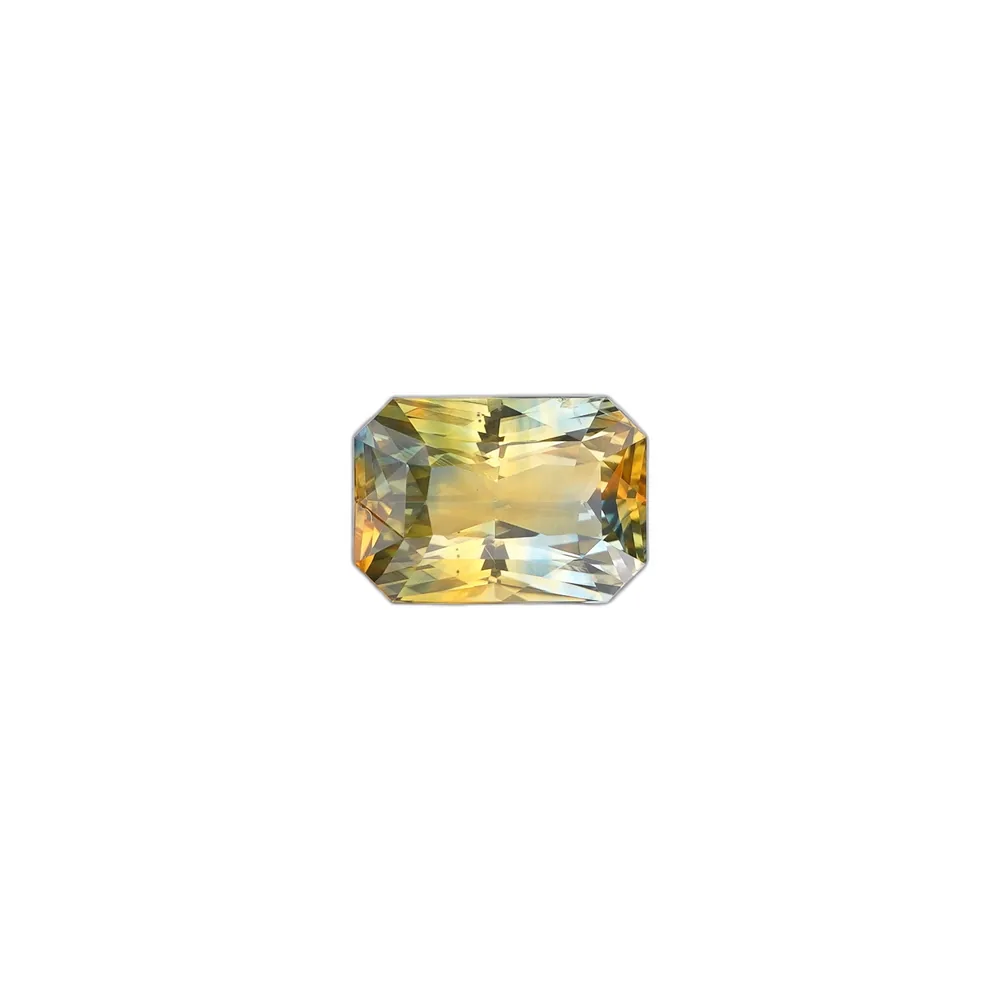
"Parti" sapphires are a closely related category — stones that display two or more distinct color zones within a single crystal. A typical parti sapphire might show a pure blue zone and a yellow zone, or a teal zone and a green zone, creating a naturally bicolored appearance that no treatment produces. The partition of color is entirely natural, arising from changing growth conditions during crystal formation.
Both categories are essentially untreated — Australian sapphires are rarely heated, as they typically have relatively good natural color saturation. This makes them unusual in the sapphire world, where the majority of commercial production is heated.
AUSTRALIAN ORIGIN: WHY IT DOMINATES
Australia — particularly the New South Wales and Queensland regions — produces the majority of the world's fine teal and parti sapphires. The geological conditions in these areas, involving alluvial deposits formed from basaltic volcanic rock, produce sapphires with characteristically high iron content. This iron, combined with titanium, creates the blue-green hue profile that defines teal sapphires.
Key Australian sapphire regions include:
- New England (NSW):Primary source of fine teal and parti sapphires — Inverell and Uralla areas
- Central Queensland:Rubyvale and Anakie — significant parti production, some teal
- Anakie (QLD):Historically important — large stones, variable color including teal-adjacent
Non-Australian teal sapphires do exist — Tanzania, Madagascar, and Montana occasionally produce blue-green material — but Australian material dominates the teal/parti market both in volume and in the collector mindset.
COLOR SHIFT AND LIGHTING EFFECTS
One of the most appealing aspects of teal sapphires is their behavior across different lighting conditions. Unlike blue sapphires, which are relatively stable in hue across light sources, teal sapphires often shift between more-blue and more-green depending on the light source:
This color versatility is a selling point for buyers who want a stone that presents differently in different settings. For investors, it can complicate color grading — a stone that appears "teal" under one light may look "green-blue" under another, affecting how labs describe it.
PRICE VS BLUE SAPPHIRE
Teal sapphires are significantly less expensive than comparable blue sapphires from premier origins. This price gap reflects collector tradition — the blue sapphire standard has centuries of prestige — rather than any difference in beauty or rarity.
The lower price point makes teal sapphires accessible to a wider range of buyers and may represent an opportunity if collector interest continues to grow.
INVESTMENT POTENTIAL
Teal and parti sapphires have experienced strong price growth in the 2015–2025 period, driven by a combination of social media visibility (teal sapphires photograph exceptionally well) and a broader trend toward non-traditional engagement ring stones. Demand from the custom jewelry market has pulled up prices at the commercial and mid-range level.
The investment case is more nuanced than for blue sapphires. The collector base is smaller and less institutional — auction houses rarely feature teal sapphires in major sales. Exit liquidity is primarily through dealers and direct-to-consumer platforms rather than auction.
For investors, the most defensible position is in larger, exceptional-quality unheated Australian teal sapphires (3 carats+) with GRS certification. These represent genuine rarity within the category and have appreciated meaningfully. Smaller commercial-grade teal sapphires are more susceptible to supply competition from new Australian mining activity.
CERTIFICATION FOR TEAL SAPPHIRES
GRS certifies teal and parti sapphires with Australian origin determination. Key elements to verify on a certificate for investment-grade teal material:
- —Origin: Australia explicitly stated
- —Color description: 'teal' or 'blue-green' — accurate to face-up appearance
- —Treatment: 'no indications of heating' — standard for fine Australian material
- —Species: corundum / sapphire confirmed
- —For parti stones: bicolor or multicolor designation noted
FREQUENTLY ASKED QUESTIONS
What is a teal sapphire?
Teal sapphires are blue-green sapphires with roughly equal parts blue and green in their color mix. They typically come from Madagascar, Montana, or Australia. The color results from trace iron amounts creating both blue and green simultaneously within the corundum crystal.
Are teal sapphires valuable?
Fine teal sapphires with vivid, balanced blue-green color can reach $800–$3,000 per carat. Madagascar teal sapphires have attracted significant collector interest since 2015. They are more affordable than cornflower blue Ceylon sapphires, but the category has shown strong appreciation.
Are teal sapphires heat treated?
Most teal sapphires on the market are heat treated. Unheated teal sapphires with laboratory confirmation are rarer and command a 30–80% premium over heated equivalents. Always verify treatment status via a current GRS or Guebelin certificate.
Are teal sapphires a good investment?
An emerging collector category with growing demand. Teal sapphires offer accessible price points compared to blue sapphires, but investment liquidity is more limited — the market is newer and thinner. Best as a complementary position alongside more established blue sapphires.
EXPLORE OUR SAPPHIRE COLLECTION
Browse the sapphire collection including blue, teal, and specialty varieties. Every stone carries full origin and treatment disclosure, with GRS documentation on request.