 SAPPHIRE BANK
SAPPHIRE VS RUBY: WHICH IS THE BETTER INVESTMENT?
Both sapphires and rubies are investment-grade gemstones with centuries of proven value. But they are not interchangeable. Entry price, liquidity, scarcity, and auction performance differ significantly — and the right choice depends on your budget, timeline, and goals.
WHY COLORED GEMSTONES AS INVESTMENTS?
Colored gemstones have historically held value across currency crises, stock market crashes, and geopolitical upheaval. Unlike equities or real estate, they are portable, non-reportable in many jurisdictions, and exist in finite supply.
Top-quality sapphires and rubies — both varieties of corundum, the second hardest mineral on Earth — are among the most established stores of value in the gemstone world. They are coveted by collectors, traded at major auction houses (Christie's, Sotheby's, Bonhams), and accepted as collateral by specialist lenders.
But sapphires and rubies serve different investor profiles.
RARITY: RUBY WINS — BUT IT COSTS YOU
Fine rubies are rarer than fine sapphires — by a wide margin. A gem-quality, unheated ruby over 3 carats from Burma (Mogok) is extraordinarily scarce. New deposits are not materializing; existing mines are depleting.
Fine blue sapphires — particularly Ceylonand Burma origins — are rare at the investment grade, but supply is more consistent than ruby. Madagascar has opened up as a second major source.
Bottom line: Rubies' greater rarity creates a steeper supply constraint, which historically supports long-term price appreciation — but you pay that scarcity premium upfront.
AUCTION RECORDS: WHAT THE MARKET SAYS
Ruby holds the per-carat record by a factor of five, which reflects true scarcity at the ultra-top end. But the massive size of the record Kashmir sapphire shows that exceptional sapphires can still command historic prices.
For most investors operating below $100,000 per stone, sapphire auctions are more frequent and buyer pools are deeper — which matters when it's time to sell.
PRICE TRENDS (2010–2025)
Both stones have appreciated significantly over the past 15 years, outperforming many traditional asset classes on a risk-adjusted basis at the top quality tiers.
Rubies: Fine Burmese ruby prices approximately tripled between 2010 and 2023. The 2015 Sunrise Ruby sale reset market expectations globally. Prices plateaued slightly post-2020 at the mid-market level due to Mozambique supply, but top Burmese material held firm.
Sapphires: Unheated Ceylon sapphires have appreciated 40–80% over the same period. Kashmir sapphires — when they come to market — routinely set records. The introduction of large Madagascar finds compressed mid-quality sapphire prices, but investment-grade unheated stones continued their trajectory upward.
Key driver for both: growing demand from Asia (China, Hong Kong, Singapore), where colored gemstones are increasingly seen as portable wealth.
LIQUIDITY: SAPPHIRE IS EASIER TO SELL
Liquidity matters as much as appreciation potential. An asset that doubles in value but takes three years to sell is less useful than one that gains 40% and can be placed at auction in 90 days.
Sapphires trade more frequently. Christie's, Sotheby's, and Bonhams include sapphires in virtually every major jewelry auction. Private dealer networks are also more active in sapphires because of the broader collector base and wider variety (blue, padparadscha, yellow, etc.).
Fine rubies can be harder to place. The buyer pool for truly fine rubies ($50K+/ct) is global but thin. A Mogok ruby may take longer to find the right buyer — though when it does, competition can drive the price well above estimate.
For investors who value exit flexibility, sapphires offer more predictable liquidity.
TREATMENT AND CERTIFICATION
For investment purposes, both sapphires and rubies must be:
- Certified by a top lab — GRS, Gübelin, or GIA
- No heat (NH) — unheated status documented in the report
- No glass filling or beryllium — these treatments collapse resale value
Unheated rubies are proportionally rarer than unheated sapphires. The “no heat” premium on ruby can be 200–400% above a comparable heated stone. For sapphires, the premium is typically 50–150%.
This means an unheated ruby is doubly scarce: rare as a ruby, rarer still as an unheated ruby. For investors, this creates asymmetric upside — but requires careful due diligence on the certificate.
See our guide: GRS vs GIA: Which Certificate Matters More?
WHICH IS RIGHT FOR YOUR PORTFOLIO?
Choose sapphire if you:
- Have a budget under $50,000 per stone
- Want more liquidity and a larger buyer pool
- Are buying your first investment gemstone
- Value variety — padparadscha, Kashmir, Ceylon, and yellow sapphires all hold value distinctly
- Want a 3–7 year hold with predictable exit options
Choose ruby if you:
- Can invest $30,000+ per stone for meaningful quality
- Have a longer hold horizon (7–15 years)
- Are comfortable with a thinner buyer pool in exchange for maximum scarcity
- Specifically want Burmese origin with documented no-heat status
- Are diversifying an existing colored gemstone portfolio
Many sophisticated investors hold both. A Ceylon sapphire provides stability and liquidity; a fine Burmese ruby provides the high-conviction, long-tail position.
RISKS TO CONSIDER
Neither is risk-free. Common risks for both stones:
- Illiquidity at low quality: Only investment-grade stones appreciate reliably. Mid-quality commercial stones do not.
- Certificate dependence: A stone without a top lab report is difficult to sell at fair value.
- Market concentration: The colored gemstone market is smaller and less transparent than equities. Pricing requires specialist knowledge.
- New supply: Madagascar opened up sapphire supply unexpectedly. Similar discoveries could affect any origin premium.
- Forgeries and treatments: Advanced heating and filling treatments can be difficult to detect without a reputable lab report.
FREQUENTLY ASKED QUESTIONS
Do rubies or sapphires hold higher per-carat auction records?
Rubies hold the record — the Sunrise Ruby sold at $1.18 million per carat in 2015. The finest sapphires (Kashmir origin) have reached $300,000+ per carat at auction. Rubies outperform at the absolute top, but sapphires offer greater liquidity and more entry points below $50,000.
Which gemstone is easier to sell — ruby or sapphire?
Sapphires are generally more liquid than rubies due to greater supply diversity across price points. Ceylon blue sapphires have an active global secondary market with multiple auction channels. Investment-grade rubies require more specialized buyers and longer selling timelines, particularly above $50,000.
What is the minimum investment-grade standard for buying rubies?
Target rubies of at least 1 carat with GRS certification, Burma or Mozambique origin, and no indications of heating. For Burma pigeon blood rubies — the most sought-after tier — expect to pay $15,000–$50,000 per carat for 1–2 carat GRS-certified specimens.
Should I diversify between sapphires and rubies in a gemstone portfolio?
Yes. Sapphires and rubies respond to different demand drivers. A 60/40 or 70/30 sapphire-to-ruby allocation balances liquidity with return potential — sapphires provide the stable base while Burma rubies provide upside exposure to the specialist collector market.
START WITH A DOCUMENTED STONE
Every gemstone in The Sapphire Bank collection carries full documentation of origin and heat treatment status, with a certificate from GRS, Gübelin or GIA available on request. Browse our current investment-grade inventory.
RELATED GUIDES
RELATED ARTICLES
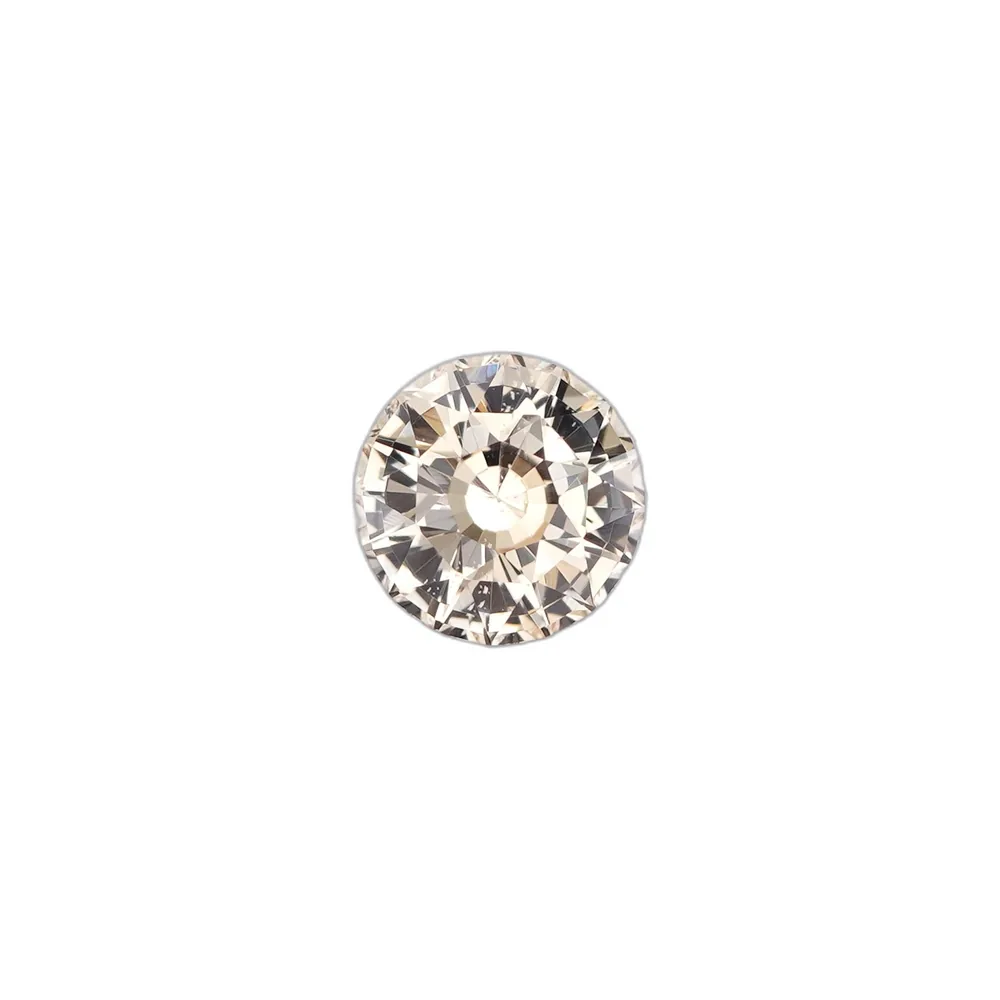
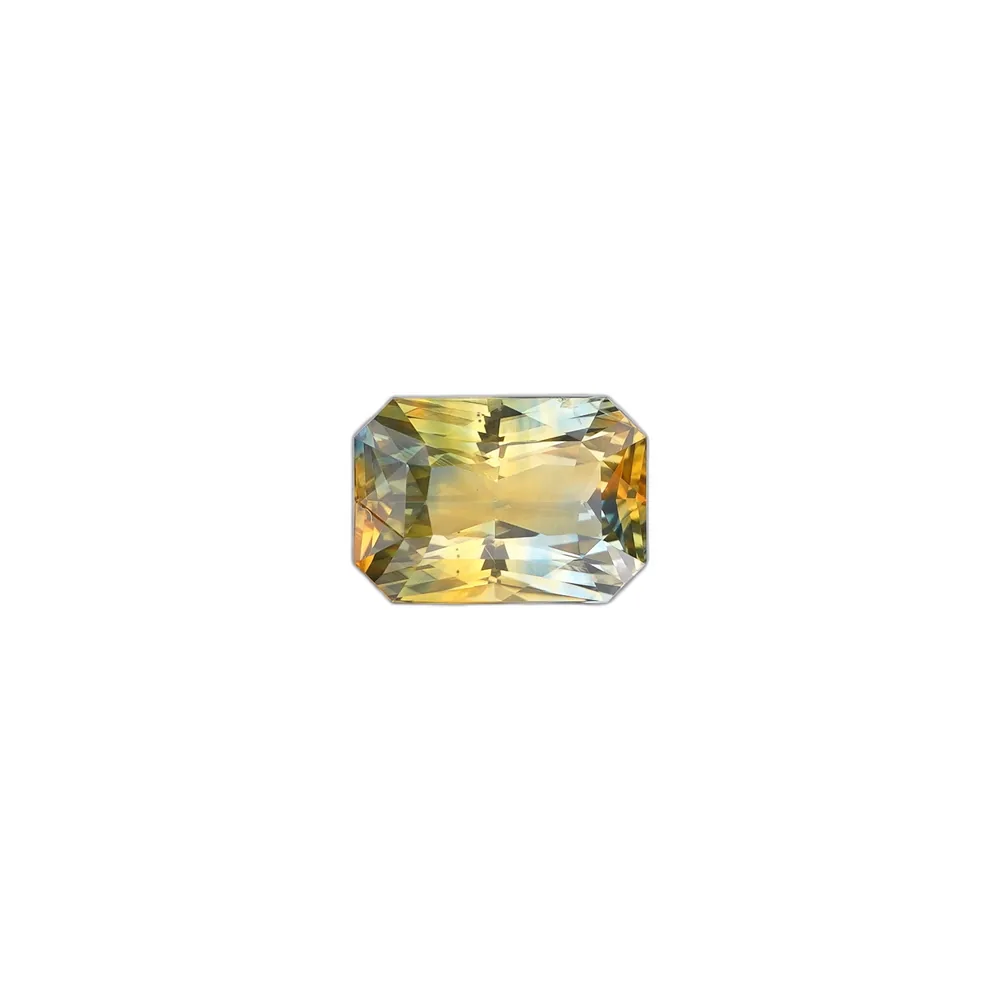
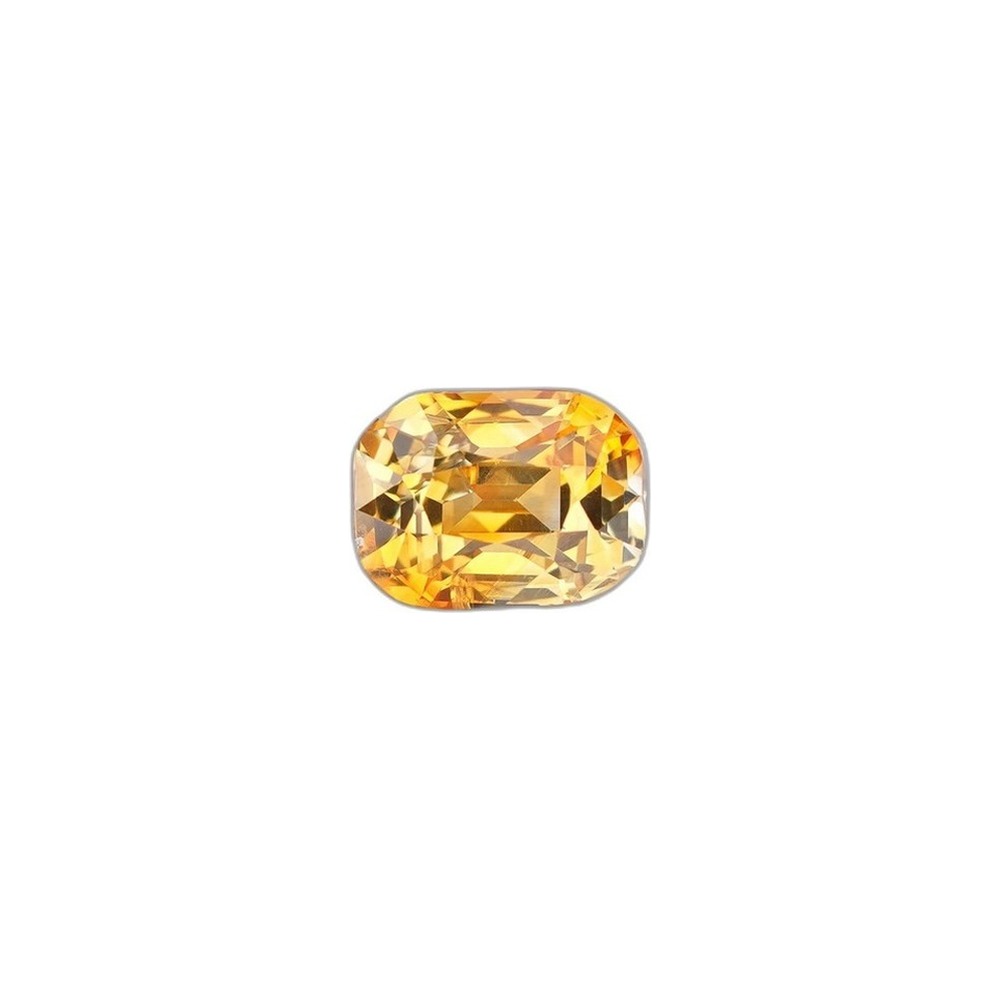
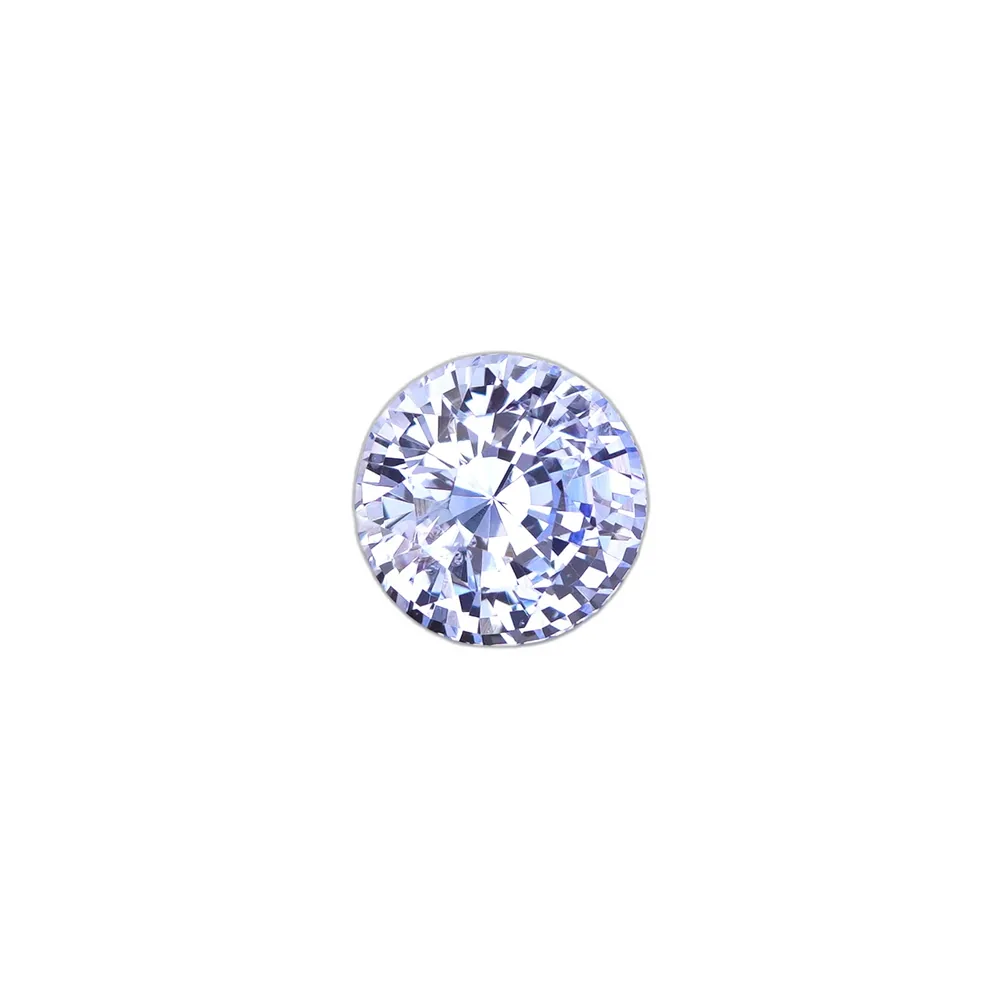
We have no rubies in stock today — that category is sourced on request. These are stones we do hold, and each card shows its own origin.