 SAPPHIRE BANK
LEARN
Royal Blue vs Cornflower Blue
These are the two colour grades buyers most often confuse. Both are laboratory colour descriptions, and the difference between them — hue, tone and saturation — is where the gap in price per carat comes from.
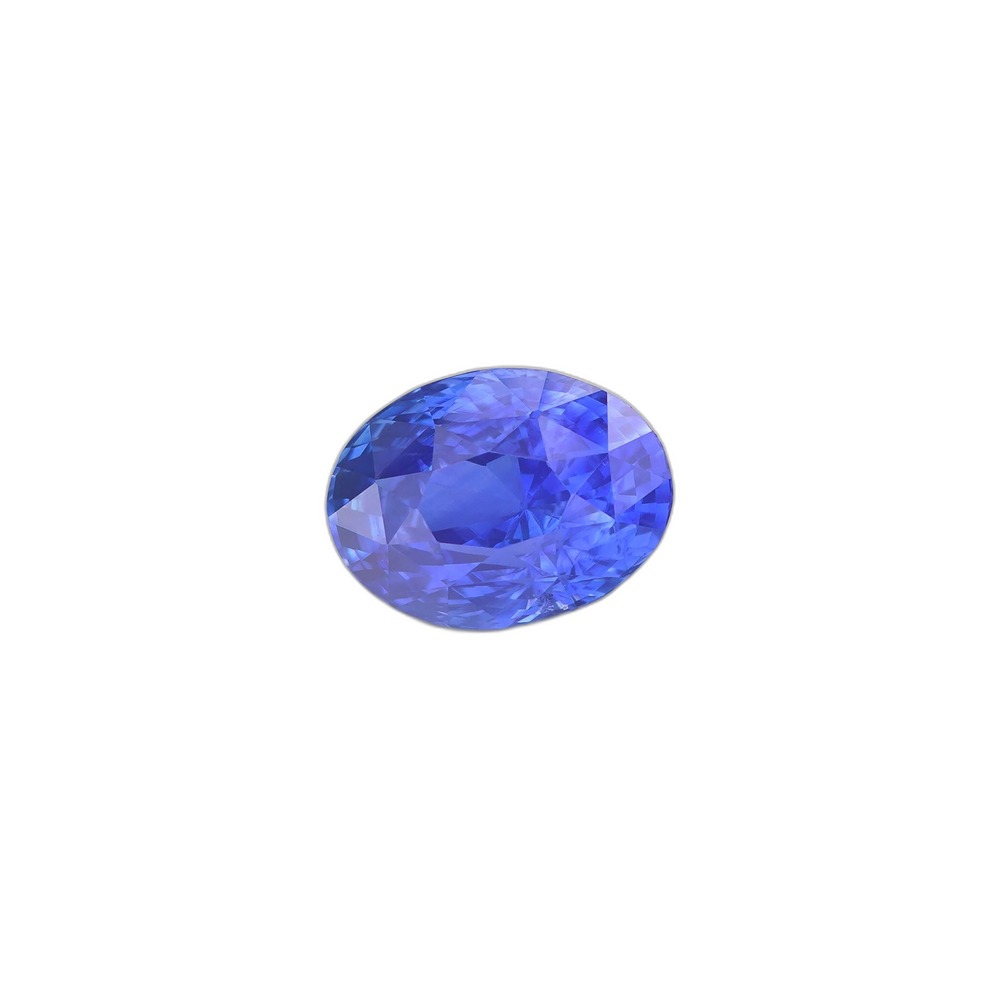
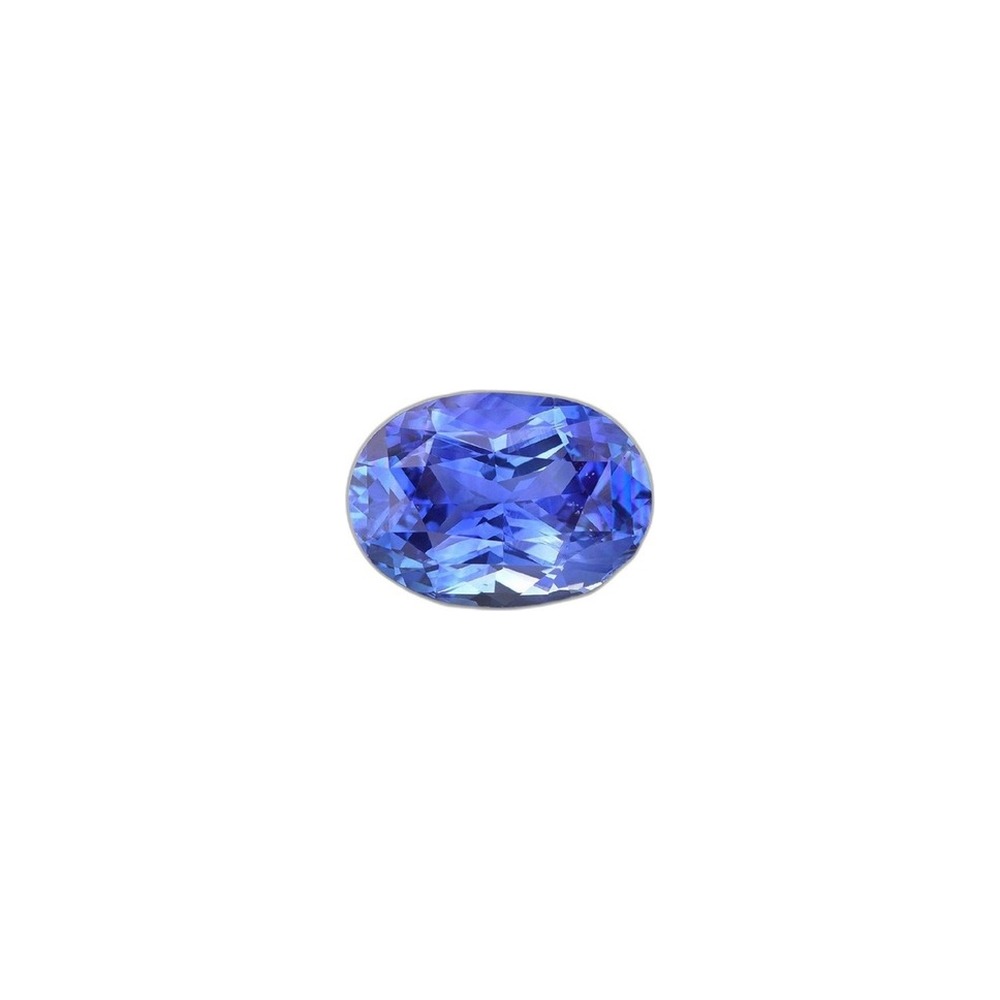
Royal blue
Deeply saturated blue with a darker tone. Material that reaches this saturation without reading as blackish is scarcer, so per-carat prices tend to sit higher.
- 4.14ct · Ceylon
- $679/ct
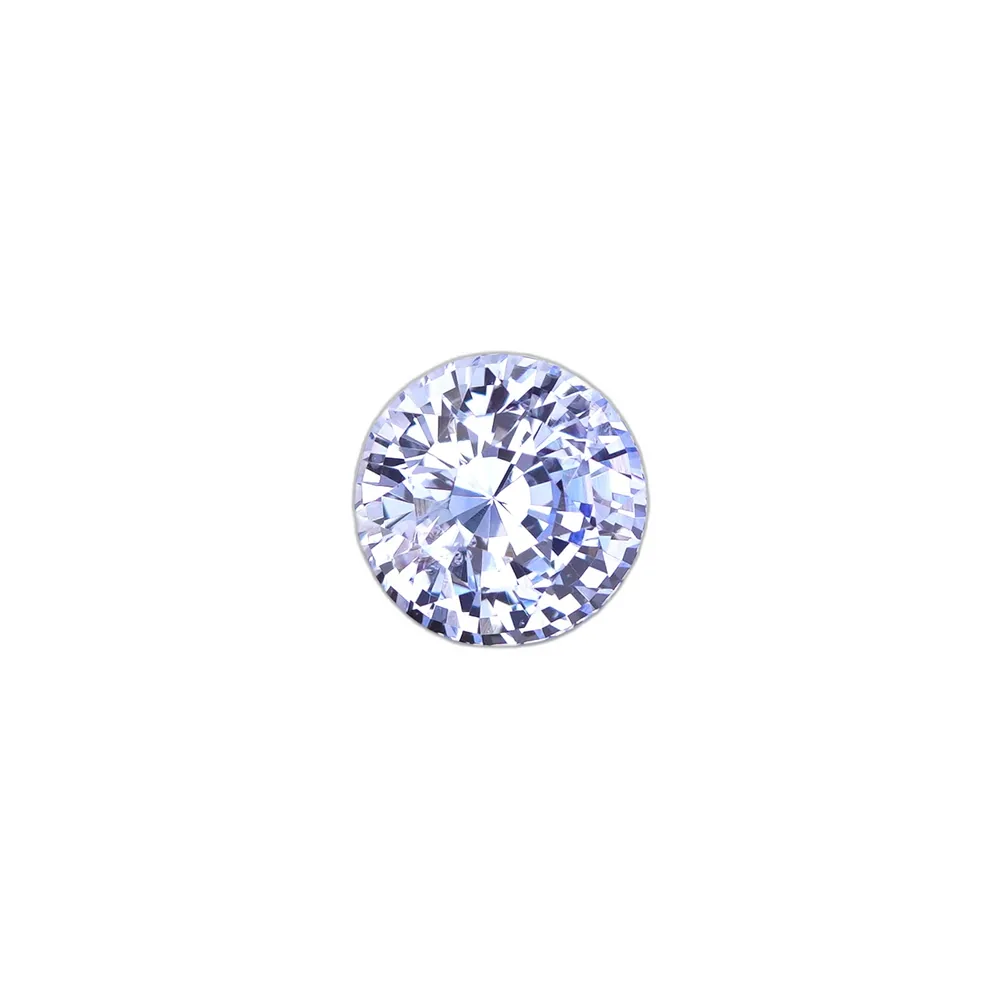
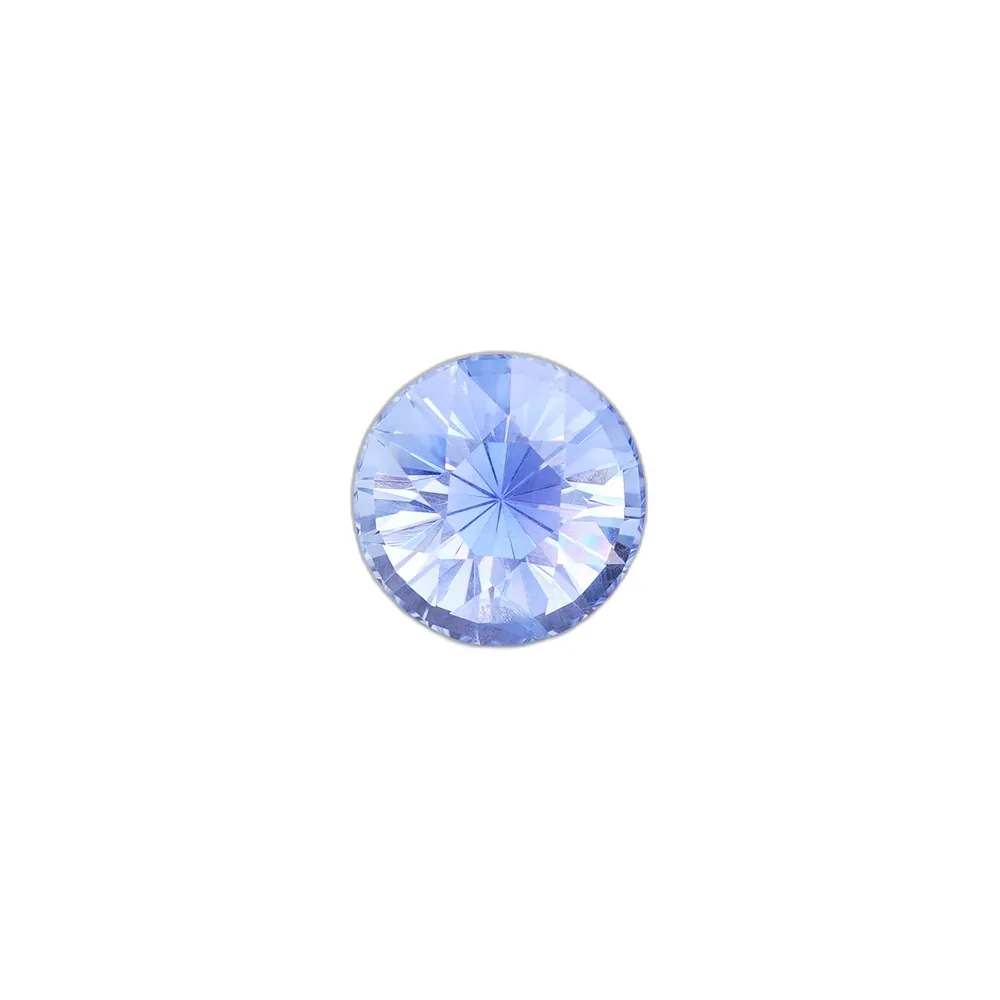
Cornflower blue
A lighter, slightly softer sky-blue named after the flower. It generally reads brighter and more open in daylight.
- 5.55ct · Ceylon
- $1,239/ct
The figures above are the actual per-carat prices of stones in our own inventory, not a market average or valuation benchmark. Colour is one input among several: carat weight, clarity, cut, origin and treatment all move price.
How to choose
Do not buy the grade name alone. The quality range inside a single grade is wide, and the colour description on a report carries a subjective element. A more reliable order: confirm origin and treatment status first, compare actual images in daylight second, and treat the colour grade as a reference point rather than the decision.
We disclose origin and treatment status on every stone, arrange GRS or GIA certification on request, and back each purchase with a 12-month buyback.
Frequently asked
What is the difference between royal blue and cornflower blue?
Both are colour descriptions used by laboratories such as GRS, not marketing terms. Royal blue means a deeply saturated blue with a darker tone. Cornflower blue is a lighter, slightly softer sky-blue, named after the flower. The difference is a combination of hue, tone and saturation rather than a single attribute.
Which one costs more per carat?
Royal blue generally commands more, because material that reaches that saturation without going too dark is scarcer. That is a tendency and not a rule: a top cornflower with excellent clarity, cut and origin can exceed a mediocre royal blue. Colour is one input into price alongside carat weight, clarity, cut, origin and treatment.
Does the certificate state the colour grade?
Yes. Laboratories such as GRS state a colour description on the report. Worth knowing that colour grading carries a subjective element and labs can word it differently, so which laboratory issued the report also affects how the market reads it.