 SAPPHIRE BANK
Royal Blue Sapphire
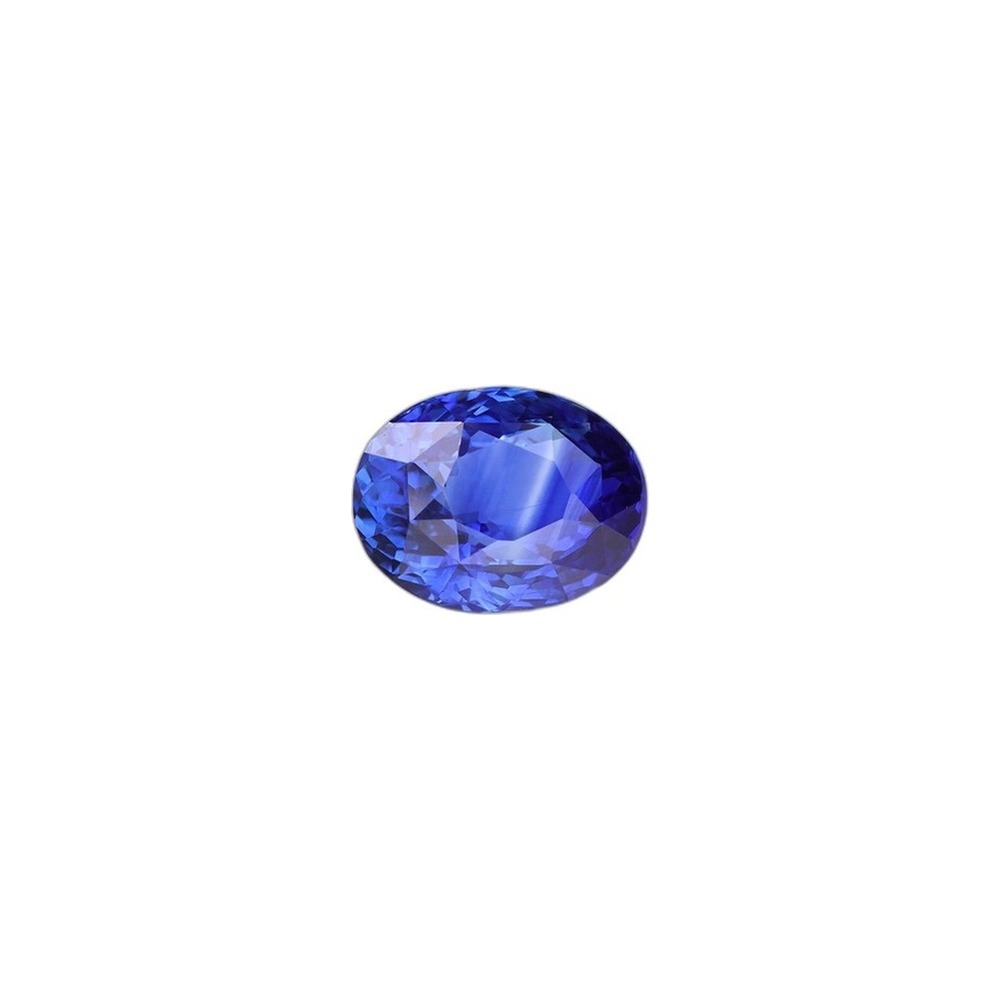
Among sapphire color grades, royal blue sits at the apex. It is a deep, saturated blue with a slight violet undertone — rich enough to command attention without losing the clarity of color that makes sapphires valuable. Fewer than 5% of unheated Ceylon sapphires qualify, and the grade carries a price premium that can triple or quadruple the value of an otherwise identical stone.
What Royal Blue Means
Royal blue is not a marketing term. It is a technical designation used by the world's leading gemological laboratories — primarily GRS (Gemmological Research Switzerland) — defined through standardized color comparison under controlled lighting. The grade requires three conditions to be met simultaneously.
The hue angle must fall between violetish-blue and blue — predominantly blue, with a minor violet component permissible. The tone must sit in the medium-dark range, approximately 75–85% on the GRS tone scale — deep enough to produce rich color, but not so dark the stone appears black under indoor lighting. The saturation must be vivid, meaning strongly saturated with no visible grey or brown masking the color.
The challenge is that all three parameters must align simultaneously. Most deeply blue sapphires fail because they are over-toned (appear black in indoor lighting), or because their saturation is suppressed by inclusions or poor cutting. True royal blue is a geological coincidence, not a commodity.
The Blue Spectrum: Cornflower vs Royal Blue vs Kashmir
Three terms dominate the top tier of sapphire color grading. They are distinct and priced very differently.
| Color Type | Origin | Character | Price/ct (unheated) |
|---|---|---|---|
| Cornflower Blue | Ceylon | Medium tone, bright, lighter blue | $3,000–$15,000 |
| Royal Blue | Ceylon, Burma | Deep saturated blue, vivid intensity | $5,000–$50,000 |
| Kashmir Blue | Kashmir (India) | Velvety, diffuse glow, unmatched depth | $50,000–$200,000+ |
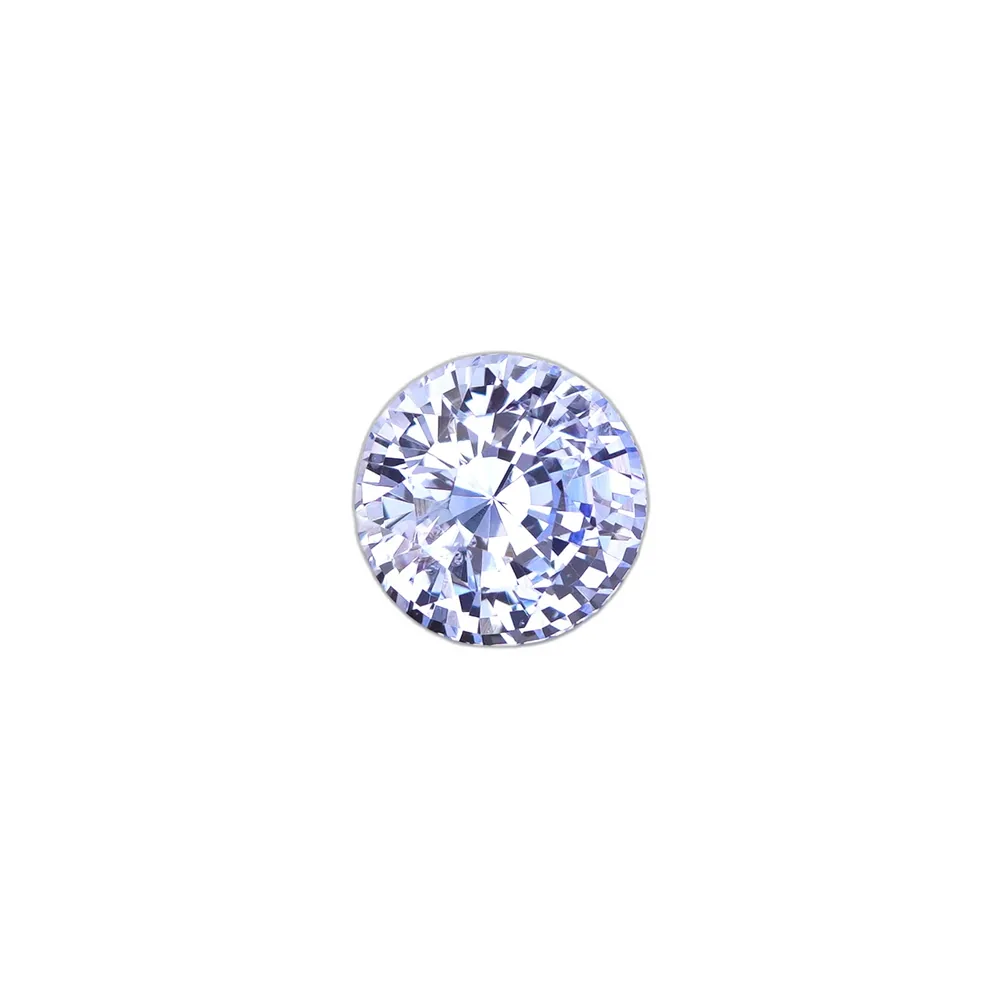
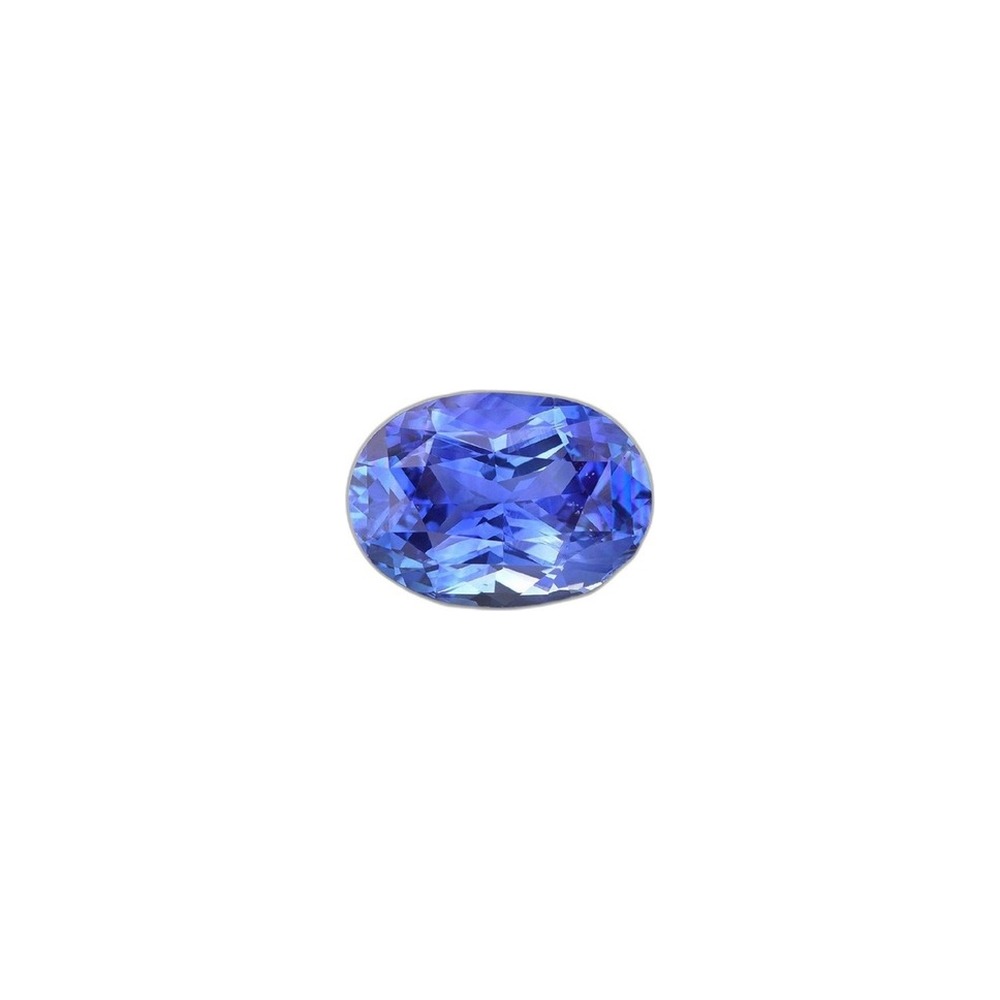
Cornflower blue (primarily Ceylon) sits a step below royal blue in tone depth — brighter, lighter, and more transparent in appearance. Royal blue is deeper and richer — the blue you associate with fine sapphire jewelry photographs. Kashmir blue is typically graded royal blue on color, but its defining velvety appearance from light-scattering micro-inclusions puts it in an entirely different investment category. Read more in the Kashmir sapphire price guide.
Price by Origin (2026)
| Origin | Treatment | Carat Weight | Price / ct |
|---|---|---|---|
| Ceylon | Heated | 1–5ct | $1,000–$5,000 |
| Ceylon | Unheated | 1–3ct | $5,000–$15,000 |
| Ceylon | Unheated | 3–5ct | $15,000–$30,000 |
| Burma (Myanmar) | Unheated | 1–3ct | $8,000–$25,000 |
| Burma (Myanmar) | Unheated | 3–5ct | $25,000–$50,000 |
| Kashmir (India) | Unheated | Any | $50,000–$200,000+ |
Heat treatment has a substantial impact on price for the same color grade. An unheated Ceylon royal blue trades at 3–8× the price of a heated stone of identical visual quality. This treatment premium reflects the fundamental rarity of achieving royal blue color naturally without enhancement, and is documented on the laboratory certificate.
How Labs Grade Royal Blue
GRS is the primary authority on the royal blue designation. They use proprietary color comparison swatches viewed under D65 standard illumination (daylight equivalent). The stone must match the royal blue reference in all three dimensions — hue, tone, and saturation — simultaneously. The designation appears explicitly on the GRS certificate ("Colour: Royal Blue") and is what buyers and auction houses use to set prices.
Gübelin Gem Lab and SSEF (Swiss Gemmological Institute) use parallel but not identical color terminology. All three are accepted by Sotheby's, Christie's, and Bonhams for major auction lots. For investment-grade purposes, always prioritise a GRS, Gübelin, or SSEF certificate — not generic appraisals or less-recognised labs.
GIA (Gemological Institute of America) issues colored stone reports but does not use "Royal Blue" as a standard descriptor. Their color system uses different terminology. For sapphires intended for auction or resale in Asian markets — where the GRS royal blue designation carries the most weight — prioritise GRS certification. See our guide to blue sapphire color grades for a full comparison.
Only ~5% of Ceylon Sapphires Qualify
GRS estimates that fewer than 5% of unheated Ceylon sapphires submitted for grading receive the royal blue designation. The rest are graded as cornflower blue, light blue, medium blue, or various lower-saturation grades. Even among the finest Ceylon parcels, royal blue quality stones are carefully culled and priced at a significant premium over the rest.
The percentage drops further for unheated stones. Heating can shift a cornflower blue stone into royal blue territory — which is precisely why the treatment premium exists. An unheated royal blue stone demonstrates that its color was natural and not optimised by treatment, which the market rewards substantially.
What to Look for When Buying
When purchasing a royal blue sapphire, the following checklist applies:
- • Certificate first: Insist on a GRS, Gübelin, or SSEF certificate explicitly stating the "Royal Blue" color designation. No certificate, no verified grade.
- • Treatment status: Confirm "No indications of heating" (or equivalent phrasing). Heated royal blue is more affordable but carries significantly lower investment premium.
- • Clarity: Eye-clean or minor inclusions only. Heavily included stones, even with royal blue color, trade at discounts and sell slowly.
- • Origin: Always require the certificate to state origin. Ceylon, Burma, or Kashmir origin is value-determinative.
- • Carat weight: 2ct+ preferred for investment. Per-carat value escalates substantially above 3ct for top-quality unheated stones.
For a complete overview of investment-grade sapphire selection, see our investment-grade sapphires guide and the Ceylon sapphire buying guide.
Royal Blue as an Investment
Royal blue sapphires from top origins have appreciated consistently over the past three decades. The long-term price data from Sotheby's and Christie's auction records shows compound annual growth of approximately 8–12% for top-quality unheated Ceylon royal blue, and higher still for Kashmir material where supply is permanently exhausted.
The investment case is structural: the combination of royal blue color + no heat treatment + respected origin + GRS certification represents a fixed, verifiable quality tier with genuine scarcity. Global demand from Asian buyers — particularly from China, Singapore, and Hong Kong — continues to expand the buyer pool for precisely these stones.
The primary liquidity venue is major auction houses, which provide transparent pricing history and international buyer reach. Unlike many alternative assets, there is a documented price discovery mechanism — which is rare for physical commodities of this type.