 SAPPHIRE BANK
Tanzanite Investment Guide
Tanzanite is the world's most geographically concentrated gemstone. Every carat ever mined came from a single location: the Merelani Hills at the foot of Mount Kilimanjaro in northern Tanzania, within an area of approximately 5km². Geologists estimate the deposits will be exhausted within 20–30 years at current extraction rates. The investment thesis writes itself — but the execution has nuances that matter enormously.
The Supply Story: One Source, Limited Time
Tanzanite was discovered in the Merelani Hills in 1967 and introduced to the gemstone market the same year by Tiffany & Co. Unlike ruby (multiple origins across Myanmar, Mozambique, Thailand) or sapphire (found across Ceylon, Madagascar, Myanmar, Australia, and elsewhere), tanzanite exists in exactly one geological location. The specific combination of temperature, pressure, and vanadium content that creates tanzanite's blue-violet color has not been replicated anywhere else on Earth.
The Merelani mining area is divided into four blocks (A, B, C, D) operated by companies of varying scale. The largest operator, TanzaniteOne, has estimated that primary deposits will be substantially exhausted by 2040–2050 at current extraction rates. Supply has already been declining — production volumes have dropped significantly since peak years in the 2000s.
This creates a structural investment argument: fixed and declining supply against growing global demand, with a clear depletion timeline. No other commercially significant gemstone has this combination of documented scarcity and a visible endpoint.
2026 Price Data
| Grade | Carat Weight | Price / ct |
|---|---|---|
| Commercial | <1ct | $50–$200 |
| Fine | 1–3ct | $200–$600 |
| Fine | 3–5ct | $600–$1,500 |
| AAA (deep blue-violet) | 5ct+ | $1,500–$3,000 |
| Exceptional | 10ct+ | $3,000–$8,000+ |
These prices reflect retail/wholesale market rates. Tanzanite lacks the mature auction market benchmarks that sapphire has, so prices vary considerably across channels. For top-quality stones, verify current market prices across multiple sources before committing.
Color Grading: The AAA System
The most widely used grading system comes from TGIC (Tanzania Gemstone Industry Council) and TanzaniteOne, using a letter scale from A to AAAA. AAA+ represents the top 1%: deep blue-violet, vivid saturation, eye-clean.
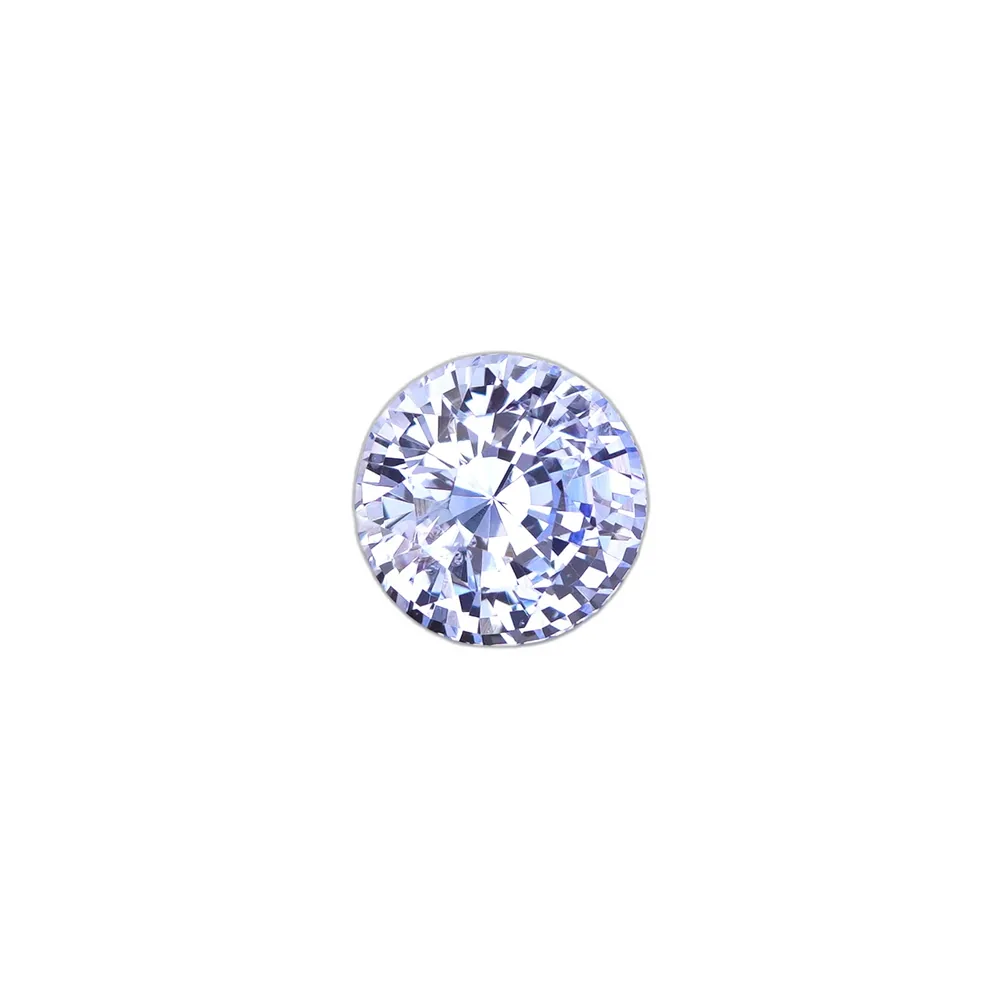
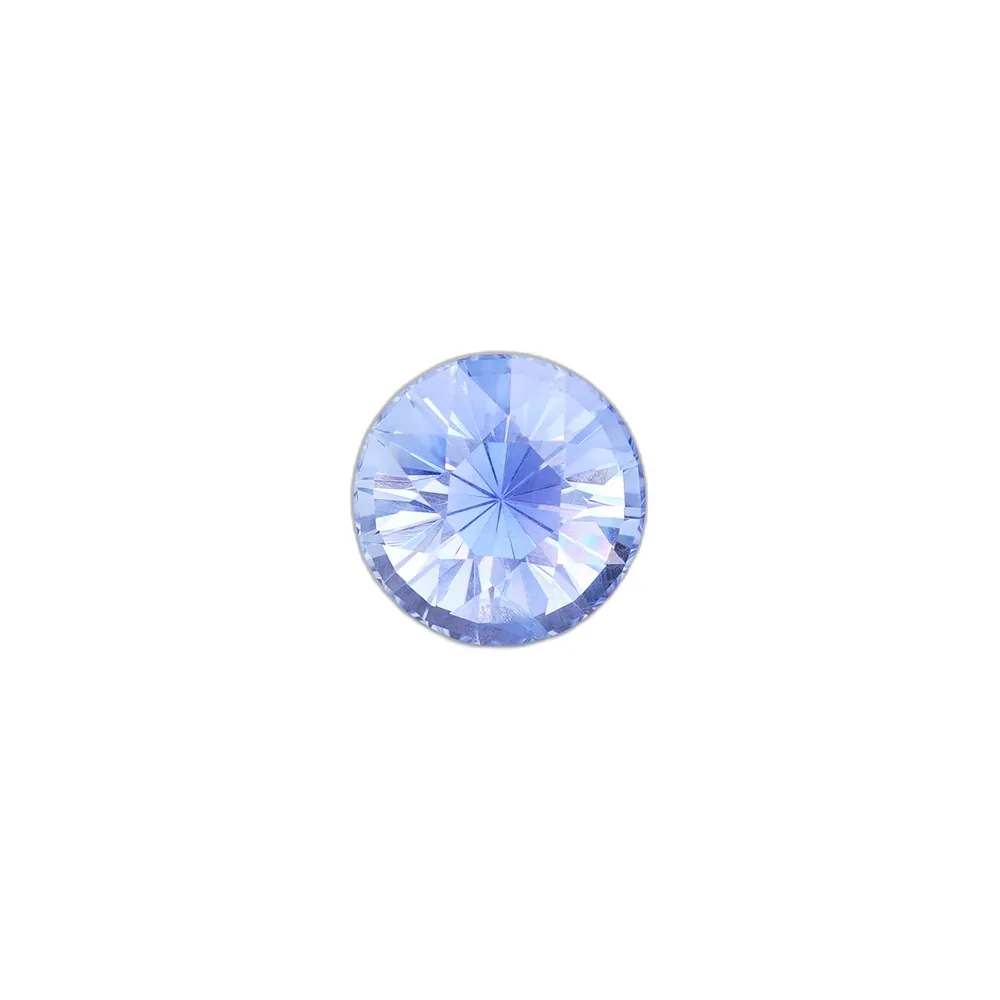
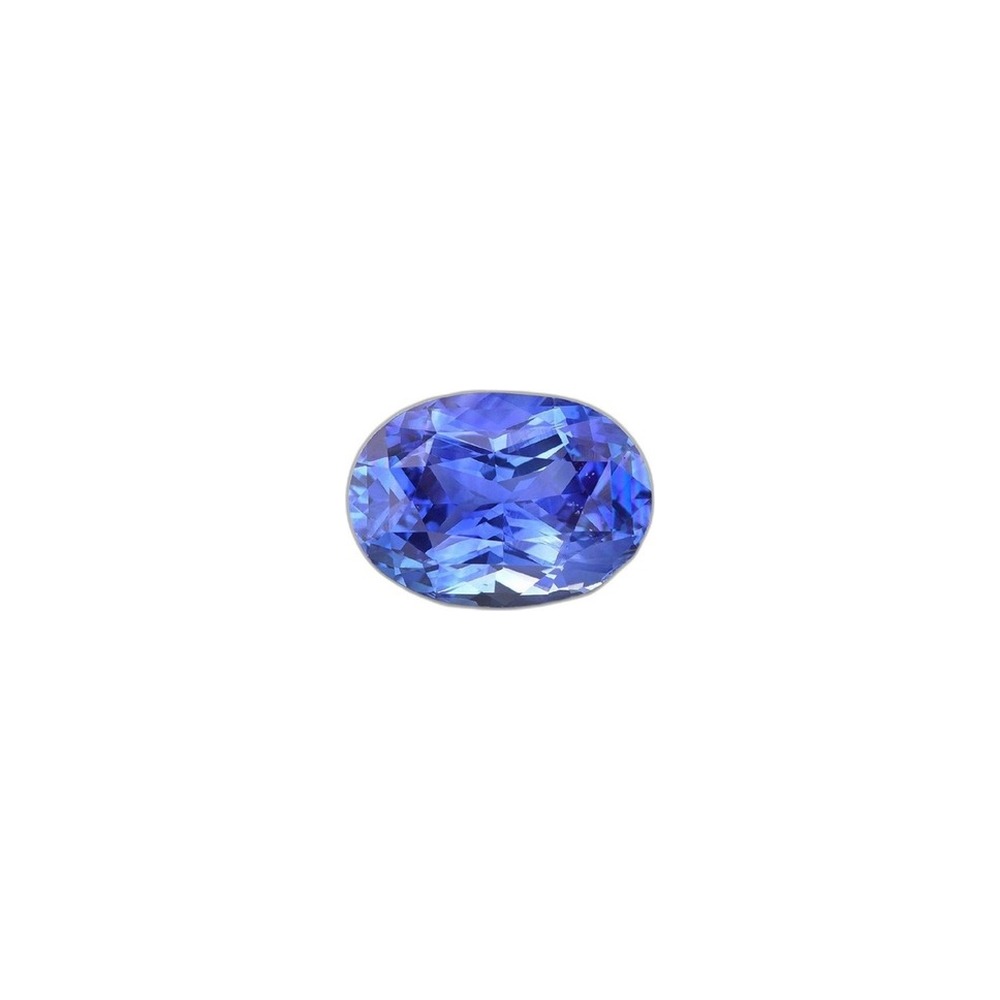
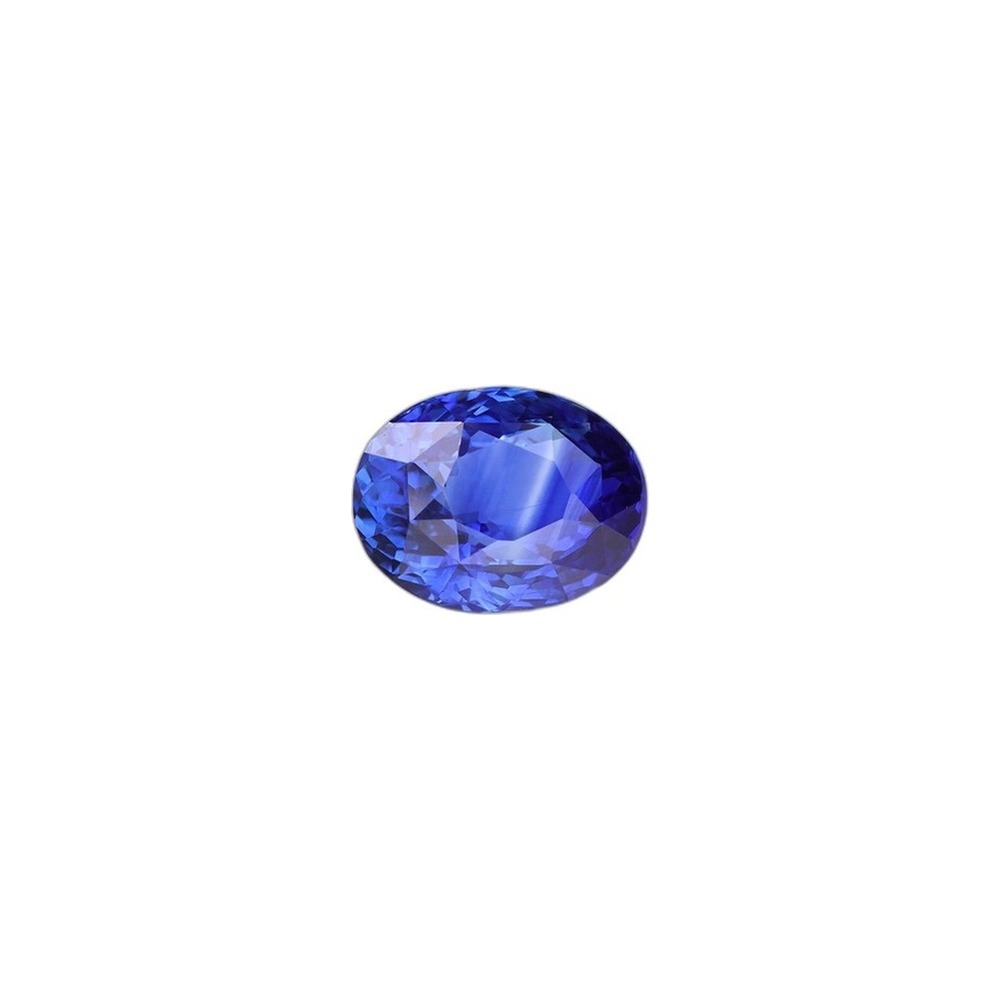
Tanzanite's color is distinctive because it is trichroic — it shows different colors at different viewing angles: blue, violet, and burgundy (in untreated stones). Quality cutting maximises the blue-violet face-up color under daylight illumination while minimising the brown component. Under incandescent light, the best tanzanite shifts to a purer purple — this color change is itself a quality indicator.
Color depth is the primary driver of investment value. Deep blue-violet (leaning more blue than violet) commands a substantial premium over lighter lavender or blue-violet tones. For investment purposes, prioritise deep, saturated blue-violet over lavender or pale violet.
Heat Treatment: Not a Defect
Over 99% of tanzanite is heat-treated. Natural tanzanite rough is typically brown, greenish, or multi-toned. Heating to approximately 600°C transforms these colors into tanzanite's signature blue-violet.
The critical distinction: unlike sapphire — where unheated stones command a 3–8× price premium — tanzanite's heat treatment is entirely accepted by the market and does not reduce value. Almost all commercial tanzanite has been treated, and the market has normalised this as a standard characteristic of the species, not an enhancement.
Untreated tanzanite actually carries no premium — it is often harder to sell because the raw color is less attractive. When buying tanzanite for investment, treatment status is not a value driver. Focus instead on color quality, carat weight, and clarity.
Investment Case: Strengths and Risks
The case for tanzanite:
- • Single-source scarcity with documented depletion timeline
- • Growing demand from Asian buyers unfamiliar with western gemstone hierarchies
- • Lower entry cost than equivalent sapphire — accessible price tier
- • Unique blue-violet color has no direct substitute in the gemstone market
- • As supply declines, pricing power will shift toward holders of existing stock
The risks:
- • No established auction market — lower liquidity than sapphire or ruby
- • Single political jurisdiction risk — Tanzanian mining policy changes could affect supply and export
- • Price discovery is opaque; no reliable public benchmark comparable to auction results
- • Higher price volatility than established gemstone categories
- • Certification is less standardised — TGIC grading is not universally recognised like GRS or GIA
Tanzanite vs Sapphire: How to Choose
For investors new to gemstones, sapphire — particularly unheated fine-quality Ceylon or Burma sapphire — is a more robust starting point. Sapphire has decades of auction records, an established international buyer pool, and transparent price discovery via Sotheby's and Christie's. See our detailed comparison in the sapphire vs tanzanite guide.
Tanzanite works better as a satellite position for investors who have already established a core sapphire holding. Its compelling supply narrative and lower entry cost make it an interesting secondary allocation — not a primary gemstone investment substitute. A reasonable allocation framework: 70–80% core gemstones (sapphire, ruby) and 20–30% satellite positions (tanzanite, spinel, alexandrite) for those willing to accept higher risk for potentially higher upside.
For comparison with other alternative gemstone investments, see the spinel investment guide and our broader gemstone investment guide.
What to Buy If You're Investing
- • Carat weight: 5ct minimum, 10ct+ preferred
- • Color: Deep blue-violet (leaning blue, not lavender)
- • Grade: AAA or above on TGIC scale
- • Clarity: Eye-clean (VVS–VS equivalent)
- • Certification: TGIC or GIA report noting color grade and carat weight
- • Cut: Optimised for blue-violet face-up color, not maximum weight retention
Avoid stones with visible lavender or grey masking the blue-violet. The color depth differential between AAA deep blue-violet and a lower-grade pale lavender is the single most important price driver. For context on investment-grade gemstone selection criteria, the same color-first principle applies across categories.