 SAPPHIRE BANK
SPINEL INVESTMENT GUIDE
For centuries, the most famous "rubies" in the world's crown jewels were actually spinels — including the 170-carat "Black Prince's Ruby" in the British Imperial State Crown. The confusion is understandable: fine red spinels look identical to fine rubies. The difference is that spinels remain dramatically underpriced relative to their rarity, beauty, and the growing awareness among serious collectors that this discrepancy cannot persist indefinitely.
WHY SPINEL IS UNDERVALUED
Spinel is a distinct mineral species — magnesium aluminum oxide — not a variety of corundum like ruby or sapphire. Its physical properties are remarkable: hardness of 8 on the Mohs scale, exceptional brilliance due to its cubic crystal system, and a color range spanning red, pink, orange, blue, purple, and black.
The undervaluation has several historical causes. First, gem-quality spinel is not traded by major retailers the way ruby and sapphire are — most consumers have never heard of it. Second, the historical misidentification of famous spinels as rubies meant that when the distinction was finally drawn, spinels were retroactively demoted in public perception. Third, spinel is almost never treated with heat, so it lacks the large commercial trade infrastructure that heated ruby and sapphire have built.
The investment opportunity lies in the gap between spinel's objective quality metrics and its market price. A fine red Mahenge spinel of 3 carats sells for a fraction of an equivalent Burma ruby — despite the spinel being rarer, untreated, and equally beautiful. As collector knowledge grows, this gap has been narrowing.
MAHENGE VS BURMA: THE TWO PREMIER ORIGINS
Mahenge spinel is considered by most current collectors to be the premier spinel origin for the neon red color that has no parallel elsewhere in the gemstone world. Burma spinel has more historical prestige, but Mahenge's neon quality has captured the collector imagination in a way that Burma spinel at its best approaches but rarely surpasses.
NEON COLORS: THE INVESTMENT SWEET SPOT
The most coveted — and most investable — spinel colors are the neon reds and hot pinks from Mahenge. These stones exhibit a fluorescence-driven brilliance that makes them appear to glow from within, even in dim light. The effect is produced by strong chromium absorption and intense red photoluminescence.
Neon Mahenge spinel in the 1–3 carat range with ideal color (often described as "neon red" or "hot pink-red") currently sells for $5,000–$15,000 per carat. Comparable material in larger sizes (3 carats+) is extremely rare and can exceed $20,000–$40,000 per carat when color is exceptional.
Blue spinel from Burma ("cobalt blue" spinel) is also highly prized — cobalt-colored spinel is among the rarest colors in the gemstone world and has shown strong price appreciation. However, it represents a much smaller share of the investable market.
PRICE TRENDS AND THE UPSIDE CASE
Fine spinel prices at the top of the market have appreciated strongly over the past 15 years, though from a low base. A Mahenge spinel that sold for $1,500/ct in 2008 might sell for $8,000–$12,000/ct today at equivalent quality — an appreciation rate that significantly outpaces most traditional investments.
The upside case rests on a simple argument: the price gap between fine spinels and fine rubies/sapphires of equivalent rarity is unjustified by any objective quality metric. As more collectors discover spinel — driven partly by auction house marketing, partly by the growing colored stone education market — that gap should continue to compress. The remaining gap represents potential future appreciation.
Importantly, spinel is essentially never treated with heat. Unlike rubies and sapphires where unheated stones represent a premium minority, virtually all fine spinels are natural-color untreated. This makes the quality verification process simpler and removes one major source of uncertainty.
CERTIFICATION FOR SPINEL
GRS, Gübelin, and SSEF all certify spinels. GRS is generally preferred for Mahenge spinel, as it has a strong reference database for this specific origin. Key certificate elements for investment spinels:
- —Species confirmed as spinel (not ruby)
- —Origin: Mahenge or Burma — explicitly stated
- —Color description: 'neon red,' 'vivid red,' or 'hot pink' for premium material
- —Treatment: 'no indications of heating' (standard for fine spinel)
- —No fracture filling or other enhancement
RISKS AND CONSIDERATIONS
The primary risk for spinel investment is that the anticipated appreciation may take longer than expected — or may not fully materialize. The price gap between spinel and ruby exists partly because spinel lacks ruby's centuries of royal and cultural prestige, and that intangible may take generations to fully close.
Liquidity is also more limited than for rubies or top sapphires. The buyer pool for spinel, while growing, remains smaller. Auction houses occasionally include exceptional spinels in their major colored stone sales, but the volume is far lower than ruby or sapphire.
Nonetheless, for investors seeking diversification within the colored stone category, spinel offers a compelling asymmetric opportunity: limited downside (hard asset with growing collector base) and substantial upside if the valuation gap continues to close.
FREQUENTLY ASKED QUESTIONS
Is spinel a good investment?
Fine unheated spinels from Mahenge (Tanzania) and Mogok (Burma) are among the most compelling investment opportunities in colored stones. Prices for top Mahenge neon reds have risen 50–200% since 2015. The market is less developed than sapphires — creating both opportunity and risk.
What is the most valuable type of spinel?
Mahenge neon red spinel from Tanzania commands the highest prices — $10,000–$30,000+ per carat for top material. Mogok ruby-red spinel from Burma is also highly prized. Hot pink and vivid red stones from both origins are most sought after for investment.
How does spinel differ from ruby?
Both can be red, and historically spinels were mistaken for rubies. The difference: ruby is corundum (Mohs 9) while spinel is magnesium aluminum oxide (Mohs 7.5–8). Importantly, spinels are never heat treated — all spinels are effectively natural color stones.
Which labs certify investment-grade spinel?
GRS and Guebelin Gem Lab are the primary authorities. A GRS certificate confirming Mahenge or Mogok origin with vivid color description is the market benchmark. Always verify certificate numbers directly on the lab website.
EXPLORE SPINELS
The Sapphire Bank sources Mahenge and Burma spinels, with GRS documentation available on request.
RELATED GUIDES
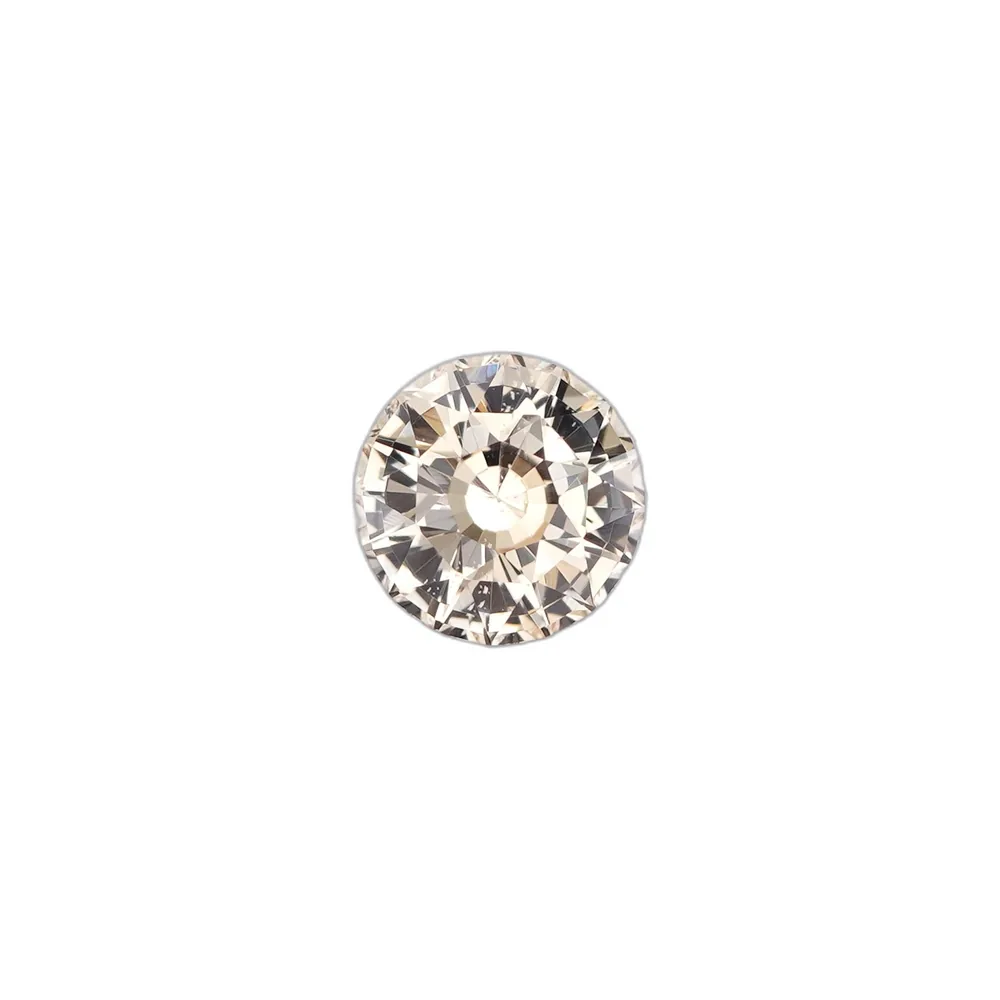
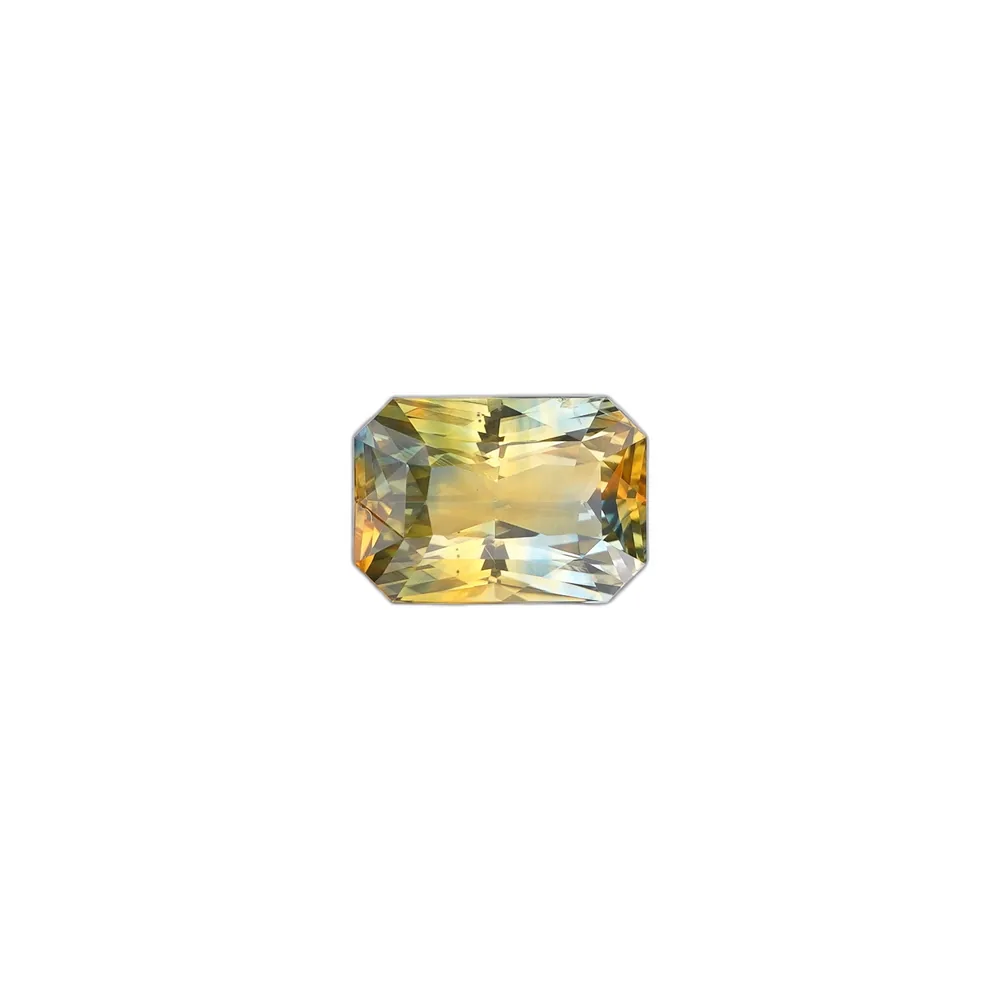
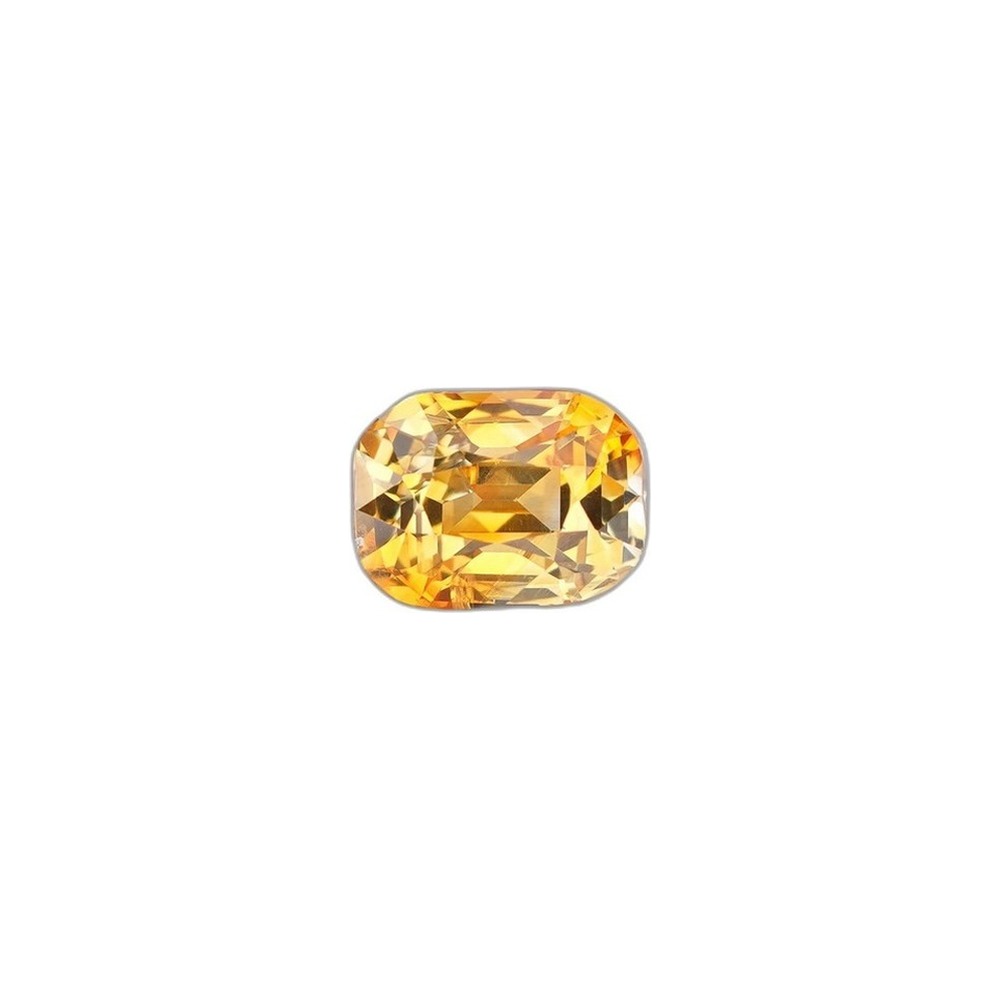
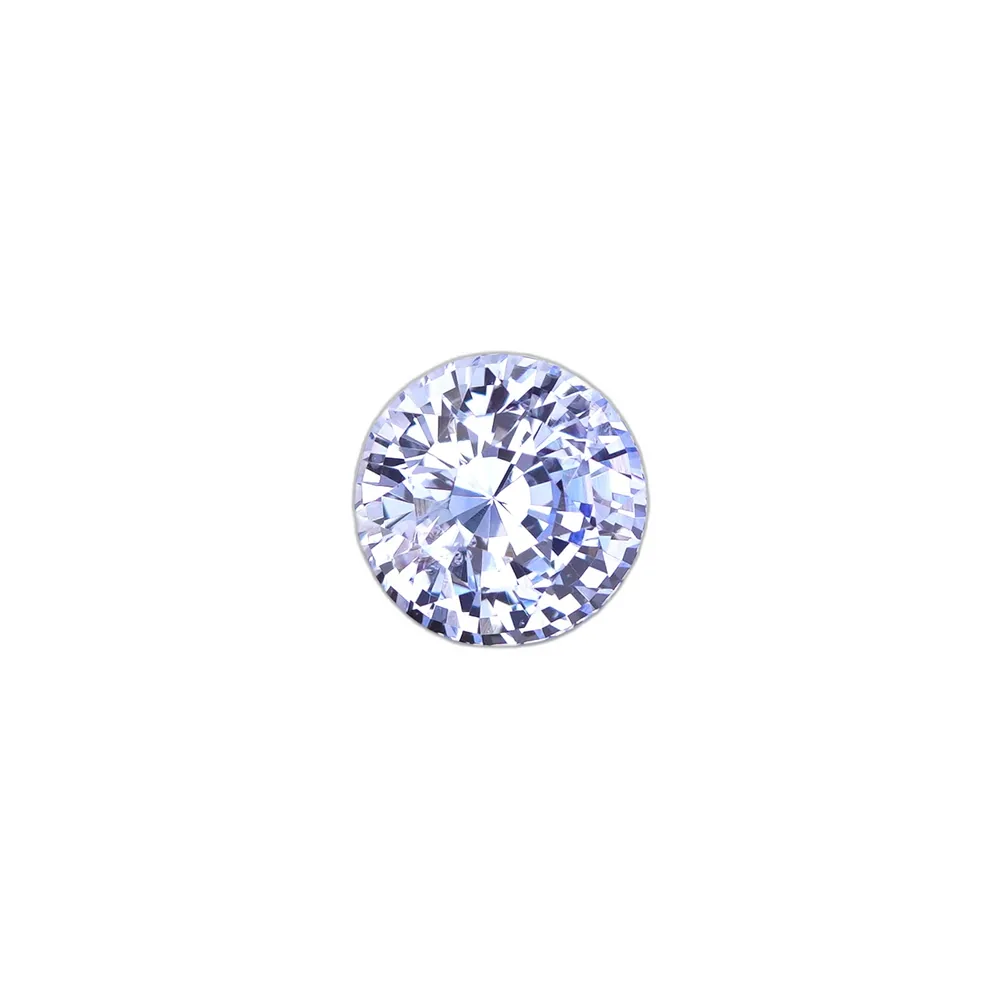
We have no spinels in stock today — that category is sourced on request. These are stones we do hold, and each card shows its own origin.