 SAPPHIRE BANK
SAPPHIRE VS TANZANITE
Tanzanite was discovered in 1967 in the Merelani Hills of northern Tanzania — a single locality that is the only known source of this blue-violet mineral on earth. Its discovery created enormous excitement: a stone from one location, rarer geographically than any established gemstone, with a distinctive blue-violet color. It was marketed aggressively and quickly became one of the best-selling colored gemstones globally. Yet its comparison to sapphire — the benchmark blue gemstone — reveals some fundamental differences that matter enormously for buyers who care about durability and investment.
THE MASTER COMPARISON
HARDNESS: WHY IT MATTERS MORE THAN YOU THINK
The Mohs scale is logarithmic, not linear. The jump from 6.5 to 9 is not "2.5 units" of hardness — it represents an enormous practical difference in scratch resistance. Common household dust contains quartz particles (Mohs 7), which is harder than tanzanite. This means a tanzanite stone worn as a ring will be scratched by dust during normal daily use over time. A sapphire (Mohs 9) will not be scratched by anything except diamond.
Tanzanite also has perfect cleavage in one direction, meaning it can split along a specific crystallographic plane if struck. This makes tanzanite rings particularly vulnerable to accidental impact — a stone can split in two with a moderate knock that a sapphire would survive without a scratch.
For jewelry intended for daily wear — especially rings — this difference is decisive. Tanzanite is appropriate for earrings, pendants, and occasional-wear pieces. For a ring worn every day, including an engagement ring, tanzanite is not suitable for long-term preservation of the stone.
COLOR: TANZANITE'S ADVANTAGE
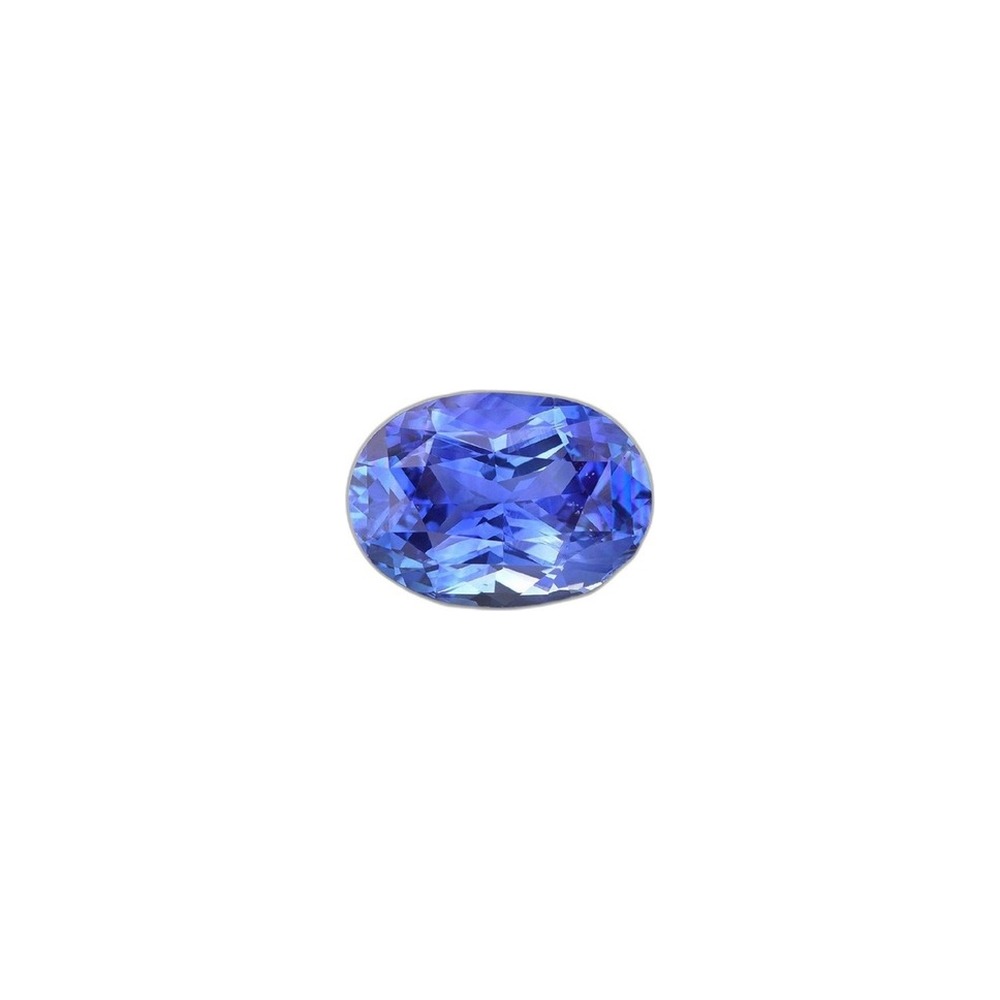
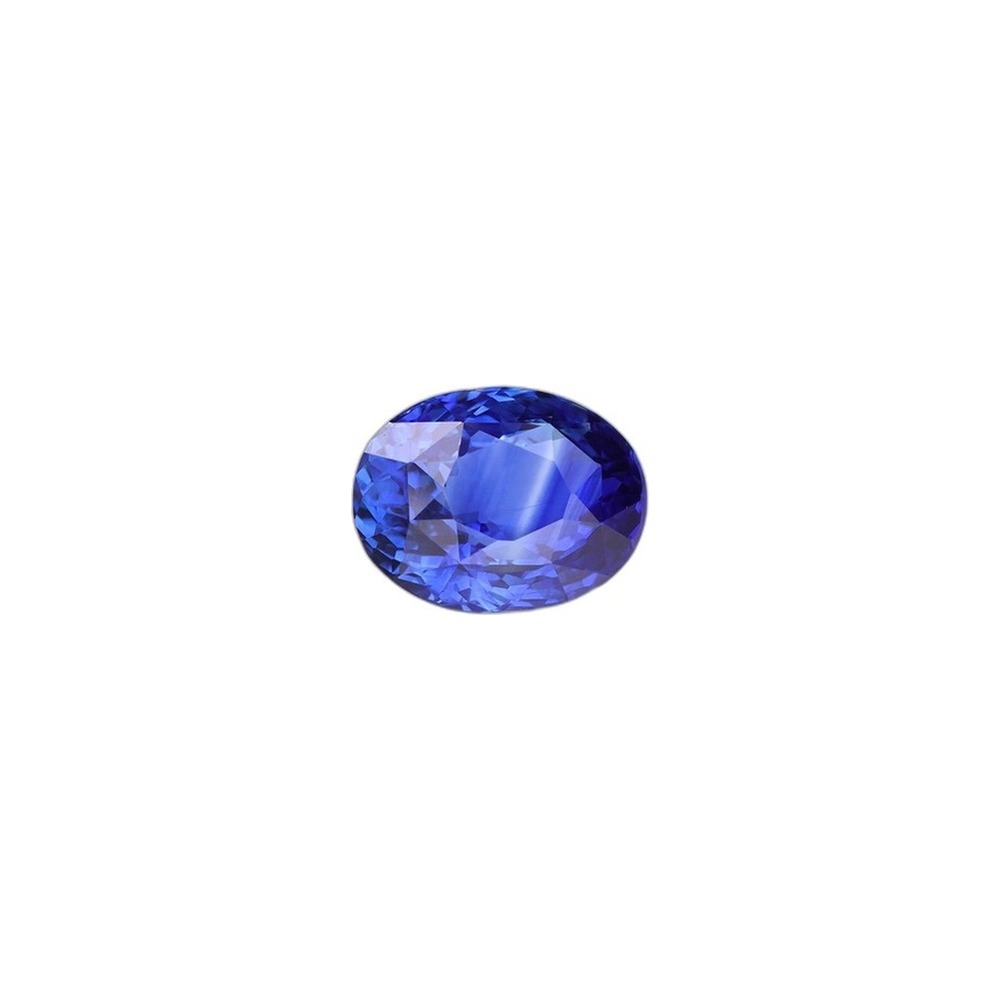
Tanzanite's color is genuinely striking and distinctive. Its pleochroism — the property of showing different colors in different orientations — means that a tanzanite can appear blue-violet when viewed one direction, pure blue from another, and burgundy-purple from a third. Cut to present the blue-violet face-up, a fine tanzanite has a velvet quality that many buyers find more visually complex than a blue sapphire.
The blue-violet color is also unique — no other gemstone naturally produces exactly this combination of blue and violet. Sapphires can be violetish-blue, but the specific character of tanzanite's color is its own.
For buyers who prioritize this specific color and understand the durability limitations, tanzanite can be an excellent choice for non-daily-wear jewelry. The question is whether to buy it as jewelry or as an investment.
INVESTMENT CASE COMPARISON
Tanzanite as investment: The single-source origin is genuinely a supply constraint argument — when the Merelani deposit is exhausted, no new tanzanite will exist. However, the deposit is still producing actively, supply has been substantial for decades, and the price appreciation track record is mixed. Tanzanite experienced significant price appreciation in the 1990s-2000s as it was mass-marketed by Tiffany and major retailers, but prices have been more volatile and less directionally positive since.
The certification infrastructure for tanzanite is also less developed. There is no tanzanite equivalent of the GRS "royal blue" or "cornflower blue" designation that creates clear price anchors for investment-grade material.
Sapphire as investment: Multiple premium origins, decades of auction records, deep certification infrastructure (GRS, Gübelin, SSEF), and a track record of consistent appreciation at the top of the market. The collector base is global and deep. Kashmir and Burma sapphires have supply constraints as permanent as tanzanite's, plus the prestige of centuries of collector recognition.
For investment purposes, sapphire is the significantly stronger choice. Tanzanite's investment case relies on scarcity speculation; sapphire's investment case rests on demonstrated demand, institutional auction market infrastructure, and multiple supply-constrained origins.
THE VERDICT
Buy tanzanite if you love its specific blue-violet color and will wear it in protective settings (pendants, earrings) as beautiful jewelry without expecting significant investment return.
Buy sapphire if durability matters (especially for rings), if investment value is a consideration, if you want a certified stone with a deep resale market, or if you want a stone that can be worn daily for decades without damage.
The two stones are not really direct competitors — they serve different purposes. Tanzanite is a beautiful ornamental gemstone with a unique color. Sapphire is a beautiful ornamental gemstone with the durability and investment infrastructure to function as a store of value.
FREQUENTLY ASKED QUESTIONS
Is tanzanite rarer than sapphire?
Tanzanite is geologically rarer — it exists in a single location near Mount Kilimanjaro. However, investment-grade sapphires (Kashmir, unheated Ceylon) are rarer in practical terms due to their strict quality threshold and exhausted or declining deposit yields.
Is tanzanite a good investment?
Tanzanite has single-source supply and growing awareness, but lacks the centuries-long auction track record of sapphires. It has appreciated since 1967, but resale liquidity is thinner. Best suited for collectors who specifically value it, not as a primary investment vehicle.
How does tanzanite color compare to sapphire?
Tanzanite ranges from blue-violet to deep violet-purple and is trichroic — showing blue, purple, and burgundy at different angles. Sapphires offer a consistent pure blue. For investment purposes, the single-hue consistency of blue sapphire is generally preferred.
Which is more durable, sapphire or tanzanite?
Sapphire is significantly more durable — Mohs hardness 9 with no cleavage. Tanzanite is Mohs 6.5–7 with distinct cleavage, making it prone to chipping. For jewelry and long-term storage, sapphire is the superior choice.
EXPLORE THE SAPPHIRE COLLECTION
Browse investment-grade sapphires with full GRS certification. Hardness 9, multiple origins, centuries of collector history.