 SAPPHIRE BANK
YELLOW SAPPHIRE INVESTMENT
Yellow sapphires occupy a fascinating position in the gemstone investment landscape: they are prized across cultures (revered as "pukhraj" in South Asian tradition, associated with Jupiter and prosperity), produced in several origins with Ceylon as the benchmark, and available at price points from accessible to highly significant. Understanding which yellow sapphires hold value — and why — is the key to this category.
THE COLOR SPECTRUM: WHAT DRIVES VALUE
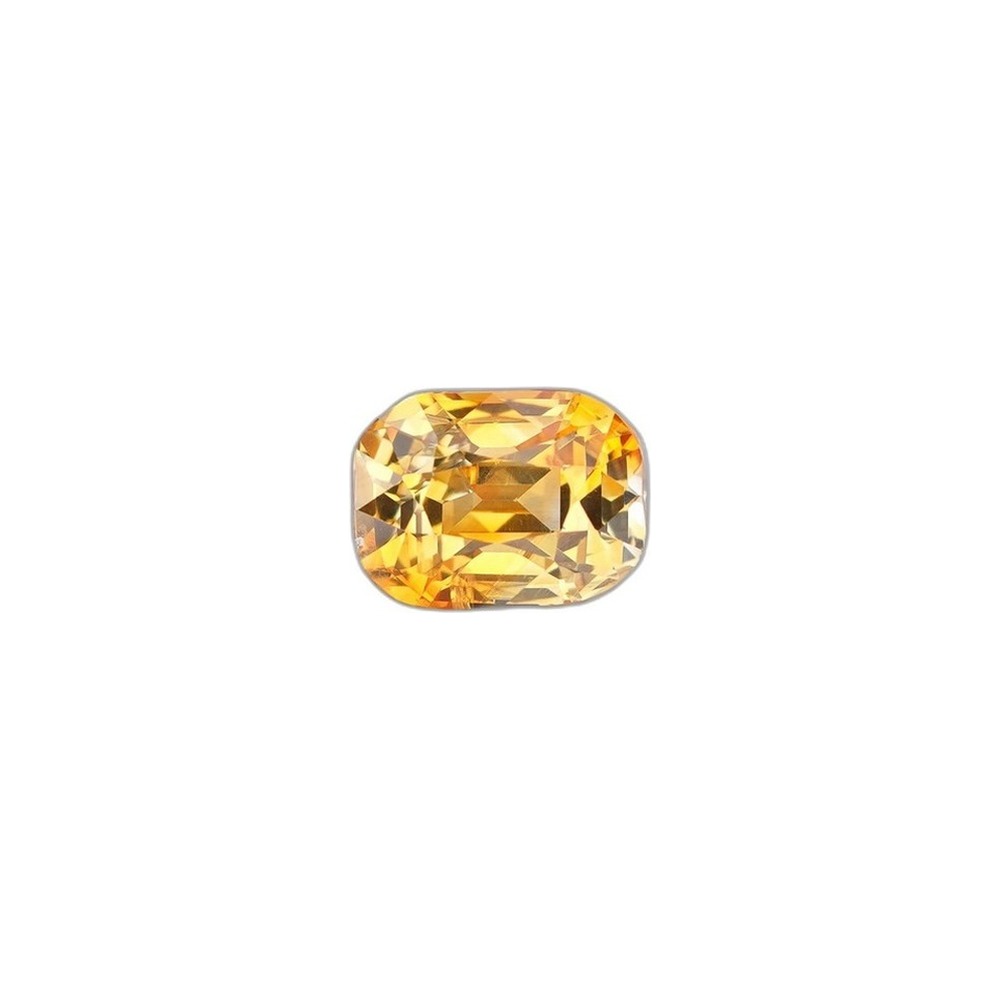
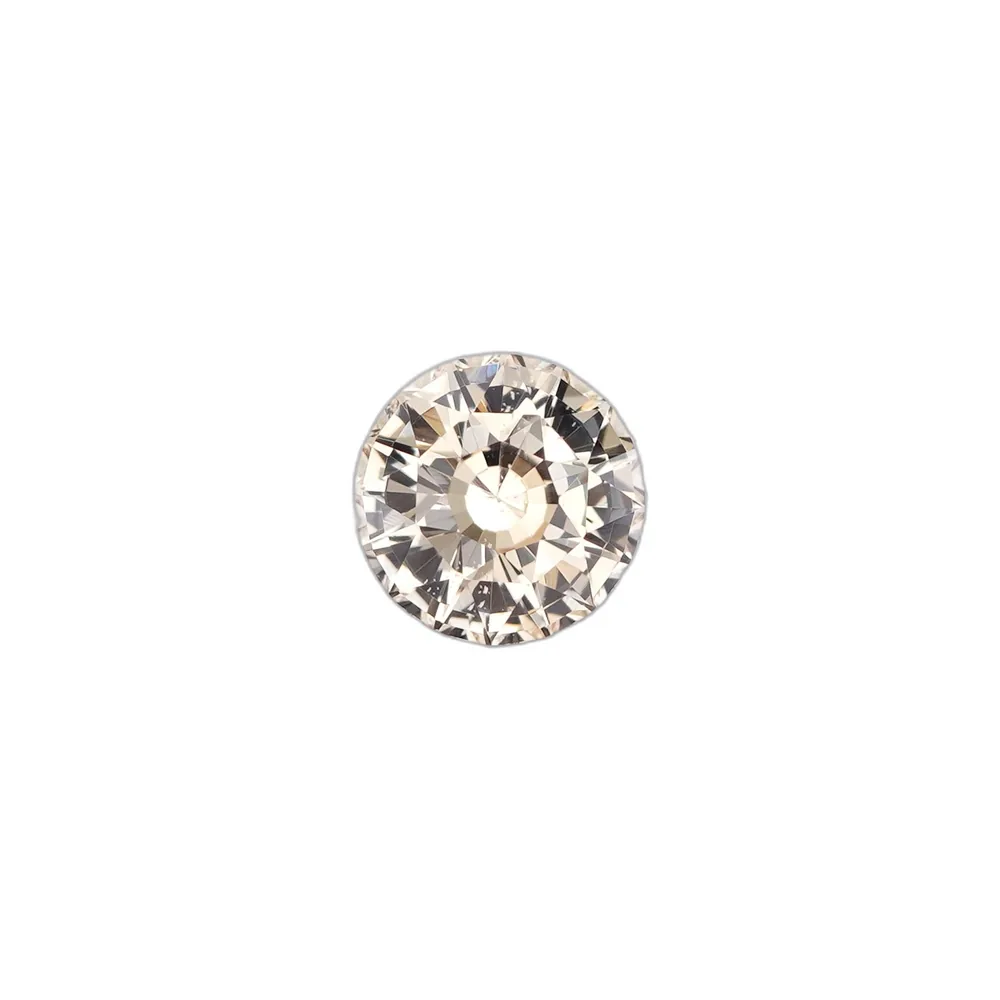
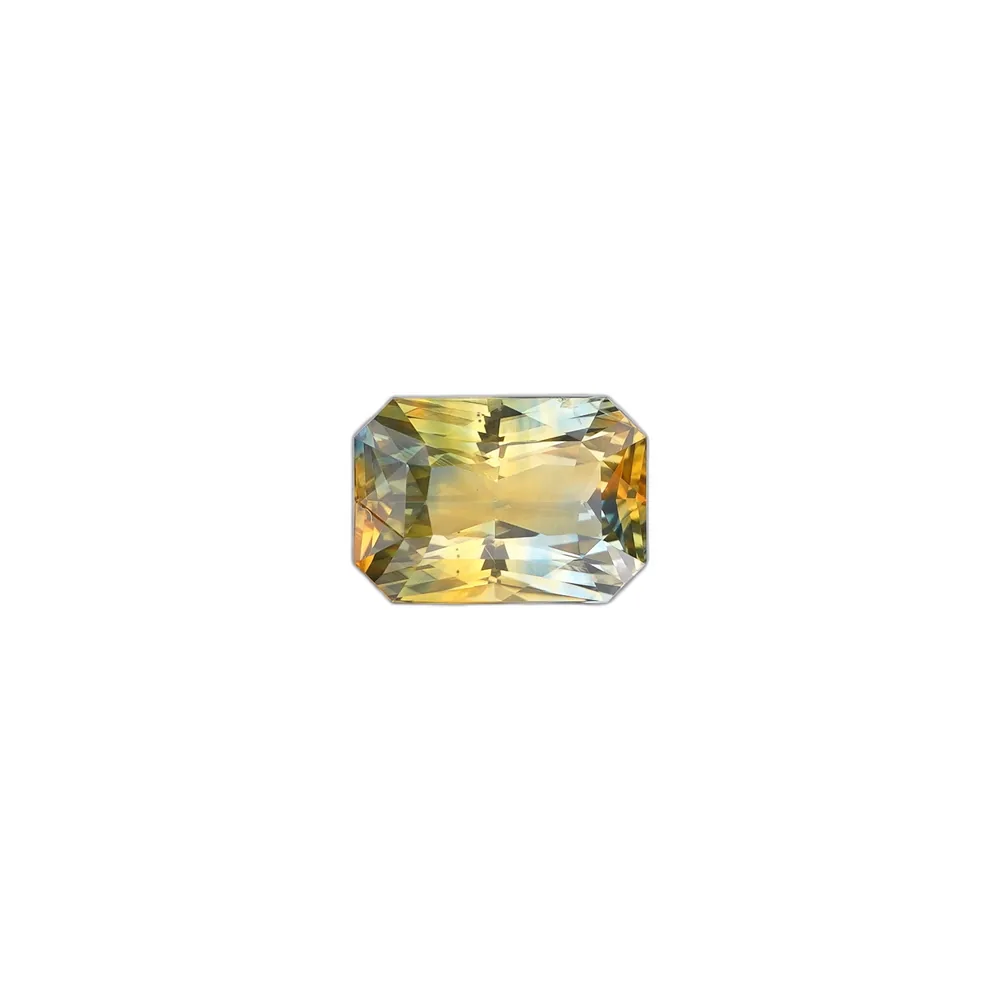
Yellow sapphires range from very pale lemon yellow through rich canary yellow to deep golden orange-yellow. The coloring agent is iron, and the concentration and oxidation state of iron determines where on the yellow spectrum a stone falls.
The ideal yellow sapphire color — vivid canary yellow at medium tone — is actually rare despite the impression that yellow sapphires are common. Most stones are either too pale or have an unwanted greenish or brownish modifier.
CEYLON VS OTHER ORIGINS
Ceylon is the benchmark origin for yellow sapphires, producing stones with a clarity and purity of color that other origins rarely match. Ceylon yellow sapphires typically display a clean, vivid yellow with minimal modifiers and excellent transparency.
PRICE PER CARAT
Yellow sapphires are generally priced lower than comparable blue sapphires — this reflects collector tradition favoring blue, not a difference in rarity or beauty. For investment-grade Ceylon yellow sapphires:
TREATMENT RATES IN YELLOW SAPPHIRE
Yellow sapphires are heavily treated — most commercial market material is heated to improve color. Heat treatment converts pale or colorless sapphires (geuda stones) into yellow color through iron oxidation at high temperatures.
Unheated yellow sapphires from Ceylon are genuinely rare. Ceylon's alluvial deposits produce some naturally yellow material without heating, but the proportion of commercial production that is naturally yellow and heat-free is small — perhaps 5–10% of fine-quality material.
The unheated premium for yellow sapphires is significant: an unheated vivid canary yellow Ceylon sapphire can be worth 4–8× more than a heated equivalent. This large premium reflects both the rarity of natural color and the growing investor preference for untreated stones across all colored stone categories.
INVESTMENT POTENTIAL AND DEMAND DRIVERS
Yellow sapphires benefit from uniquely broad demand: astrology-driven buyers in South Asia (India, Ceylon, Thailand) purchase yellow sapphires in large quantities based on Vedic/astrological tradition associating yellow sapphires with Jupiter and fortune. This creates a demand floor that is independent of Western collector trends.
On top of this cultural demand, Western buyers are increasingly drawn to yellow sapphires as engagement ring alternatives to yellow diamonds — at dramatically lower prices. A vivid 3-carat yellow sapphire can be acquired for $15,000–$50,000 where a comparable yellow diamond might cost $100,000+.
For investors, the combination of cultural demand (stable South Asian buyer base) and growing Western interest suggests a healthy demand trajectory. The primary investment-grade position is in large (3ct+), vivid, unheated Ceylon stones with GRS certification — these represent the intersection of maximum rarity and maximum demand.
FREQUENTLY ASKED QUESTIONS
Are yellow sapphires valuable?
Fine unheated yellow sapphires from Ceylon with vivid pure yellow color are genuinely valuable — GRS-certified material can reach $3,000–$8,000 per carat. Yellow sapphires are significantly more affordable than equivalent blue sapphires, making them an accessible entry into investment-grade corundum.
What makes yellow sapphire investment grade?
Unheated status confirmed by GRS or Guebelin, Ceylon origin for best liquidity, vivid pure yellow with no secondary green or brown tones, eye-clean clarity, and weight above 3 carats. GRS certification explicitly stating no indications of heating is essential.
Are yellow sapphires heat treated?
Most commercial yellow sapphires are heat treated. Unheated yellow sapphires with GRS certification are rarer and command a 50–100% premium over heated equivalents. The unheated premium logic is identical to blue sapphires — natural color is permanent and verifiable.
How do yellow sapphires compare to blue for investment?
Blue sapphires have stronger global liquidity and longer auction track record. Yellow sapphires are more affordable with growing collector interest, particularly from Asian markets. For a first investment, blue Ceylon is the more established market; yellow Ceylon offers value for buyers comfortable with slightly thinner resale liquidity.
EXPLORE THE COLLECTION
The Sapphire Bank offers sapphires across all colors with full origin and treatment disclosure, and certification on request.