 SAPPHIRE BANK
PADPARADSCHA SAPPHIRE VALUE 2026
The word padparadscha comes from the Sinhalese for "lotus blossom" — and the color it describes is equally poetic: a delicate blend of pink and orange that exists in a precise, narrow color band recognized by only the most respected gemological laboratories in the world. Genuine padparadscha sapphires command $10,000 to $60,000 per carat, and the definition of what qualifies is stricter than most buyers realize.
WHAT MAKES A PADPARADSCHA
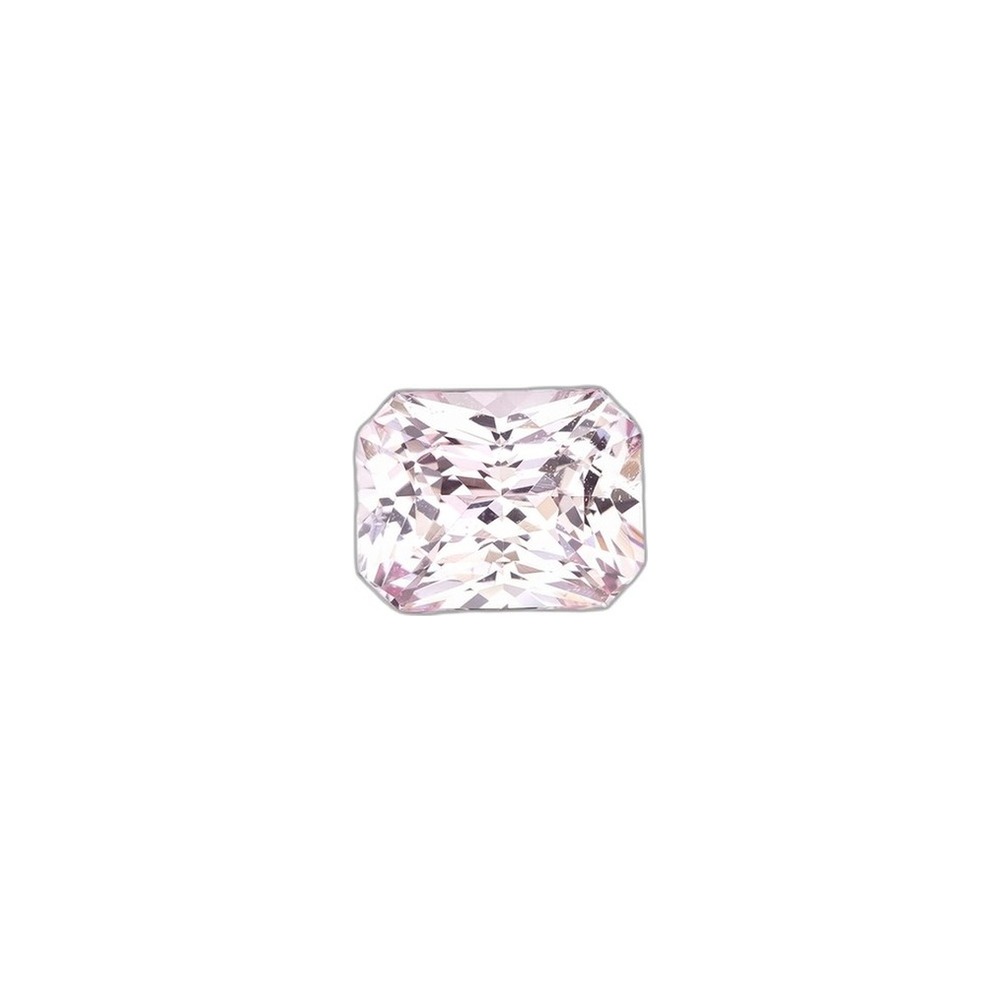
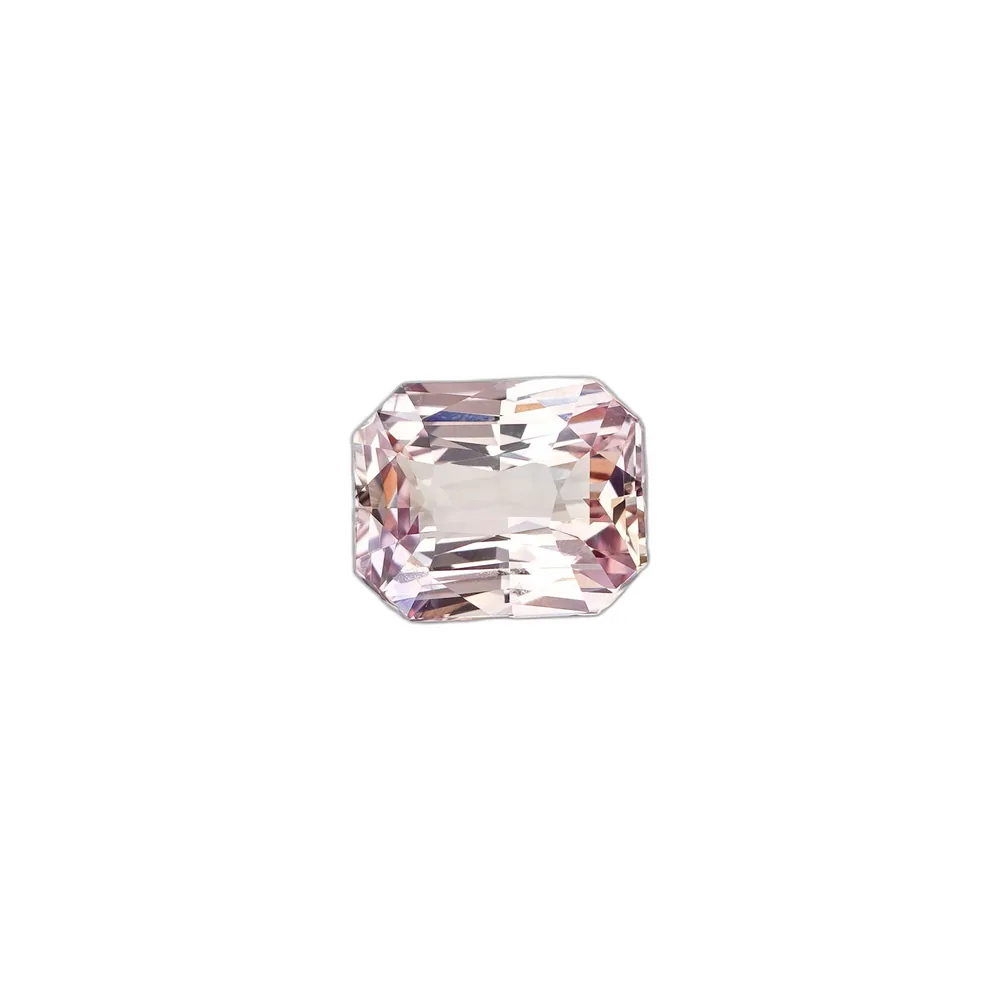
Padparadscha is not simply any pink-orange sapphire. The designation requires a stone to fall within a very specific color range — simultaneously pink and orange, with neither hue dominant, and within a medium to medium-light tone. The analogy most often used is the center of a lotus blossom at the moment of opening, or the color of a sunset over the Indian Ocean.
The challenge is that color perception is subjective, and the padparadscha boundary is contested. This is why certification from a top-tier laboratory is not merely recommended — it is essential. Without a GRS or SSEF certificate explicitly using the word "padparadscha," a stone cannot be sold as one in the serious market.
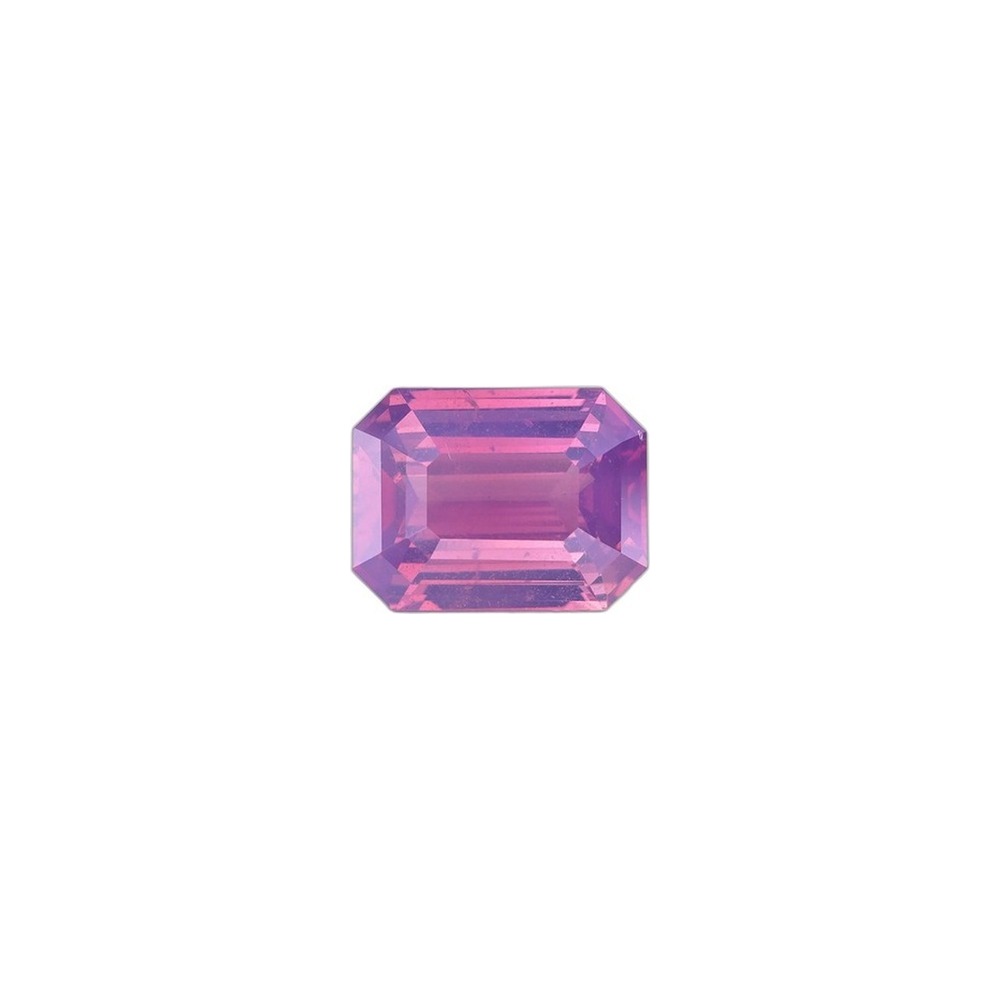
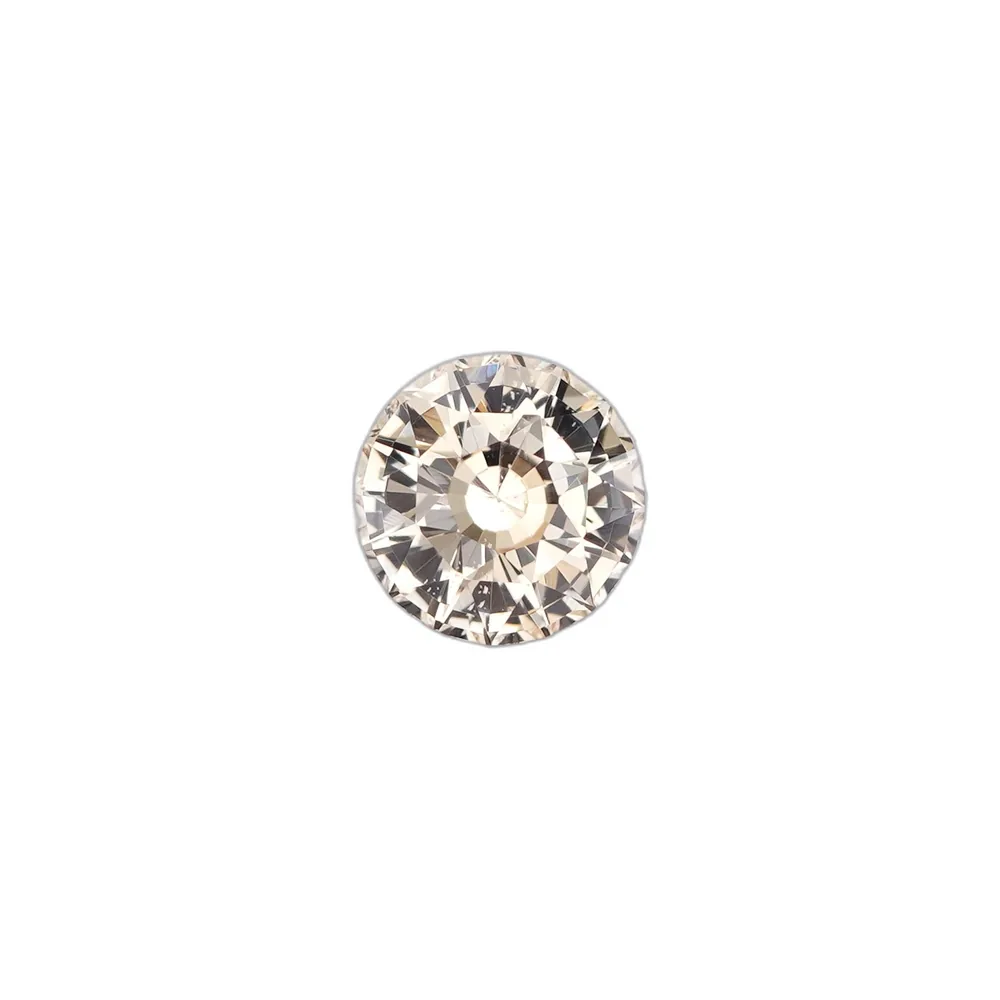
Stones that are too pink become pink sapphires. Stones too orange become orange sapphires. Stones too dark lose the delicacy that defines padparadscha. The qualifying window is genuinely narrow — which is why true padparadscha stones are so rare.
HOW GRS AND SSEF DEFINE PADPARADSCHA
GRS (Gem Research Swisslab) and SSEF (Swiss Gemmological Institute) are the two laboratories whose padparadscha determinations carry the strongest market weight. Their criteria, while not publicly specified in mathematical terms, converge on the following color characteristics:
Importantly, GRS uses the designation "padparadscha sapphire" as a color grade on the certificate — not just as a species description. A stone with this conclusion will have the word "padparadscha" appear prominently in the color section. Without that explicit designation, a stone is not a certified padparadscha regardless of how it appears to the eye.
SSEF is particularly rigorous and is sometimes considered slightly stricter than GRS in its padparadscha determinations. Many serious collectors consider a stone with both GRS and SSEF padparadscha confirmation to be definitively established.
PRICE PER CARAT BY QUALITY
Padparadscha prices are highly sensitive to quality parameters. The table below reflects current market data from auctions and private sales:
Origin plays a role: Ceylon padparadscha sapphires are considered the benchmark, and typically command 20–40% premiums over stones from Madagascar or Tanzania. However, Madagascar has produced some beautiful padparadscha material in recent years, and the origin premium is less dramatic than in the blue sapphire or ruby markets.
FAKES AND COMMON MISREPRESENTATIONS
The padparadscha market has more than its share of misrepresentation, for a simple reason: any seller who can call a stone a padparadscha can ask substantially more for it. The most common forms of misrepresentation include:
Color enhancement. Some stones are treated with beryllium diffusion to shift their color into the pink-orange range. Beryllium treatment can be difficult to detect and requires specialized spectroscopic testing. GRS and SSEF test for beryllium as standard procedure. Labs without this capability may incorrectly certify a treated stone as natural color.
Color description inflation. Many dealers will describe any orange-pink sapphire as a padparadscha, whether or not the color meets the laboratory standard. Without a certificate using the explicit word "padparadscha," this is a marketing claim, not a gemological determination.
Certificates from minor labs. Some laboratories apply the padparadscha designation with far more generosity than GRS or SSEF. A padparadscha certificate from an unfamiliar lab carries limited market value — sophisticated buyers will not pay padparadscha prices for stones without top-tier lab confirmation.
Color instability under lighting. A stone may appear padparadscha under incandescent light but shift to a less balanced color under daylight. True padparadscha color should be consistent and recognizable under standard mixed lighting conditions.
CERTIFICATION REQUIREMENTS
For any padparadscha purchase above $5,000, the minimum acceptable certification is:
- —GRS certificate with explicit 'padparadscha' color designation
- —OR SSEF certificate with explicit 'padparadscha' color designation
- —Beryllium treatment testing confirmed (standard at GRS and SSEF)
- —Heat treatment status disclosed ('no indications of heating' for premium pricing)
- —Origin determination included (Ceylon preferred for top values)
For stones above $15,000, obtaining certification from both GRS and SSEF provides maximum buyer confidence and significantly enhances resale options. The cost of dual certification ($200–400 total) is negligible relative to the stone's value.
THE INVESTMENT CASE FOR PADPARADSCHA
Padparadscha sapphires combine rarity, beauty, and strong collector demand. Their supply is constrained not just by the scarcity of the deposits (primarily in Ceylon, Madagascar, and Tanzania) but by the extreme narrowness of the qualifying color range — most of what is mined from padparadscha-producing areas simply does not meet the standard.
Demand has grown steadily as awareness of colored stone investing has expanded, particularly among buyers in Asia who are drawn to the pink-orange color palette. Price appreciation over the past decade has been consistent for top-quality material.
The primary risk is the same as all colored stones: illiquidity. Padparadscha is a niche within a niche, and finding a buyer willing to pay full value requires access to the right channels — specialist dealers, auction houses, or the growing online market for certified rare gemstones.
FREQUENTLY ASKED QUESTIONS
What price per carat do padparadscha sapphires command?
True GRS-graded padparadscha sapphires range from $10,000 to $60,000+ per carat depending on size, color intensity, and origin. Top specimens with perfect lotus-pink-orange saturation and no heat treatment from Ceylon can exceed $80,000 per carat at major auction houses.
What is the exact color definition of a padparadscha sapphire?
GRS defines padparadscha as a delicate pinkish-orange to orangy-pink sapphire evoking the color of a lotus blossom at sunset. The color must be simultaneously present in both pink and orange hues — a stone that is purely pink or purely orange does not qualify. SSEF and Gübelin apply similarly strict definitions.
Are heated padparadscha sapphires worth buying as investments?
Heated padparadscha sapphires are worth significantly less than unheated specimens — typically 50–70% less per carat for equivalent quality. For investment purposes, only unheated padparadscha sapphires with explicit "no indications of heating" conclusions from GRS or SSEF are considered premium-grade assets.
Which origin produces the finest padparadscha sapphires?
Ceylon is the dominant source of classic padparadscha sapphires. Madagascar produces some padparadscha-colored stones but they are generally considered secondary to Ceylon origin. A GRS "Padparadscha" color classification on a Ceylon-origin stone is the benchmark for investment quality.
EXPLORE PADPARADSCHA SAPPHIRES
The Sapphire Bank specializes in rare sapphires including padparadscha. Every stone carries transparent provenance disclosure, with full GRS documentation available on request.