 SAPPHIRE BANK
KASHMIR SAPPHIRE ORIGIN
Kashmir sapphires come from one of the most remote gem deposits ever mined — a single Himalayan location that produced extraordinary blue sapphires for approximately twenty years before becoming commercially exhausted. Every Kashmir sapphire that exists today was mined before 1900.
GEOGRAPHY: THE ZANSKAR RANGE AND PADDAR MINES
The Kashmir sapphire deposit lies in the Paddar district of the Zanskar Range, in what is now Jammu & Kashmir, India — at elevations above 5,000 metres. The region is accessible only during a brief summer window, with extreme winters making year-round habitation impossible.
The deposit was discovered in 1881 after a landslide exposed the gem-bearing pegmatite rock. Intensive mining followed immediately — the Indian government, local rulers, and international dealers all recognized the significance of the find. The primary output occurred between approximately 1882 and 1887, with significant secondary production in the following decade. By the early 1900s, the most accessible and productive portions of the deposit were essentially exhausted. Subsequent attempts at mining — including several government-sponsored expeditions in the 20th century — produced negligible commercial quantities.
The geological conditions that created Kashmir sapphires — specific pressure, temperature, and chemistry within the Himalayan orogeny — are not replicated elsewhere. This is not a deposit that was mined out and can be found again nearby. It is geologically unique.
THE LEGENDARY CORNFLOWER/VELVETY BLUE
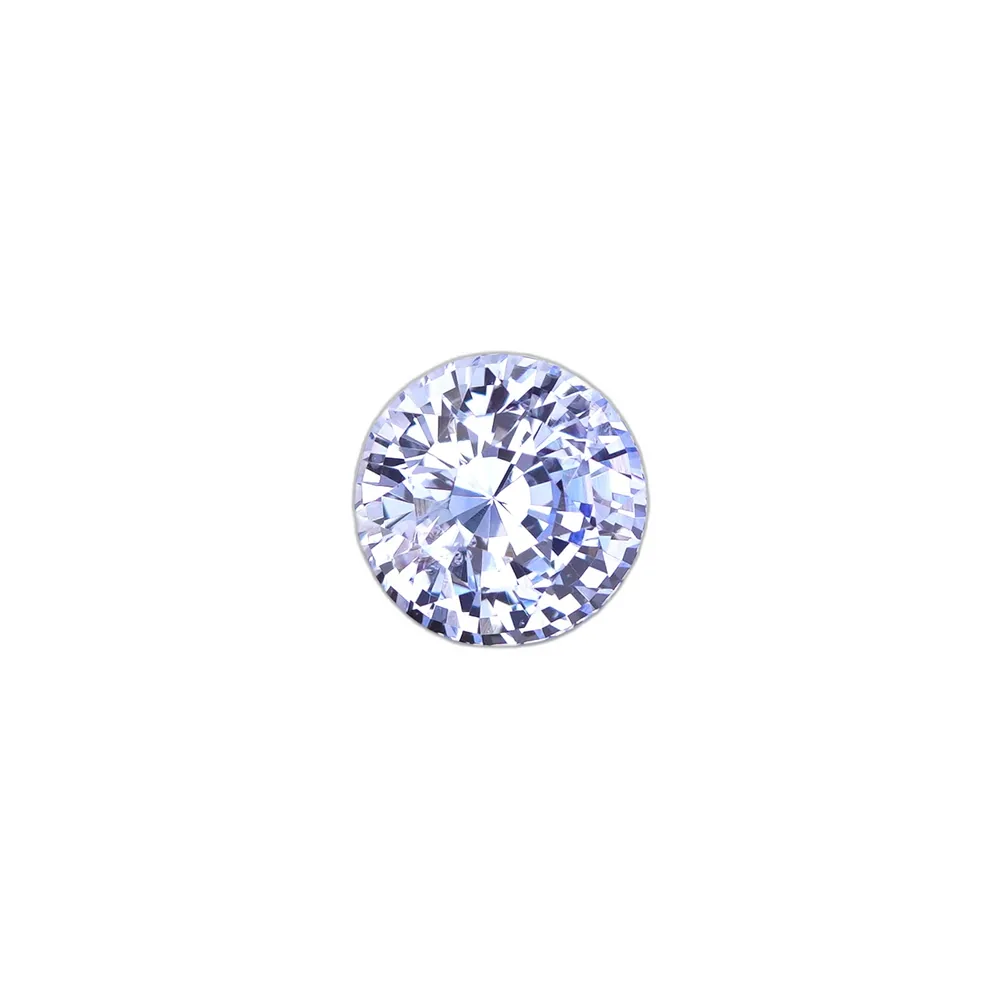
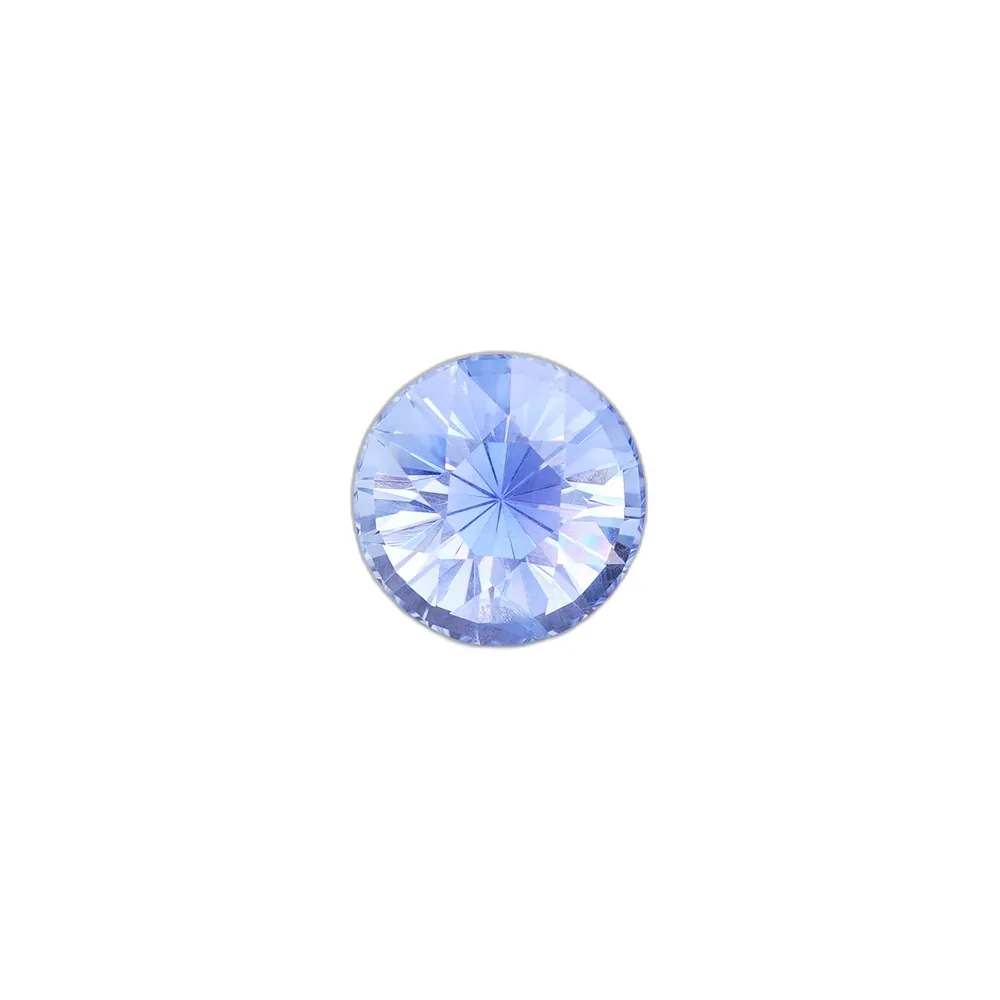
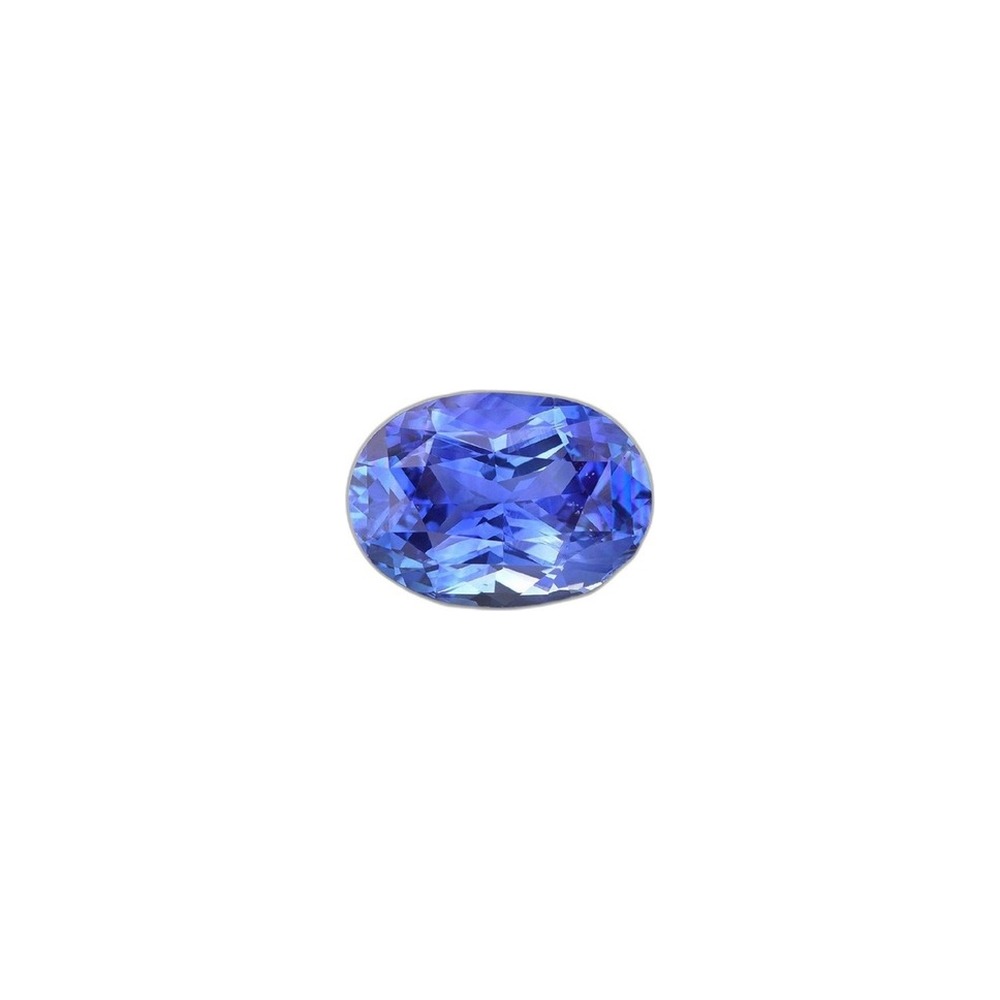
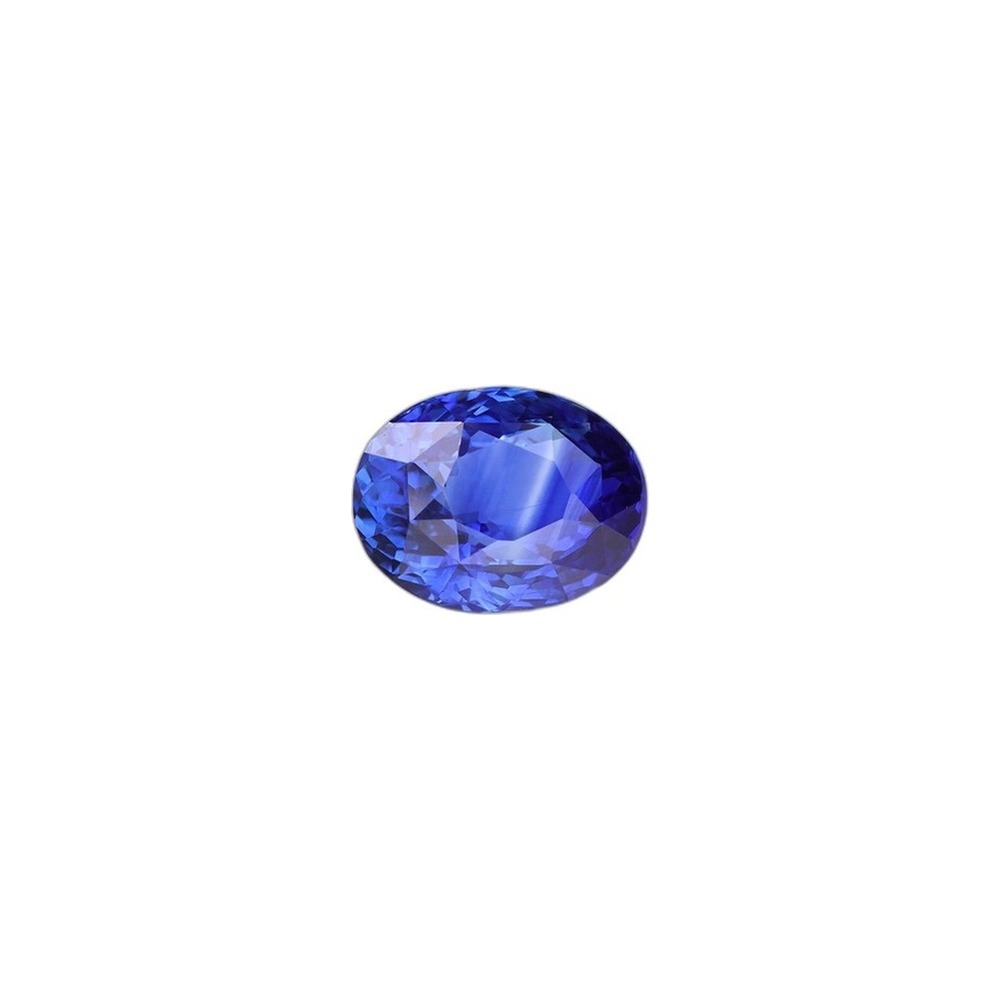
Kashmir sapphires are described by gemologists as having a “velvety” blue — a deep, saturated colour with an almost milky internal glow that no other origin replicates. This quality arises from the unique combination of iron and titanium impurities and a high density of microscopic silk inclusions that scatter light internally.
The result is a blue that simultaneously appears deep and soft — darker than most Ceylon cornflower blue, yet with none of the harshness that can characterise some heavily saturated stones. GRS designates the finest Kashmir colour as “royal blue,” but experienced gemologists recognise Kashmir's specific quality as distinct: a blue that changes subtly with the light, revealing depth rather than just colour.
The silk inclusions responsible for the velvety effect are simultaneously diagnostic of Kashmir origin — their specific character and distribution are features that laboratories use to confirm provenance. A Kashmir sapphire that is excessively clean, paradoxically, raises questions.
WHAT THE ORIGIN IS WORTH
Provenance is the whole of the premium here. A stone that a laboratory calls Kashmir is valued against a supply that stopped expanding in the 1880s, so the same colour, clarity and weight carries roughly 5–10× the price of an equivalent Ceylon stone. Fine unheated material with a credible origin report trades at $50,000–$200,000+ per carat; Kashmir-origin material with weaker colour trades far below that.
Because the spread is driven by grade rather than by origin alone, the tier-by-tier and 1ct-to-30ct numbers live on a dedicated page rather than here. See the full Kashmir sapphire price per carat guide for the grade ladder, the weight table and the auction record.
HOW TO VERIFY KASHMIR ORIGIN (GRS/GÜBELIN)
Kashmir origin can only be confirmed by a top gemological laboratory — specifically GRS (Gem Research Swisslab), Gübelin Gem Lab, or SSEF. These laboratories use spectroscopic analysis, microscopy, and cross-reference against extensive Kashmir reference databases to identify the specific inclusions and chemical fingerprint unique to Paddar material.
Never pay a Kashmir premium without a current certificate from one of these three laboratories explicitly stating “Kashmir” as the geographic origin. Certificates from less recognized laboratories, dealer opinions, or historical documents without modern laboratory confirmation do not meet the standard for investment-grade Kashmir transactions.
For any Kashmir stone above $20,000 in value, obtaining both GRS and Gübelin certificates is standard practice. Both labs offer online certificate verification where you can confirm authenticity against a certificate number.
KASHMIR VS CEYLON: KEY DIFFERENCES
FREQUENTLY ASKED QUESTIONS
Where are the Kashmir sapphire mines?
The Paddar district of the Zanskar Range, Jammu & Kashmir, India — above 5,000 metres elevation. Mined approximately 1881–1900, now inaccessible and commercially exhausted.
Why did supply stop in the 1890s?
The primary deposit was exhausted within ~20 years of discovery. Extreme altitude and remoteness made continued extraction economically unviable. No meaningful new production has occurred since the early 1900s.
How is Kashmir origin verified?
Only by GRS, Gübelin, or SSEF using spectroscopy and microscopy. Never pay a Kashmir premium without one of these certificates explicitly stating Kashmir origin.