 SAPPHIRE BANK
THE MIDNIGHT KASHMIR STORY
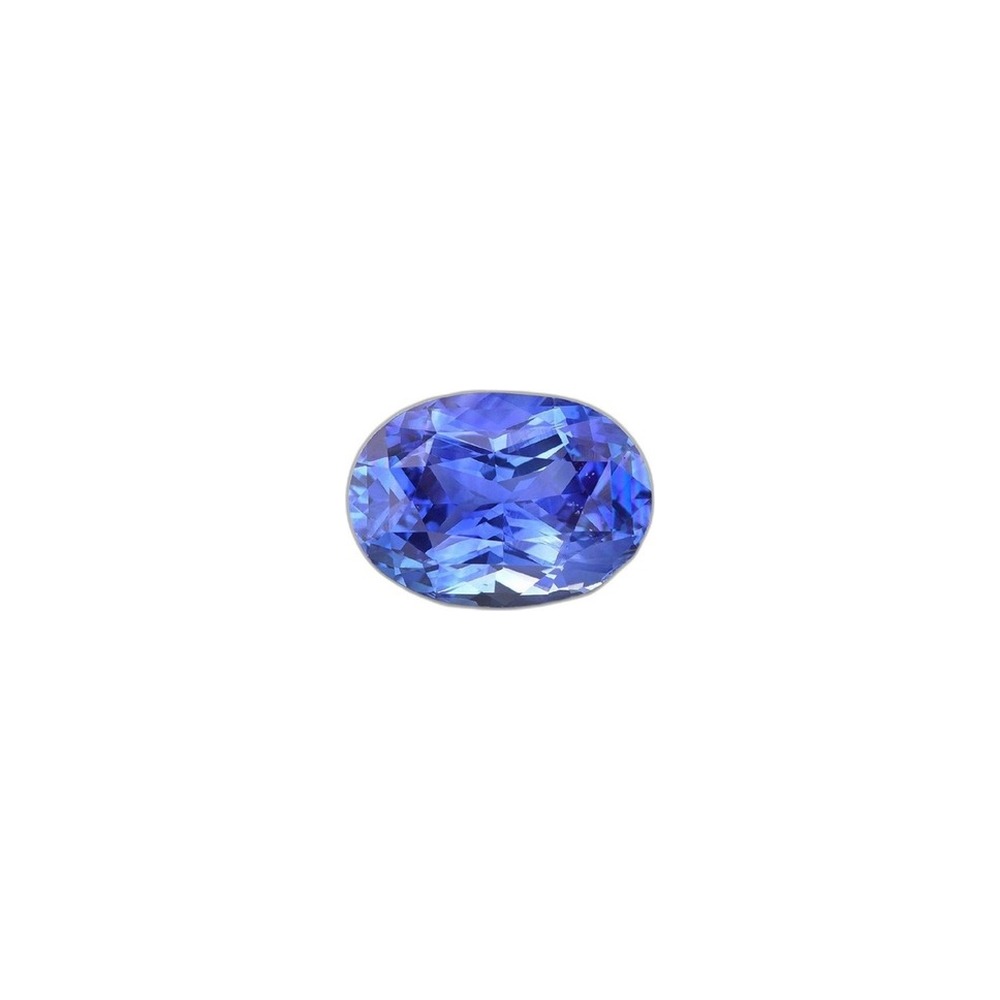
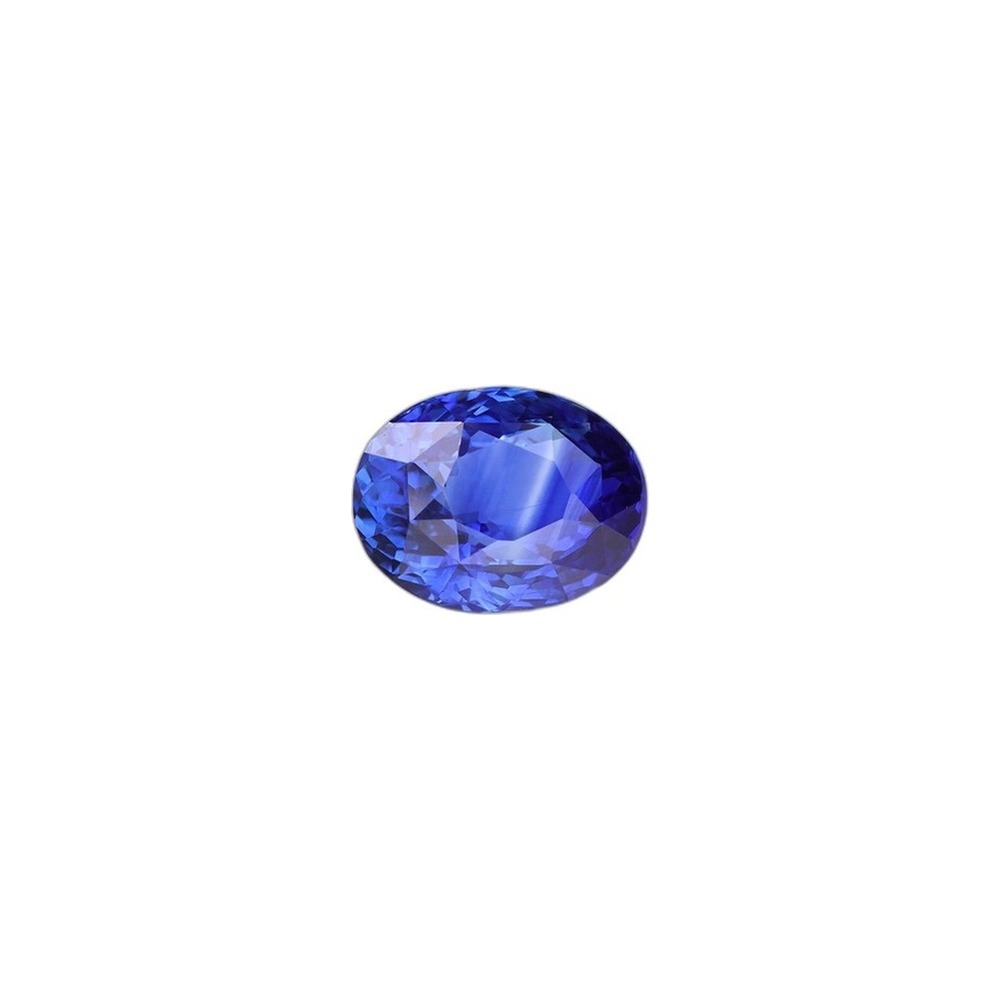
SPH-003 · 4.05ct · Deep Vivid Blue · Oval · Slightly Heated · Ceylon · Certification on request
The finest stones don't announce themselves. They wait. We had been working with a trusted dealer at the Beruwala Gem Market for several years — a man who had spent three decades navigating the intricate networks of Ceylon's gem trade — when he called us early one morning in March 2026. The market was just opening. The harbour air was cool, and the light was still grey when we arrived.
He placed several stones on the white cloth in front of us. Most were competent — good color, clean material, the kind of stones that fill the mid-range of the market without ever stopping conversation. Then we reached the fourth stone. An oval, approximately 12 by 9 millimetres, sitting quietly in a folded paper parcel. We picked it up and held it to the morning light.
The blue was not the kind of blue that shouts. It was deeper than that — a dark, almost oceanic saturation that seemed to hold light rather than scatter it. Not the bright, sky-like cornflower blue that catches the eye across a room. This was something more serious: a colour that rewarded attention, that looked different every time you shifted the angle, revealing a depth that most sapphires simply do not possess. We named it the Midnight Kashmir almost immediately, before any paperwork was filed.
The stone is 4.05 carats — a weight that sits in an important range for oval sapphires. Large enough to show color character fully, precise enough that the proportions remain ideal. The dimensions, 12.1 by 9.4 by 6.1 millimetres, tell the story of a well-executed cut: a depth ratio that maximises the saturation of that blue without sacrificing the brilliance that makes a stone alive in the hand. Oval cuts, done well, are among the most efficient at preserving carat weight while showcasing color — and this one was done well.
Ceylon origin was confirmed by direct observation before formal testing began. Ceylon has been producing sapphires for over two millennia. The specific geography of the island — particularly the gem-rich alluvial deposits around Ratnapura and the trading flows that concentrate in Beruwala — produces a range of blues from light cornflower to the dense, vivid tones that characterise the very finest Ceylon material. This stone sat at the darker end of that spectrum.
The Midnight Kashmir has not been sent to a laboratory. Our assessment — Ceylon origin, a colour in the deep vivid blue range, slight heating — comes from our own gemmological examination at acquisition and from the dealer's disclosure, not from a lab report. A full GRS certificate can be arranged on request at purchase; the process takes four to six weeks and covers spectrographic analysis, microscopy and chemical testing against GRS's reference database. On a stone at this price, lab work is a meaningful share of the cost, which is why we leave the decision with the buyer rather than pricing it in.
That last notation — slightly heated — is worth explaining. Heat treatment in sapphires exists on a spectrum. Commercial heating is standard practice across most of the trade, applied at high temperatures to dramatically alter colour. Slight heating occupies a different category: minimal intervention, often barely detectable, applied to a stone that already possessed exceptional colour. The Midnight Kashmir's colour is not a product of treatment. The treatment is a footnote.
A lab certificate is what turns a beautiful object into a verifiable asset. It fixes the colour grade in writing, from a laboratory whose conclusions are accepted at every major auction house worldwide. It confirms origin and establishes treatment status. For a collector or investor these are not luxuries — they are the foundation on which any serious transaction rests, and the reason we will arrange certification for any stone a buyer intends to hold as an investment.
We have looked at thousands of sapphires sourced through the Beruwala market. Stones with the depth of colour the Midnight Kashmir carries appear rarely, and when they do they tend not to stay available for long. The stone is currently offered at $2,500, which we regard as positioned conservatively relative to its size and colour quality.
If you are building a position in investment-grade Ceylon sapphires, or simply looking for a stone with genuine character, we are happy to arrange a 360° viewing over WhatsApp and to organise GRS certification before you commit.
FREQUENTLY ASKED QUESTIONS
What is a deep blue Ceylon sapphire?
A deep blue Ceylon sapphire from Ceylon carries an intensely saturated hue — darker than cornflower blue, richer than commercial grades. GRS "Deep Vivid Blue" is among the highest colour designations the lab awards.
What does a GRS certificate add, and can one be arranged?
A GRS report confirms origin, treatment status and colour grade using spectrographic analysis and microscopy, which is what makes a stone verifiable at resale. SPH-003 has not been submitted; we can arrange a certificate on request at purchase, in four to six weeks.
Why does the oval cut matter for colour?
Oval cuts preserve more rough weight than round cuts and allow the lapidary to position the stone so its deepest colour zone is directly visible face-up. Done well, an oval cut maximises colour saturation without sacrificing brilliance.