 SAPPHIRE BANK
SAPPHIRE ENGAGEMENT RING BUYING GUIDE
The sapphire engagement ring experienced a cultural renaissance when Prince William proposed to Catherine Middleton with a 12-carat Ceylon blue sapphire that had belonged to Princess Diana. But sapphires don't need royal endorsement — their practical virtues make them an objectively excellent engagement ring choice: hardness of 9 on the Mohs scale (second only to diamond), extraordinary color range, and prices that allow a significantly larger, more vivid stone for the same budget as a comparable diamond.
WHY SAPPHIRES FOR ENGAGEMENT RINGS
Hardness. With a Mohs hardness of 9, sapphires are the second hardest natural gemstone. Diamond is 10. For a stone worn daily — which an engagement ring will be for decades — hardness matters enormously. Softer stones (emeralds at 7.5–8, tanzanite at 6.5) scratch and chip with daily wear. A sapphire, properly set, will look as good in 40 years as it does today.
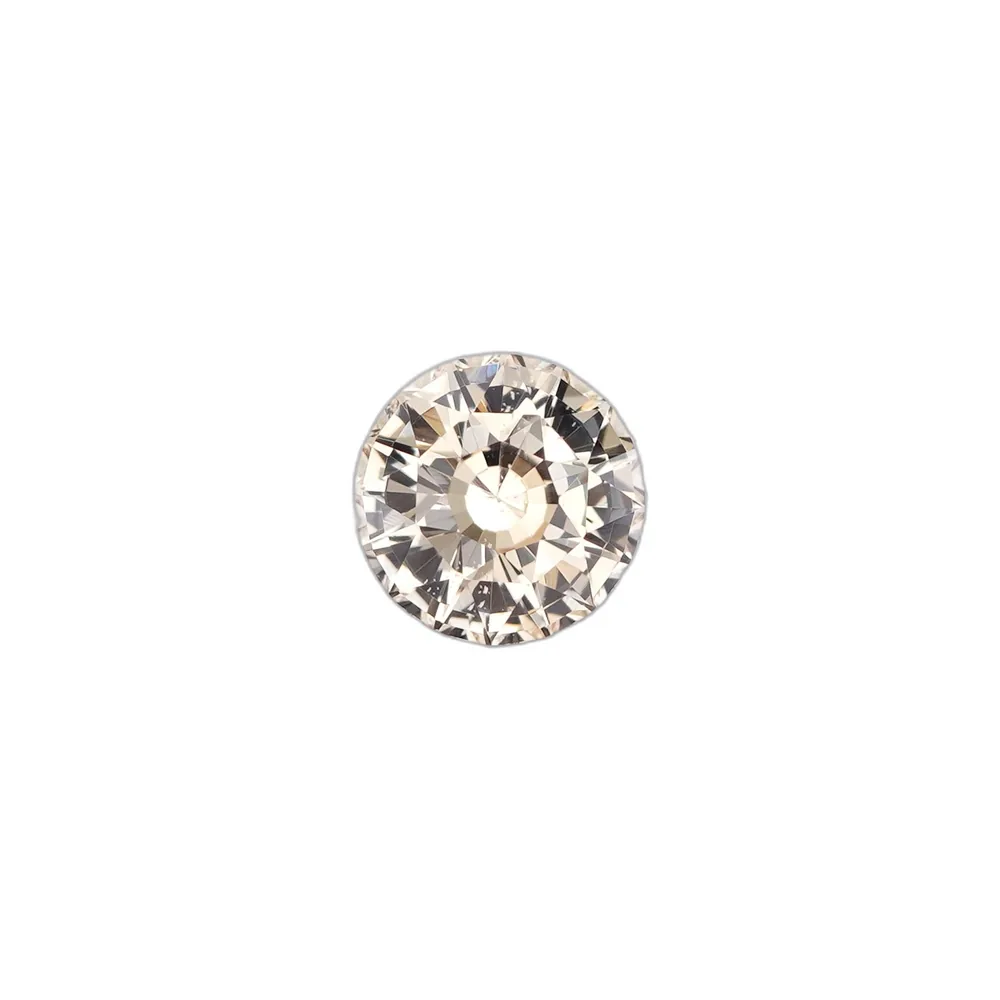
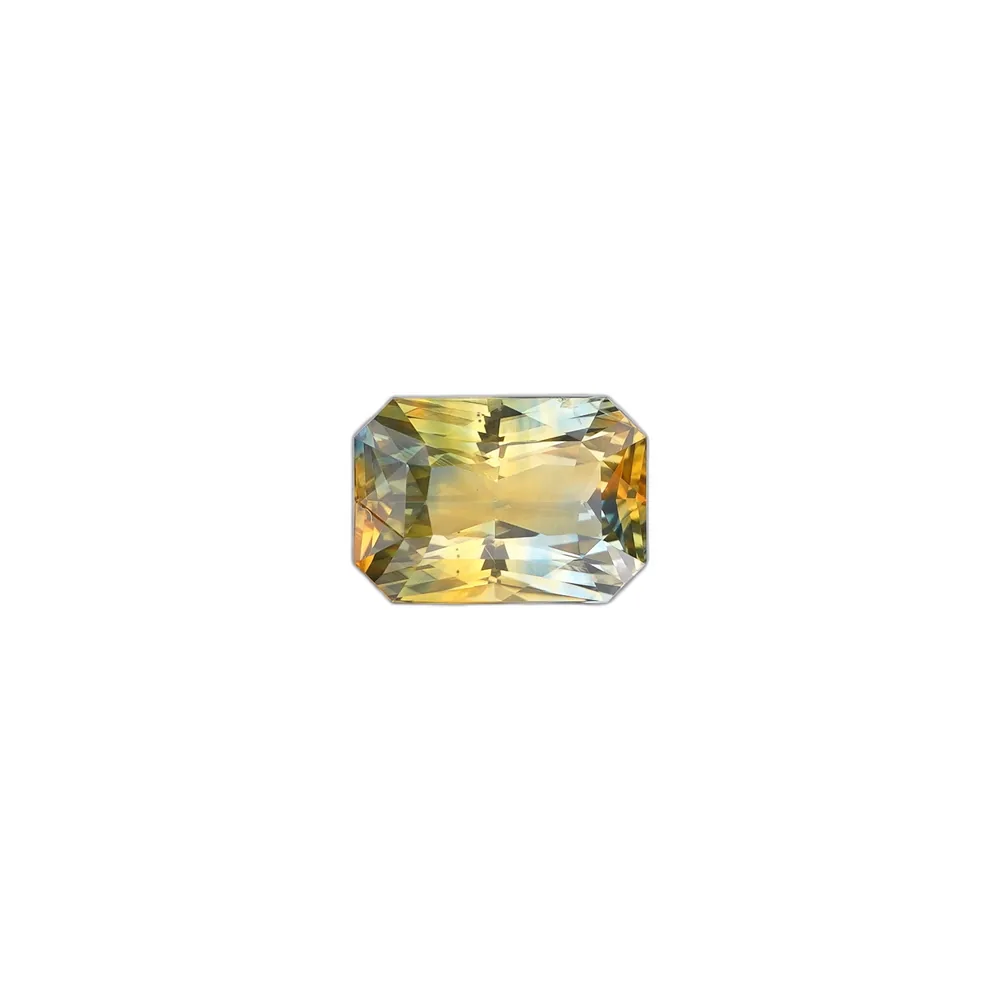
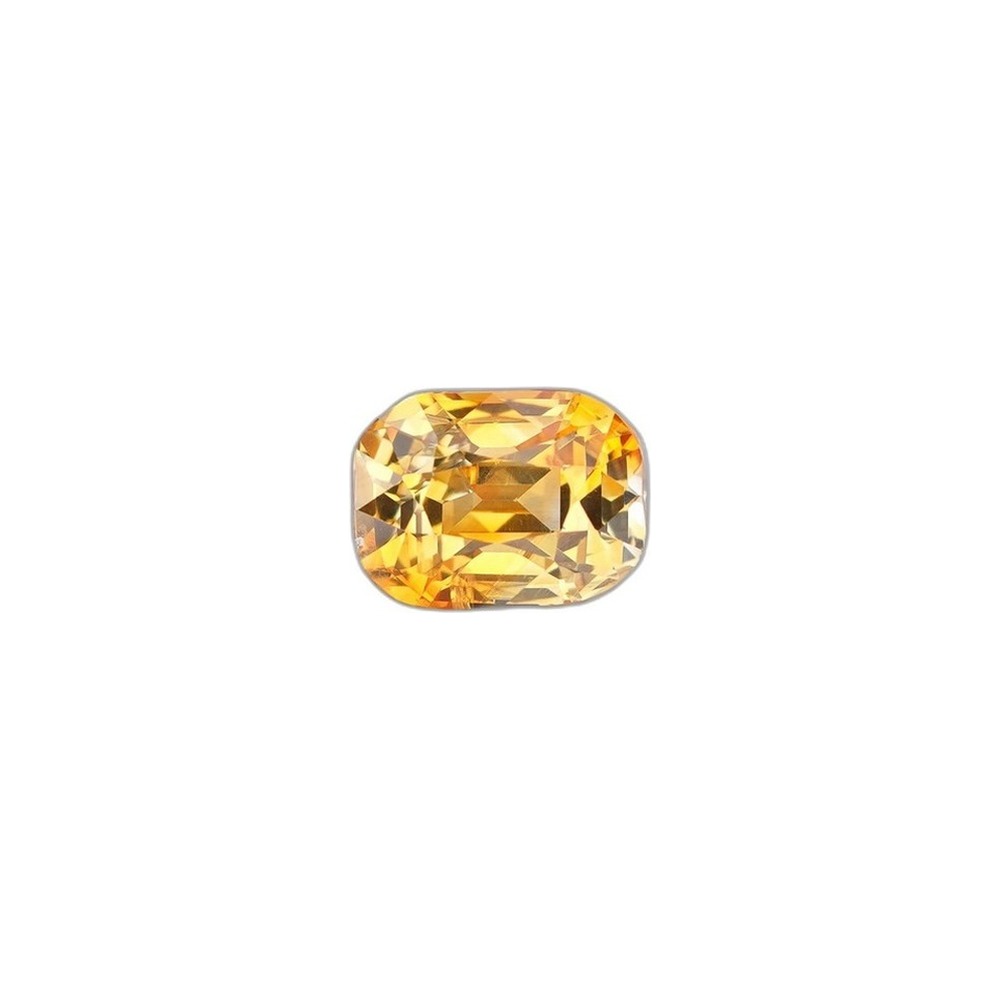
Color variety. Sapphires occur in virtually every color — blue, pink, yellow, white, green, orange (padparadscha), teal, and purple. This range allows personalization that diamond cannot offer. A pink Ceylon sapphire for a partner who finds blue too conventional; a vivid teal Australian sapphire for someone who appreciates the unusual; a classic cornflower blue Ceylon for the traditionalist.
Value. A 2-carat vivid blue Ceylon sapphire and a 2-carat colorless G/VS1 diamond are not in the same price universe. The sapphire might cost $8,000–$20,000; the diamond $15,000–$30,000. For many buyers, the difference in social signaling is minimal while the difference in visual impact (color vs colorless) strongly favors the sapphire.
BUDGET RANGES AND WHAT THEY BUY
CEYLON VS MADAGASCAR: THE KEY ORIGIN CHOICE
For engagement rings below $30,000, the practical choice is usually between Ceylon and Madagascar. Both produce excellent sapphires. Here is how to think about the choice:
Ceylon is the prestige origin with centuries of history. Ceylon sapphires command premiums (roughly 30–60% over comparable Madagascar stones) that reflect their provenance and collector recognition. If the stone's investment value matters to you over the long term — or if you want the most recognized origin for future resale — Ceylon is the right choice.
Madagascar produces excellent quality at lower prices. For buyers prioritizing color quality within a fixed budget, Madagascar can provide a larger, more vivid stone for the same money. The long-term investment value is lower, but for a ring primarily worn (not resold), Madagascar is entirely legitimate.
COLOR SELECTION FOR ENGAGEMENT RINGS
The classic engagement ring sapphire is medium to medium-dark blue. However,"classic" is just one option. Practical color guidance:
Avoid very dark stones. Sapphires that appear nearly black or very dark navy are inexpensive but lose their visual impact in typical indoor lighting. A stone should show its color from across a room, not just in direct sun.
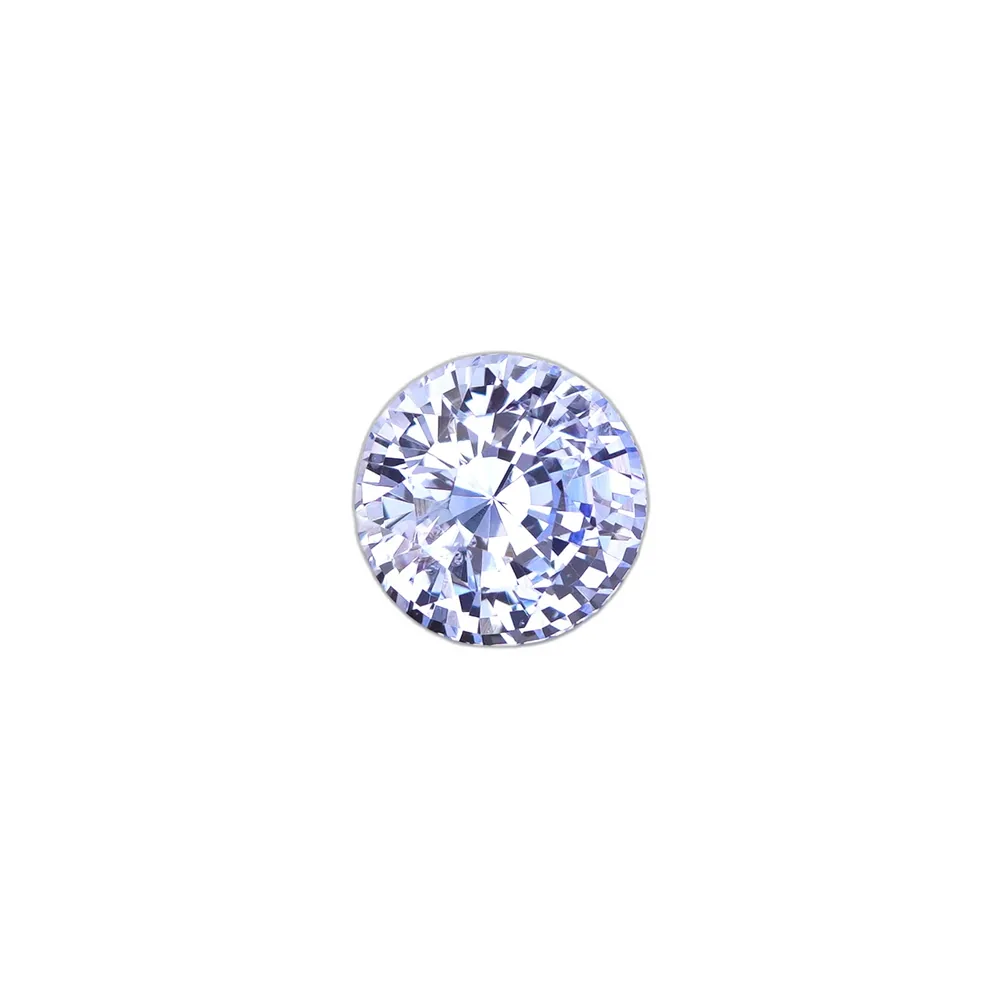
Avoid very pale stones. Light blue or lavender sapphires can be beautiful but appear washed out in many settings and do not photograph as impressively as medium-toned stones.
The sweet spot is medium to medium-dark vivid blue.This is the range that GRS calls "cornflower blue" to "royal blue" — it photographs well, looks beautiful in all lighting conditions, and retains the stone's investment value.
CERTIFICATION: WHAT YOU NEED
For engagement ring sapphires:
- —Above $5,000: GRS or GIA certification is strongly recommended
- —Above $15,000: GRS certification preferred, with origin explicitly stated
- —Above $40,000: GRS certification required, origin confirmed as Ceylon or premium origin
- —Any price: dealer representation about origin and treatment should be in writing
GIA certification is accepted by most buyers and is often sufficient for engagement ring purposes where resale investment value is not the primary concern. For buyers who may eventually sell or pass down the stone, GRS certification provides better long-term resale value in the specialist market.
SETTING STYLES FOR SAPPHIRES
Sapphires are less brittle than diamonds (they have no cleavage planes) but still require proper setting for daily wear protection. The most popular settings:
Prong setting maximizes light entry and shows the stone most fully. Use 4–6 prongs for security. Platinum or 18K white gold is ideal as it complements blue and provides durability.
Bezel setting provides maximum protection for the girdle — fully encasing the stone's edge. Slightly reduces brilliance but significantly reduces chip risk for daily wear.
Halo setting surrounds the sapphire with small diamonds, increasing visual size and creating contrast. Popular for medium-blue sapphires that benefit from the diamond frame.
Yellow gold pairs beautifully with vivid blue sapphires — the contrast creates a classic, warm look associated with Victorian and Edwardian jewelry. Many buyers choose yellow gold specifically for this pairing.
FREQUENTLY ASKED QUESTIONS
What budget should I plan for a sapphire engagement ring?
For a GRS-certified Ceylon blue sapphire of 1–2 carats in fine quality, budget $5,000–$20,000 for the stone alone. Commercial-quality heated Ceylon sapphires in the 1-carat range start from $1,500–$4,000. Madagascar sapphires offer comparable color at 20–40% lower prices than Ceylon for most quality tiers.
Is a sapphire engagement ring durable enough for daily wear?
Yes. Sapphire rates 9 on the Mohs hardness scale, second only to diamond (10). It is significantly harder than other popular engagement ring stones such as emerald (7.5–8) and tanzanite (6.5). With normal care, a sapphire will withstand decades of daily wear without significant scratching.
Should I choose a heated or unheated sapphire for an engagement ring?
For a jewelry-first purchase, a fine heated sapphire offers excellent value — the color is often identical to an unheated stone at 40–60% lower cost. If the ring also serves as an investment, prioritize unheated stones with a GRS "no indications of heating" certificate, which retain and appreciate in value unlike heated equivalents.
Does the setting affect the sapphire's investment value?
The setting has no bearing on the stone's investment value — the gem is always valued independently of its mount. For investment purposes, choose a setting that protects the stone while allowing it to be removed. Simple four or six-prong settings in platinum or 18k white gold are standard for investment-grade sapphire rings.
FIND YOUR SAPPHIRE
Browse certified Ceylon and Madagascar sapphires ideal for engagement rings. Every stone carries transparent origin and treatment disclosure, with full GRS documentation available on request.